
The Uttam brand: How a fighter pilot built one of Telangana politics’ most durable images
From the IAF to Telangana politics, N. Uttam Kumar Reddy has carefully built and protected a public image around discipline, probity and consistency.

THE POLITICAL BRAND | HDMS SPECIAL REPORT
By Shaik Ahmed Ali
HYDERABAD: In Indian politics, a leader can survive an election defeat, an allegation and sometimes even a scandal. What is harder to survive is losing control of the story people tell about him.
N. Uttam Kumar Reddy appears to have understood this better than most Telangana politicians.
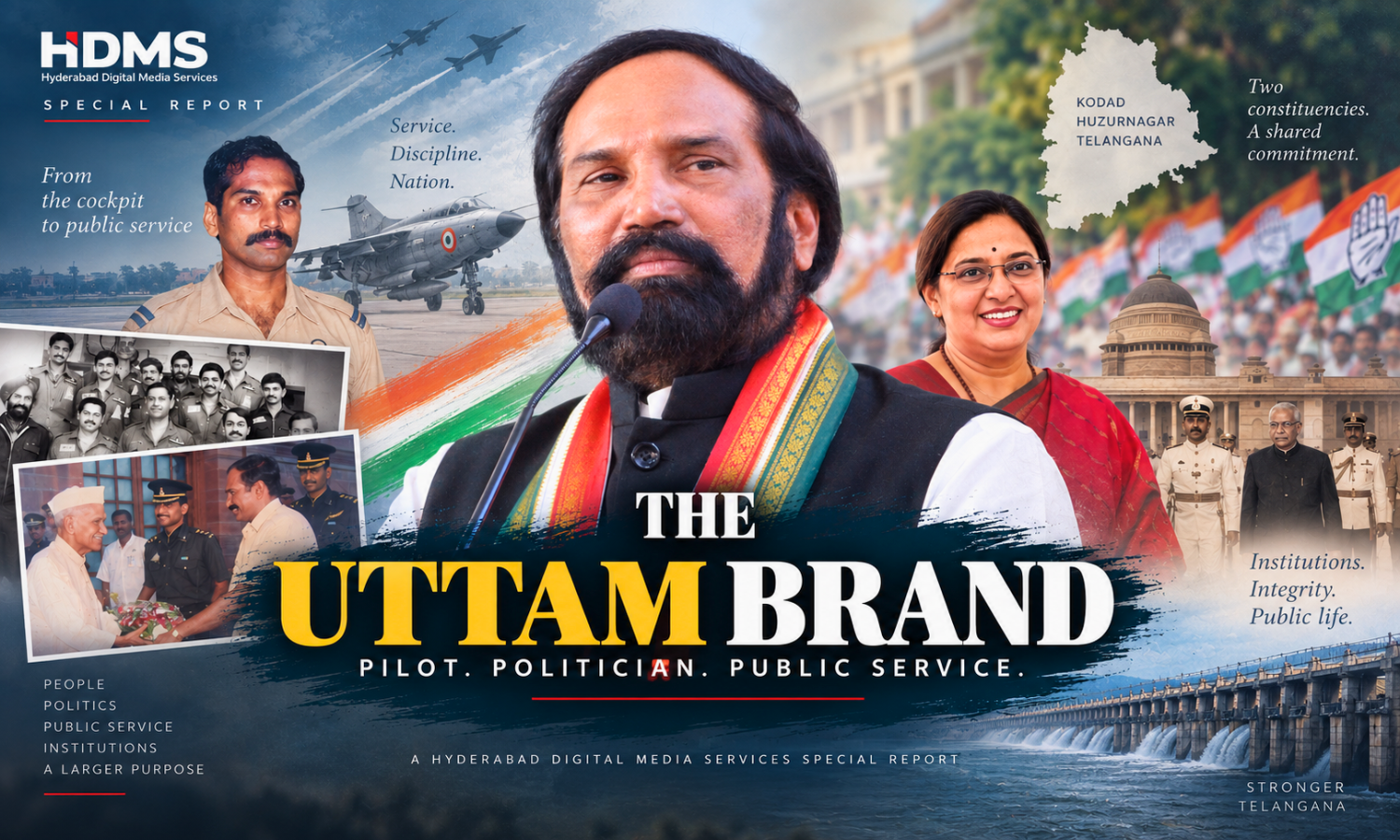
For more than three decades, the Irrigation and Civil Supplies Minister has presented a remarkably consistent version of himself: former Indian Air Force fighter pilot, presidential aide, disciplined administrator, successful politician and a leader relatively untouched by the personal controversies that have defined several of his contemporaries.
It is not simply an image created by publicity. His military background is real, his electoral record is formidable and his longevity is undeniable. But around those facts has grown a carefully maintained political brand, supported by a tightly managed media operation, controlled public communication and an unusual degree of personal distance from staff and associates.
The more interesting part is that the image has survived when it might not have.
Uttam has faced allegations relating to housing and grain procurement and, most dramatically, a controversy during the 2014 Assembly elections involving a vehicle associated with his family’s company and cash. He denied wrongdoing in these cases and described allegations against him as false or baseless.
Yet ask for a quick description of Uttam today and the old words are more likely to surface: pilot, disciplined, experienced, clean.
That durability is the real story of the Uttam brand.
Pilot, politician and the making of an image
Uttam’s biography gave him material that political consultants would struggle to manufacture.
Born in 1962, he trained at the National Defence Academy, joined the Indian Air Force and flew MiG-21 and MiG-23 aircraft. He later served in the presidential establishment during the tenures of R. Venkataraman and Shankar Dayal Sharma before leaving government service and entering politics through the Congress.
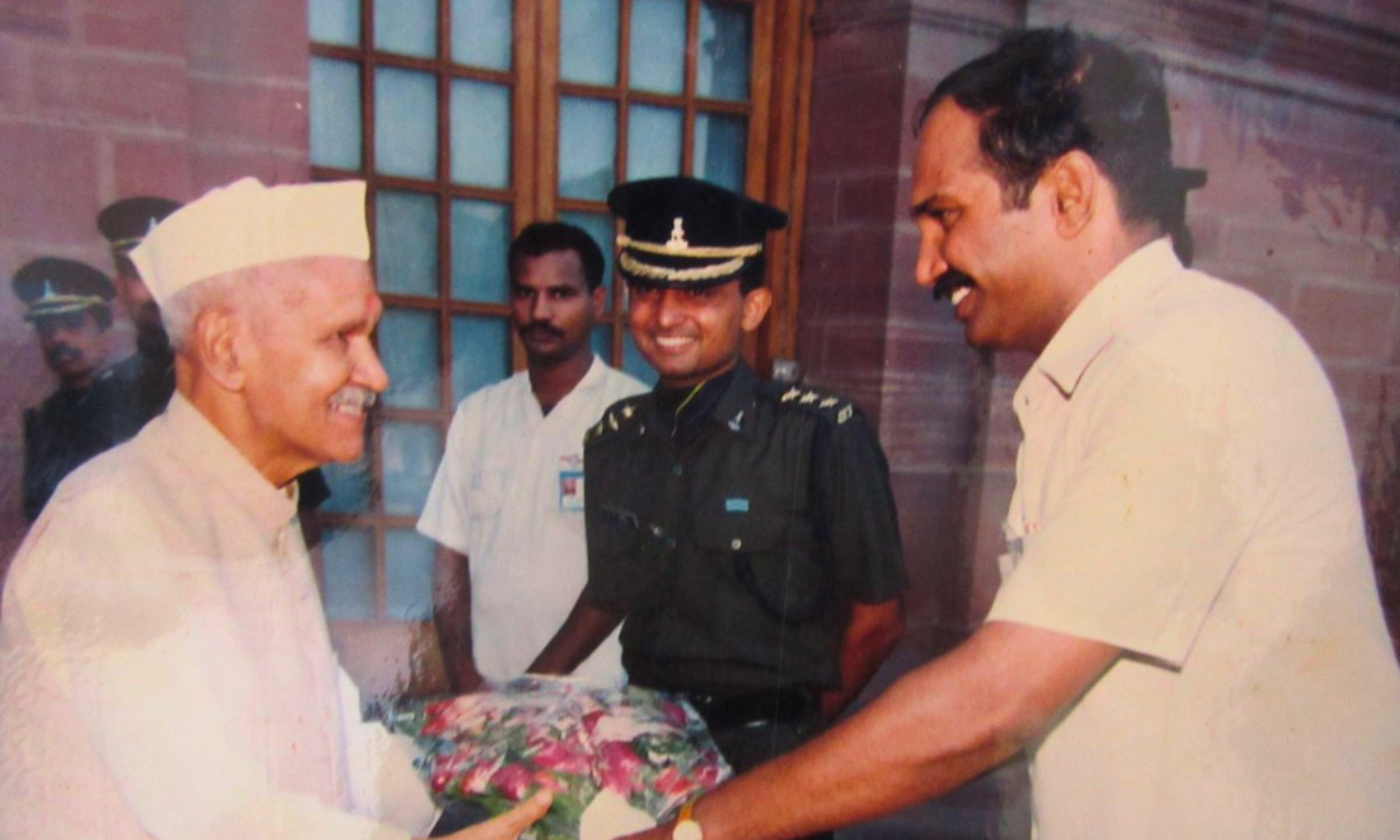
Pilot. Rashtrapati Bhavan. Voluntary retirement. Politics.
Three decades later, that remains essentially the order in which the Uttam story is told.
His first electoral experience was the exception to what followed. TDP’s Venepalli Chander Rao defeated him from Kodad in 1994 by 9,149 votes. Uttam won Kodad in 1999 and 2004, moved to Huzurnagar and won in 2009, 2014 and 2018. In 2019, he won the Nalgonda Lok Sabha constituency and resigned as MLA. He returned to Huzurnagar in 2023 and won by 44,888 votes.
He has served as a minister in undivided Andhra Pradesh, headed the Telangana Congress between 2015 and 2021 and, since December 2023, has handled Irrigation and Civil Supplies in the Revanth Reddy government.
His wife N. Padmavathi Reddy provides another dimension to this political geography. She won Kodad in 2014 and again in 2023. Today, Uttam represents Huzurnagar and Padmavathi represents neighbouring Kodad.
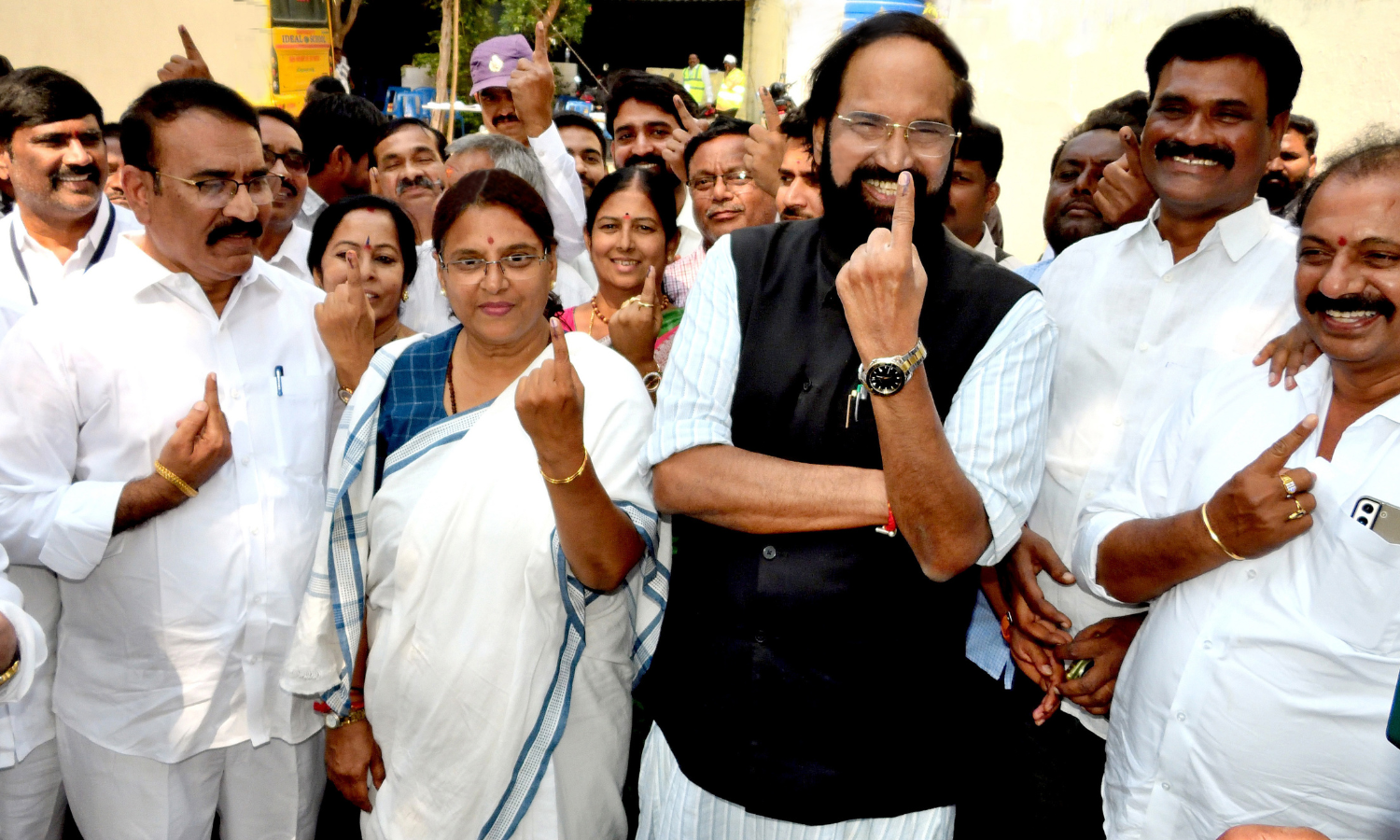
The couple have no children and have publicly spoken of the people of Kodad and Huzurnagar in familial terms. It gives their politics an unusual formulation: two neighbouring constituencies represented by a husband and wife, but without the conventional narrative of preparing the next generation for succession.
Even Uttam’s beard became part of the brand. After taking charge as TPCC president, he said in 2016 that he would not shave until the Congress came to power in Telangana. Congress lost the 2018 election, but the beard remained. By the time the party finally won in 2023, a personal grooming choice had spent years functioning as a visible political pledge.
The same instinct can be seen in his communication.
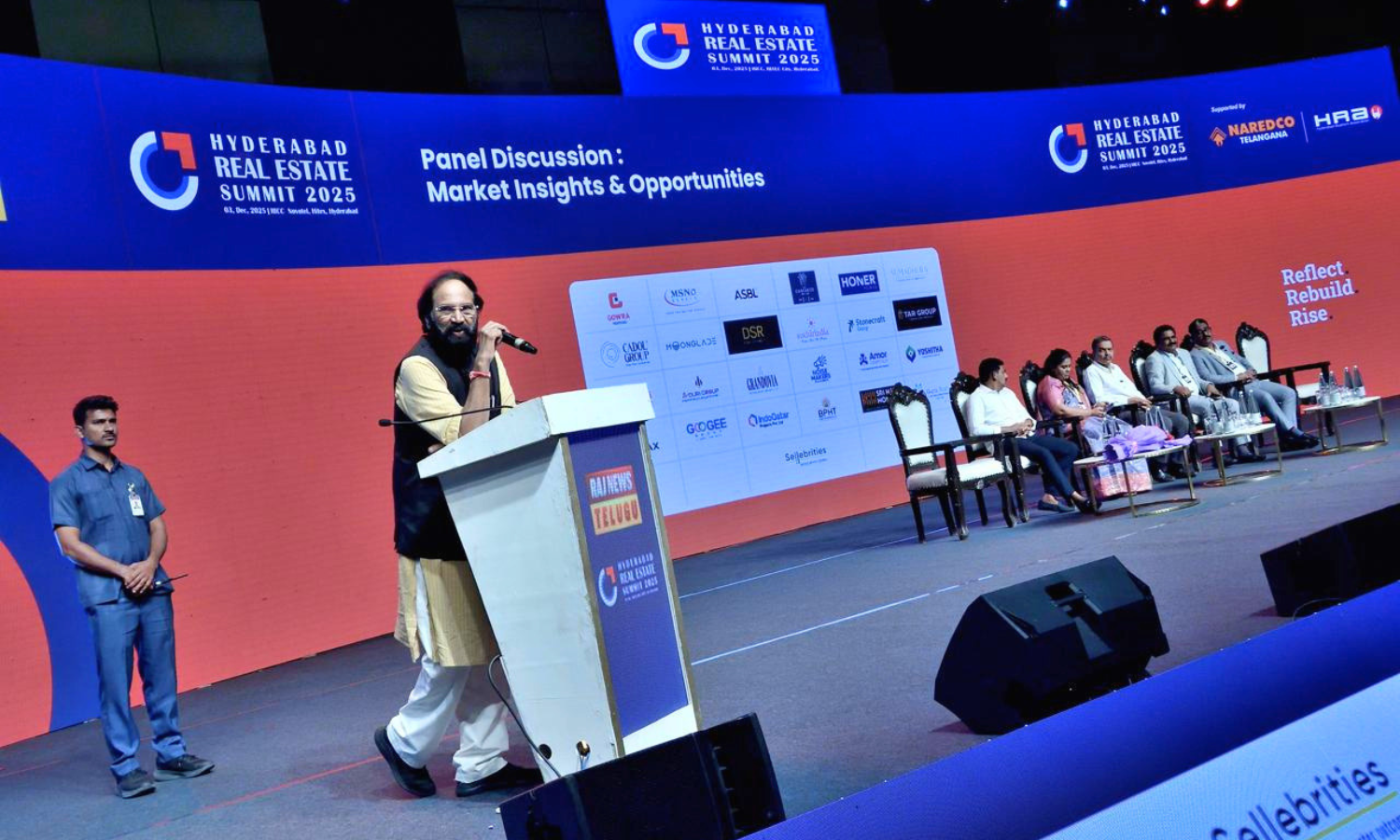
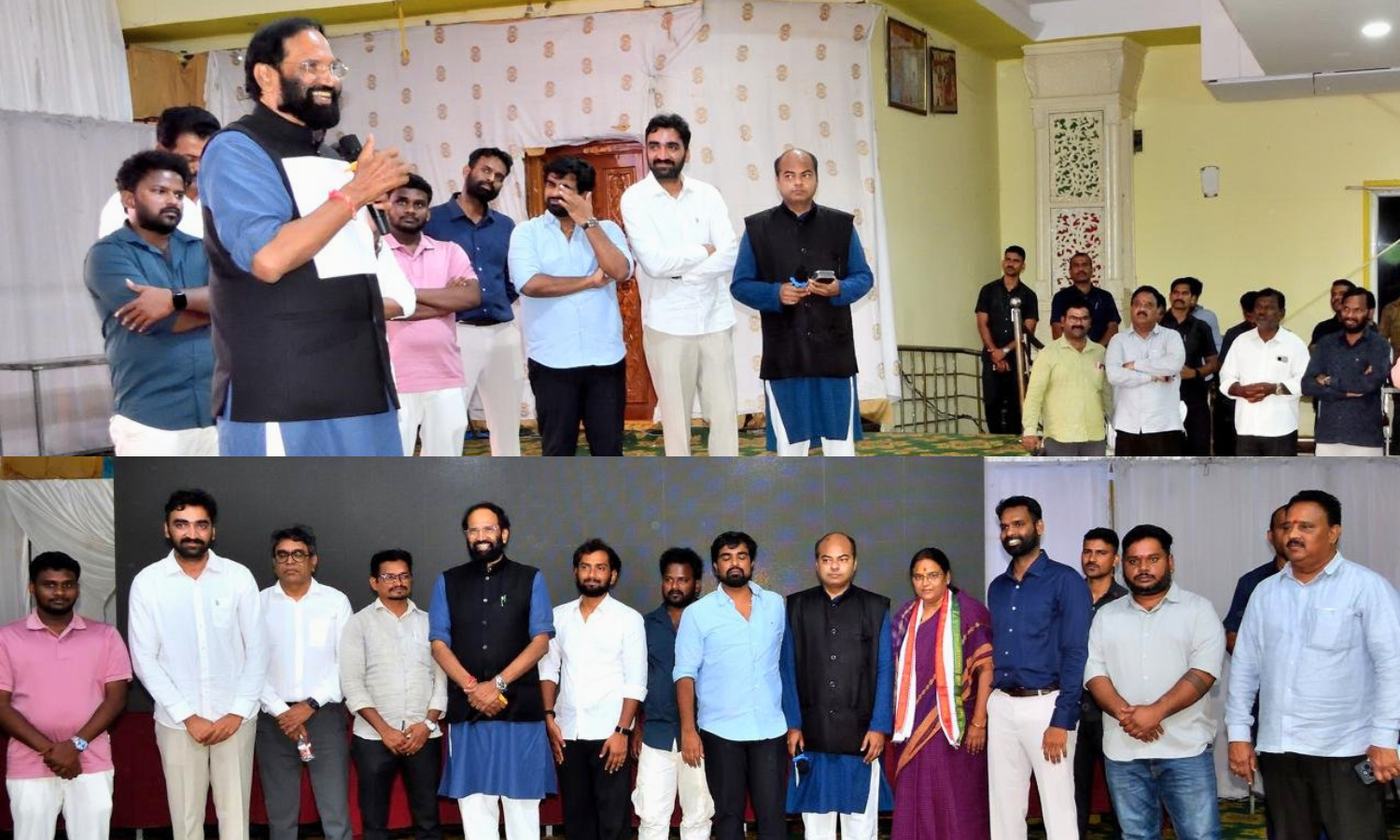
Uttam has long maintained a structured media operation, with professional photography, public relations support and carefully prepared material for the press and social media. His official photographs frequently carry the credit of a dedicated photographer. His tours, inspections and meetings generate selected photographs and organised communication rather than depending entirely on whatever image a reporter or local photographer happens to capture.
On September 13, 2026, Uttam and Padmavathi addressed “Social Media Warriors” from Kodad and Huzurnagar in the presence of professional trainers. It was political communication being organised at constituency level.
The principle is simple: get your version of the event into circulation before somebody else’s version becomes the event.
Uttam has been doing variations of that for years.
The controversies that failed to become the brand
The carefully maintained reputation has faced serious tests.
The most dramatic came during the 2014 Assembly elections.
On April 30, an Innova bearing an MLA sticker with Uttam’s name caught fire near Suryapet. Burnt currency was recovered from the vehicle, triggering reports and allegations that it had been carrying as much as Rs 2.5 crore. The vehicle was linked to Photon Energy Systems, a company associated with his family.
Police issued notices as the episode became an election controversy. Uttam denied that the money had anything to do with his campaign. His case was that the amount involved was around Rs 2 lakh and represented a business transaction involving the company. Proceedings were subsequently stayed by the High Court.
For a politician building an image around personal probity, the episode had the potential to leave a permanent mark.
It did not. Uttam won Huzurnagar that year, and the burnt-cash vehicle never became the defining description attached to him.
Other allegations followed.
As a former Housing Minister, Uttam faced political accusations over alleged irregularities in housing programmes during the Congress regime in undivided Andhra Pradesh. He rejected allegations against him.
In his present tenure, BRS leaders have accused the Civil Supplies Department of irregularities in paddy and fine-rice transactions. BRS working president K.T. Rama Rao alleged a scam of around Rs 1,100 crore involving tenders relating to paddy and fine rice. Uttam dismissed the allegations as baseless and defended the procurement and tender processes.
None of this establishes that Uttam’s career has been free of controversy. It establishes something more relevant to political branding: the controversies have not succeeded in replacing his established public identity.
There may also be another factor protecting that identity.
Unlike politicians surrounded by well-known groups of businessmen, fixers, friends and powerful personal aides, Uttam has rarely been publicly identified with such a circle. People who have worked around him describe his dealings with staff as formal and professional, sometimes to an unusual degree.
That produces sharply different assessments of the man.
Supporters can point to it as evidence that he does not allow friendship to become a route to government favours. Staff and associates know their boundaries, and few are believed to have enjoyed the kind of informal access that allows someone to invoke a minister’s name while pursuing personal business.
Some former associates offer the opposite interpretation. They describe him as highly self-centred, reluctant to acknowledge people who stood by him and unwilling to sustain relationships once their immediate political usefulness has passed.
The distinction matters because both descriptions could emerge from the same personality.
A politician who keeps friends at a distance may reduce the risk of being embarrassed by them. He may also end up with fewer friends.
Over a career spanning more than three decades, the number of people once associated with Uttam who subsequently moved away is significant enough to merit examination. Political relationships break for many reasons, and departure itself proves little. But the pattern raises an intriguing question about the difference between maintaining a reputation and building a political network.
The strength – and limit – of the Uttam method
That question became particularly relevant in December 2023.
When Congress won Telangana, Uttam was among the senior leaders whose names figured in discussions around the Chief Minister’s post. On paper, he had many of the qualifications: seniority, ministerial experience, a long electoral record, service as TPCC president and a relatively stable public image.
The Congress chose A. Revanth Reddy. Mallu Bhatti Vikramarka became Deputy Chief Minister.
It demonstrated the point at which political branding reaches its limit.
An individual image can help win elections and keep a politician relevant. Leadership contests inside political parties run on different currencies – organisational strength, legislative support, caste and social equations, relationships, factions and the judgement of the party leadership.
This is where the personal characteristics that protected Uttam’s brand become particularly interesting.
His disciplined distance from associates may have helped keep his personal image insulated from the conduct of people around him. His tightly managed communication has reduced the chances of an accidental photograph or careless statement becoming his public identity. His consistency has ensured that the fighter pilot of the 1990s remains recognisable in the Cabinet minister of 2026.
But high political office also requires something image management cannot manufacture: people.
Political camps are built by creating loyalties, accommodating competing interests, helping allies grow and giving others a stake in their leader’s advancement. A politician can have an impeccable personal brand and still lack the network another politician possesses.
Whether Uttam’s personal style has actually limited his organisational reach requires deeper reporting. But the question is worth examining because it exposes the central contradiction of his political career.
Perhaps Uttam has been better at building the Uttam brand than building the Uttam camp.
That would not necessarily represent failure.
Uttam headed the Congress through the disastrous 2018 election and survived politically. He was not selected as Chief Minister after the 2023 victory and still emerged with two major portfolios. He has faced political allegations without allowing any one of them to permanently redefine him. Since losing his first election in 1994, he has built an extraordinary record of electoral survival.
And today he and his wife represent adjoining constituencies.
Political branding did not make Uttam Kumar Reddy Chief Minister. It did something less dramatic but perhaps more durable: it ensured that after more than three decades, he remains relevant whenever Telangana Congress politics discusses experience, seniority and leadership.
Governments changed. Telangana was created. Congress declined and returned to power. Associates came and went. Controversies surfaced and faded.
The central image barely moved.
The fighter pilot got out of the aircraft long ago.
Politically, he has never stopped flying.