
Shabbir Ali challenges KTR’s drought claims, recalls BRS irrigation failures

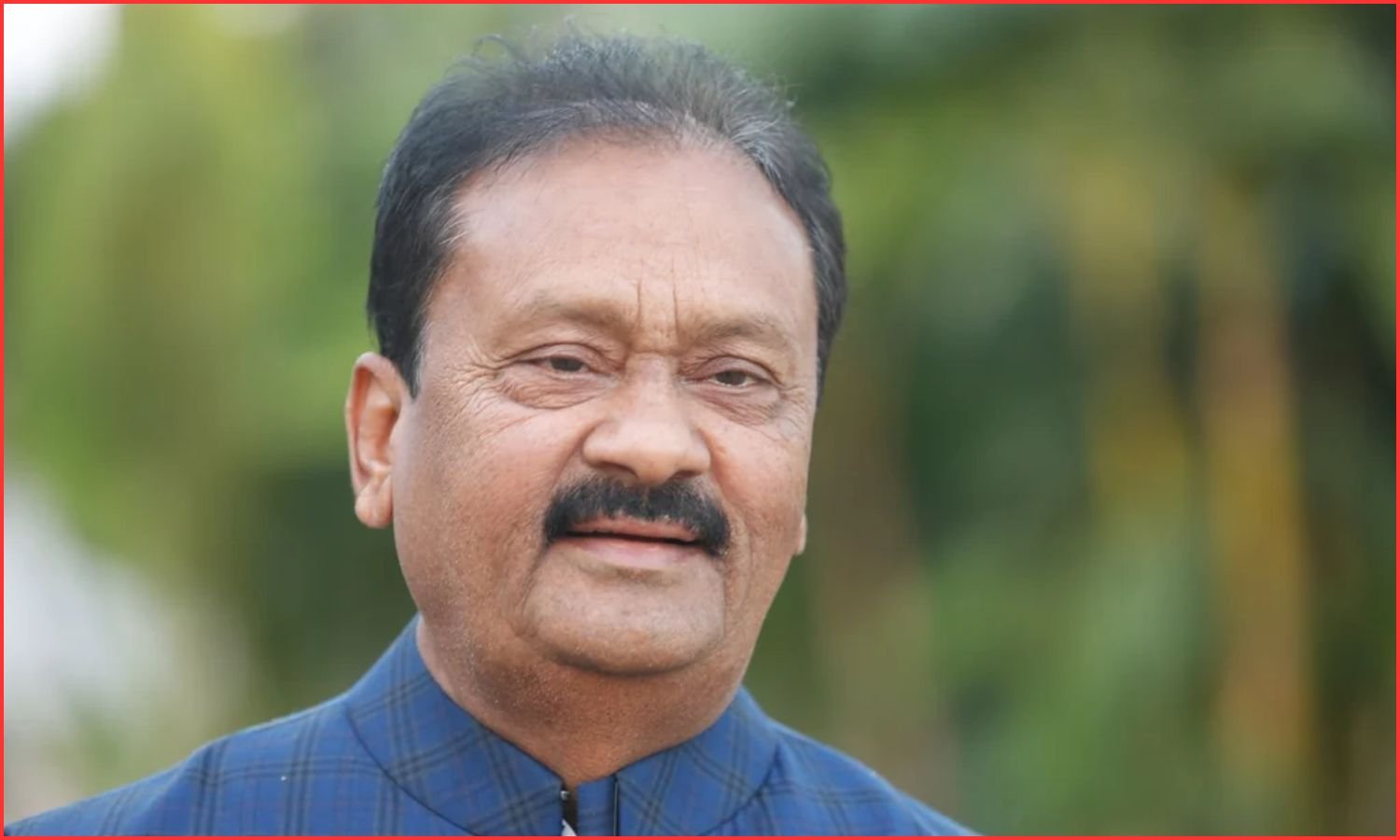
Hyderabad: Telangana Government Advisor Mohammed Ali Shabbir accused BRS working president K Tarakarama Rao of misleading farmers over the government’s drought response. He rejected KTR’s allegation that the Congress government had announced a crop holiday. Shabbir said officials had only advised farmers against water-intensive Rabi crops, particularly paddy, where irrigation was not assured.
He said farmers could lose money spent on seeds, fertilisers and labour if water supplies failed midway through cultivation. Therefore, the advisory aimed to prevent financial losses rather than stop farming. Shabbir was responding to KTR’s press conference on Thursday.
He recalled restrictions on the Nagarjunasagar left canal in 2023. The BRS government had also advised farmers to reduce paddy cultivation during years of low reservoir storage. Shabbir questioned why similar precautions now attracted criticism as anti-farmer measures.
Telangana drought response and questions over Kaleshwaram
Shabbir challenged KTR’s claim that the drought was man-made and water was being wasted. He pointed to the condition of the Kaleshwaram project, which the previous government had promoted as a major drought-prevention system.
He said the Medigadda, Annaram and Sundilla barrages faced restrictions imposed by the National Dam Safety Authority. Consequently, several pumps could not operate as originally planned.
According to Shabbir, much of the irrigation system remained incomplete, under safety review or unable to store the promised volumes. Major and medium reservoirs held around 180 TMC against their combined capacity of 585 TMC. He said rainfall alone did not explain the water shortage.
Shabbir accused the previous government of failing to complete canals and address structural problems despite years in power. He said the Congress government had inherited restricted barrages and unfinished works.
He also questioned delays in the Kalwakurthy, Nettempadu, Bhima, SLBC, Sita Rama, Pranahita-Chevella and Devadula projects despite substantial spending.
The advisor said officials were finalising rehabilitation designs under technical supervision. The government aimed to begin the works by December-end and complete them before the next monsoon.
Shabbir compares drought relief measures under BRS and Congress
Turning to drought relief, Shabbir recalled the BRS government’s response in 2015. It had declared 231 mandals drought-hit in November, after the monsoon season. The government subsequently sought National Disaster Response Fund assistance. Around Rs 791 crore was sanctioned, he said.
He also cited measures taken at the time, including water tankers, private borewells, additional MGNREGA employment and livestock support.
In comparison, the Congress government notified 365 drought-affected mandals across 31 districts on October 27. The list included 111 severely affected and 254 moderately affected mandals. This followed a 17 per cent deficit in southwest monsoon rainfall.
Shabbir questioned why KTR dismissed the current relief measures as an eyewash. He said the BRS government had also sought central assistance and introduced emergency measures during the 2015 drought.
He said the Assembly had unanimously sought a central assessment and NDRF assistance in September. It had also sought additional employment days, extra power supply and a special package of Rs 20,000 crore.
The Congress government had formed an El Niño Cabinet sub-committee. In addition, it allotted Rs 1 crore in emergency funds to each District Collector and held an all-party meeting on October 28.
Chief Minister A Revanth Reddy had prioritised drinking water, Shabbir said. He had warned that water stress could continue for eight to ten months. The government had also planned an employment programme from after Sankranti until May.
Shabbir said the government was ready to seek central assistance through an all-party delegation if required. He maintained that the Telangana drought response included measures for farmers, drinking water and rural employment.
Compensation, power supply and Hyderabad water arrangements
Responding to KTR’s demand for Rs 60,000 compensation per acre, Shabbir said investment support continued. Eligible farmers would receive drought input subsidies through the established NDRF and direct benefit transfer process after funds arrived.
Meanwhile, District Collectors had received instructions to address drinking-water shortages, fodder availability and employment needs.
Shabbir also rejected allegations of a power holiday. He said agricultural power supply continued even when demand approached 20,000 MW. Telangana had around 30 lakh agricultural pump sets, many of which faced problems due to falling groundwater levels. He said dry borewells could not automatically be attributed to power cuts.
On reduced water-supply frequency in Hyderabad and rising tanker bookings, Shabbir cited the priority given to drinking water. He also referred to treated wastewater reuse and directions to operate sewage treatment plants at full capacity.
He recalled that the BRS government had also depended on tankers and temporary borewells during the 2015-16 drought and in subsequent years.