

Hyderabad: The Telangana government sanctioned ₹200 crore for a Kamareddy residential school that would bring SC, ST, BC/OBC and minority students onto an integrated campus.
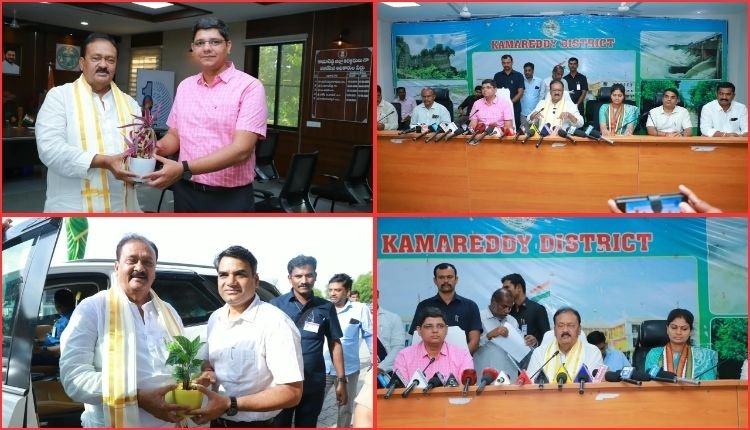
Government Advisor Mohammed Ali Shabbir announced the sanction at a press conference at the Kamareddy District Collectorate on Tuesday. District Collector Ashish Sangwan was present when Shabbir detailed the Young India Integrated Residential School project.
The proposed institution would provide education from Class V to Intermediate. It would also offer modern academic, residential and sports infrastructure. The Telangana School Education (Training) Department issued the administrative sanction through G.O.Rt.No.145 on August 4, 2026.
The order sanctioned ₹200 crore for the YIIRS complex in the Kamareddy Assembly constituency. It also directed the Managing Director of TGEWIDC, Hyderabad, to take necessary action. Shabbir thanked Chief Minister A. Revanth Reddy on behalf of Kamareddy residents for approving the project.
Kamareddy residential school to integrate communities
Shabbir said the Young India Integrated Residential School model aimed to bring students from different social backgrounds together. Separate blocks would accommodate students belonging to SC, ST, BC/OBC and minority communities. However, students would share common educational and recreational facilities.
According to Shabbir, the model aimed to promote social and national integration from the school level. Students would use common playgrounds and sports infrastructure. Facilities would support cricket, volleyball, basketball and martial arts, among other activities.
The shared campus would allow students from different backgrounds to interact both inside and outside classrooms, he said. The Kamareddy residential school would also include modern classrooms, laboratories and a library. Additionally, students would receive residential accommodation, meals and other essential campus facilities.
Shabbir said the government wanted poor and meritorious students to receive quality education regardless of their families’ economic circumstances.
“The government’s aim is to create an environment where students from economically and socially weaker sections get educational opportunities and facilities comparable with the best institutions,” he said.
Kamareddy residential school part of education investment
Shabbir said the Congress government had made significant investments in education, particularly in government schools, residential institutions and hostels. The government had also focused on modernising educational institutions. Its measures included infrastructure development, digital education, laboratories and improved school buildings.
According to Shabbir, better facilities and greater attention to education quality had increased interest in government schools. He also cited breakfast and other support provided to schoolchildren.
The government’s wider objective was to prevent children from dropping out because of inadequate facilities or an inability to afford education, he said. Shabbir described the ₹200-crore Kamareddy residential school as part of efforts to develop the constituency into an educational hub.
He said Kamareddy had a long association with educational development and specialised institutions. Over the years, institutions and courses in dairy technology, fisheries, forestry, commerce and other disciplines had contributed to the region’s educational profile.
The new integrated residential school would add another major institution and create opportunities for generations of students from disadvantaged families, he said.
Shabbir says project required substantial land
Shabbir said he had raised Kamareddy’s requirement for an integrated residential school with Chief Minister Revanth Reddy. He added that he had continued pursuing the proposal with the state government until its sanction.
The project required substantial land because the campus would contain academic buildings and residential blocks. It would also need playgrounds and several common facilities. Shabbir appreciated the district administration and Education Department for helping take the proposal forward.
He said adequate land availability remained important for implementing the integrated campus concept. The advisor thanked Collector Ashish Sangwan and officials from the education and other departments for facilitating and processing the proposal.
Kamareddy residential school aims to expand opportunities
Shabbir described Young India Integrated Residential Schools as a new approach combining educational infrastructure with social integration. Bringing SC, ST, BC/OBC and minority students onto one campus would encourage greater interaction among different sections, he said.
At the same time, appropriate residential blocks and shared academic and recreational facilities would support the students. Shabbir said the institution would help talented students from poor families prepare for higher education and competitive opportunities.
Their financial background should not restrict their educational prospects, he added. “Kamareddy’s students should have access to the best possible educational opportunities. The Rs 200-crore integrated residential school is an important step in that direction,” Shabbir said.
He expressed confidence that authorities would take the project forward expeditiously. The state government, district administration, School Education Department and implementing agencies would coordinate the project, he said.
Municipal Chairperson Uma Srinivas and former DCC president Kailas Srinivas Rao attended the press conference. Congress Town president Aireni Sandeep Kumar and District Library Chairman Maddi Chandrakanth Reddy were also present.
Congress State General Secretary Baddam Indrakaran Reddy, mandal Congress presidents and AMC and market committee chairpersons also attended. Councillors, party leaders and workers were among the others present.