
PESA Act key to tribal self-governance and rights protection, says Seethakka

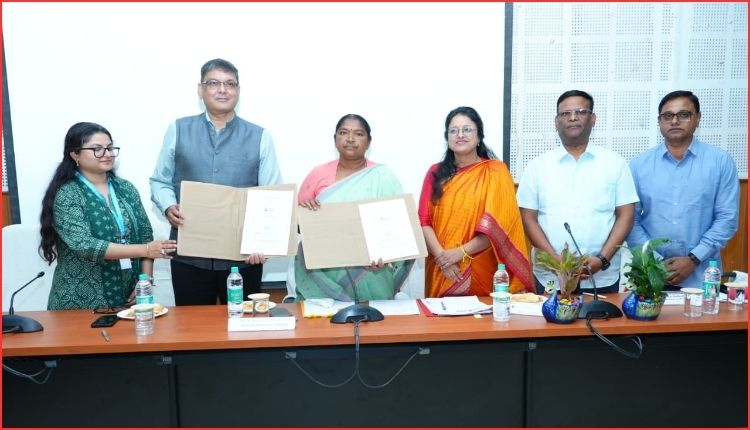
Hyderabad: Panchayat Raj, Rural Development, Women and Child Welfare Minister Dr. Danasari Anasuya Seethakka said PESA Act implementation was crucial for protecting tribal rights, strengthening Gram Sabhas and promoting self-governance in Scheduled Areas.
The minister inaugurated a two-day state-level workshop on the role of the Panchayats Extension to Scheduled Areas (PESA) Act in strengthening Panchayat Raj institutions in Scheduled-V Areas at the Telangana Institute of Rural Development (TGIRD) in Rajendranagar on Tuesday.
The workshop, being held on June 10 and 11, brought together sarpanches, panchayat secretaries, MPDOs, Panchayat Raj officials, PESA mobilisers, coordinators, representatives of voluntary organisations and experts.
Seethakka said the programme aimed to improve awareness and understanding of the law among officials, elected representatives and stakeholders involved in its implementation.
PESA Act implementation protects tribal rights
The minister said the PESA Act was not merely a law but a constitutional safeguard for tribal self-respect, self-determination and rights over natural resources.
She stated that villages formed the backbone of the country and that the development of tribal regions depended on strong and empowered Gram Sabhas.
According to Seethakka, the Act grants decision-making powers to Gram Sabhas over land, forests, water resources and mineral wealth in Scheduled Areas.
However, she said several challenges continued to affect PESA Act implementation despite the legal protections available.
The minister expressed concern that illegal activities continued in some regions and that natural resources were being transferred to corporate entities without adequately considering local people’s views.
“Large organisations cannot displace people under the spirit of the PESA Act. The real question is how many people are aware of these rights. Officials must fully understand the law they implement,” she said.
She added that justice for tribal communities would be possible only when authorities implemented the law in its true spirit.
PESA Act implementation strengthens Gram Sabhas
Seethakka said the Act enabled sarpanches to play a greater role in village development decisions.
She described Gram Sabhas as the foundation of local democracy and stressed the need to strengthen them further.
The minister said her background in social movements and her experience growing up in tribal regions gave her a deeper understanding of tribal issues.
She said protecting tribal rights remained a personal responsibility and added that leading the Panchayat Raj Department was a matter of pride.
Recalling her association with organisations working for tribal welfare, Seethakka said such experiences shaped her commitment to public service.
She said public representatives must work for disadvantaged sections of society and focus on improving the lives of the poor.
The minister also highlighted the contrast between urban development and conditions in remote tribal villages.
She noted that many tribal areas still lacked basic infrastructure while natural resources continued to decline.
Therefore, she stressed that strengthening village panchayats and Gram Sabhas had become increasingly important.
PESA Act implementation supported by digital governance
Seethakka urged workshop participants to freely share their experiences, suggestions and concerns.
She expressed confidence that the discussions would help identify solutions to challenges affecting PESA Act implementation and contribute to stronger policies for tribal welfare.
The minister also highlighted the “Sarpanch Samvad” digital platform developed by the Panchayat Raj Department.
She said the platform enabled around 4,500 sarpanches across Telangana to exchange best practices and discuss solutions to common problems.
According to Seethakka, the application had received recognition at the national level.
She said the government was using technology to make rural governance more efficient and responsive.
The minister called for the effective implementation of the PESA Act at the grassroots level.
She said the law should bring tangible changes to people’s lives and strengthen tribal self-governance by respecting the decisions of Gram Sabhas.