

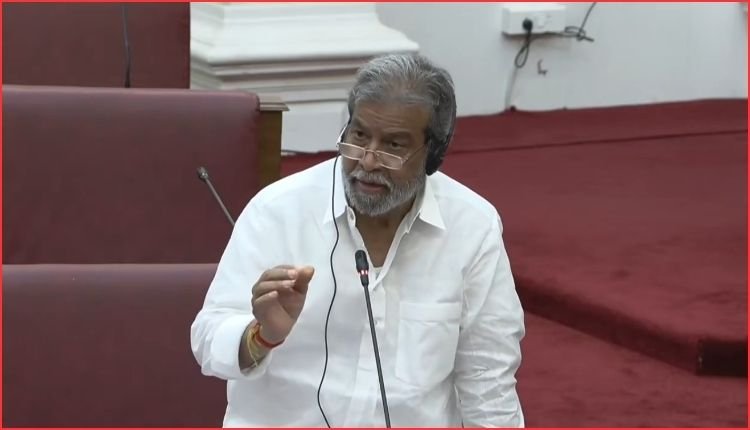
Hyderabad: The Telangana government will expand Telangana hospital diagnostics by procuring nine 3-Tesla MRI machines, eight CT scanners and 485 additional ventilators. Health Minister Damodar Rajanarsimha announced the procurement in the Legislative Council on Thursday while responding to questions raised by MLCs.
He said the government was strengthening high-end diagnostic and critical care infrastructure across State-run hospitals. Government hospitals currently had nine MRI machines, 50 CT scanners and 1,770 ventilators, according to the Minister.
The latest procurement would add nine advanced 3-Tesla MRI machines to the existing diagnostic infrastructure. In addition, the government planned to install eight more CT scanners. It would also procure 485 ventilators for facilities facing high patient demand.
Telangana hospital diagnostics to expand to more districts
Rajanarsimha said MRI services were already available at several major government healthcare institutions. These included Gandhi Hospital, Osmania General Hospital, NIMS, MGM Hospital in Warangal and RIMS in Adilabad.
TIMS and MNJ Cancer Hospital also had MRI services, he said. The government planned to extend MRI facilities to Government General Hospitals in Nizamabad, Siddipet, Suryapet, Nalgonda and Mahabubnagar.
Niloufer Hospital would also receive an MRI facility under the expansion programme. The additions would broaden access to advanced imaging services across the government healthcare network.
Meanwhile, the government identified increased patient footfall at major Hyderabad hospitals as another reason for expanding diagnostic capacity. Rajanarsimha said Gandhi Hospital and Osmania General Hospital had recorded higher patient footfall following improvements in service standards.
Therefore, both hospitals would receive additional MRI machines to manage the increased number of patients. The Minister also outlined the government’s system for maintaining diagnostic and critical care equipment.
He said the Health Department was using the web-based e-Upakarn system to support the continuous operation of critical medical infrastructure. The system monitored equipment procurement, supply-chain logistics and maintenance.
Rajanarsimha said the monitoring mechanism was intended to ensure that critical equipment remained operational across government healthcare facilities. The planned procurement of MRI machines, CT scanners and ventilators formed part of the government’s expansion of diagnostic and critical care capacity.
Telangana hospital diagnostics backed by equipment monitoring
The nine new MRI machines would double the number available across government hospitals from the existing nine. Similarly, the eight additional CT scanners would supplement the 50 machines already operating in the public healthcare system.
The procurement of 485 ventilators would add to the existing fleet of 1,770 ventilators. The government planned to deploy the additional ventilators at facilities facing higher demand, Rajanarsimha told the Council.
At the same time, the e-Upakarn platform would track equipment from procurement and supply through maintenance. The Minister said the government was focusing on both expanding medical equipment and keeping existing critical infrastructure operational.