
Godavari water release: 734 TMC flows downstream amid Telangana irrigation concerns

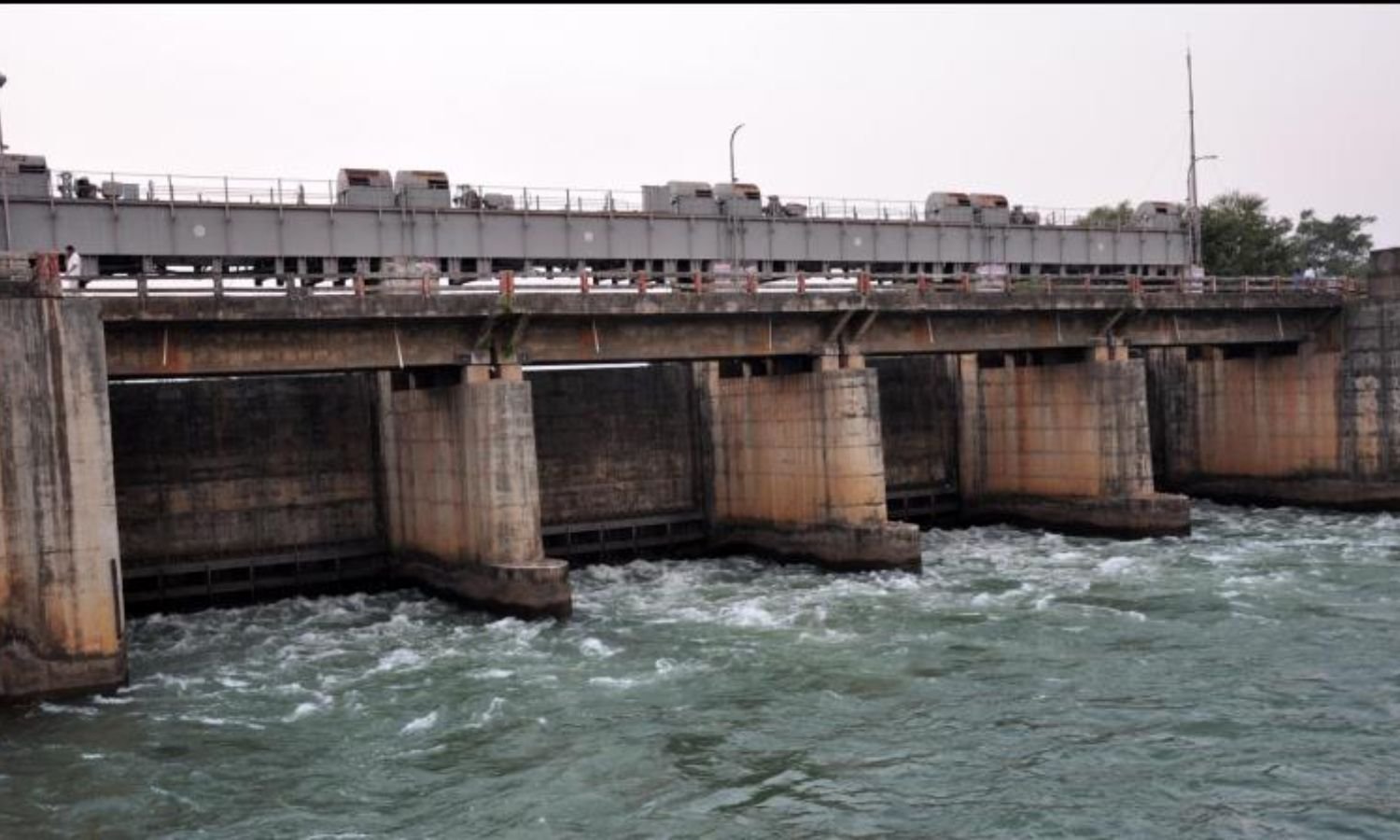
Hyderabad: The release of 734 TMC of Godavari water downstream over three and a half months has triggered criticism of Telangana’s irrigation management. The opposition BRS accused the Congress government of neglecting water-lifting operations and failing to safeguard farmers’ irrigation needs.
According to the BRS, the government allowed large volumes of water to flow downstream through Medigadda without adequate planning. The criticism intensified after officials discussed possible restrictions on Yasangi cultivation amid concerns over drought-like conditions.
The BRS claimed that about 350 TMC flowed downstream through Medigadda in August alone. It also cited the release of 17.69 TMC from Yellampally, alleging that the government failed to make effective use of the available Godavari water.
The controversy has also centred on the Kaleshwaram project and the government’s handling of its barrages. Critics alleged that political considerations influenced decisions on lifting water despite concerns over drinking water supplies and irrigation requirements.
The BRS maintained that operating the pumps and diverting water earlier could have reduced the risk of shortages. It argued that the government should have taken preventive measures after warnings over El Niño and the possibility of drought.
The opposition also cited the continuing downstream flow of about 23,000 cusecs at Medigadda as evidence that water was still available. It said the flow raised questions over the timing of water-lifting operations and the proposed restrictions on farmers.
Chief Minister A. Revanth Reddy had warned about the severity of the water situation during a review meeting on October 15. He said the Krishna and Godavari projects had dried up, reservoir levels were low and providing irrigation water had become difficult.
The Chief Minister also urged farmers and the public to conserve water. However, the opposition argued that the government issued these warnings only after allowing substantial quantities of water to flow downstream.
The dispute has brought the government’s irrigation planning under scrutiny. Critics said the administration should have factored in drinking water needs, agricultural requirements and drought warnings while deciding how to manage the available water.
Godavari water release raises questions over barrage repairs
The controversy has also brought renewed focus on structural assessments of the Medigadda, Annaram and Sundilla barrages. Tests conducted by the Central Water and Power Research Station reportedly found the piers of the Annaram and Sundilla barrages to be safe, with no major construction-quality defects detected.
Reports also indicated that the authorities were considering comprehensive renovation of the three barrages. The estimated cost was said to range between Rs 2,100 crore and Rs 2,500 crore.
The Irrigation Department reportedly planned to begin permanent repair works in the second week of November and aimed to complete them before the 2027 monsoon.
Critics, however, questioned why the government had not initiated the measures earlier. The BRS and retired engineers had reportedly advocated repairing minor defects and restoring the Kaleshwaram project to operational use.
The opposition accused the Congress government of ignoring those suggestions and allowing the irrigation crisis to worsen. It also alleged that the administration was now citing El Niño and drought concerns to justify restrictions on Yasangi cultivation.
The BRS argued that timely use of the Kaleshwaram system could have improved water availability for agriculture. The government’s proposed restrictions on Yasangi cultivation and its plans for repairing the barrages remain at the centre of the continuing political dispute.