
Bhatti: Telangana prepares El Niño action plan to protect agriculture, water and power

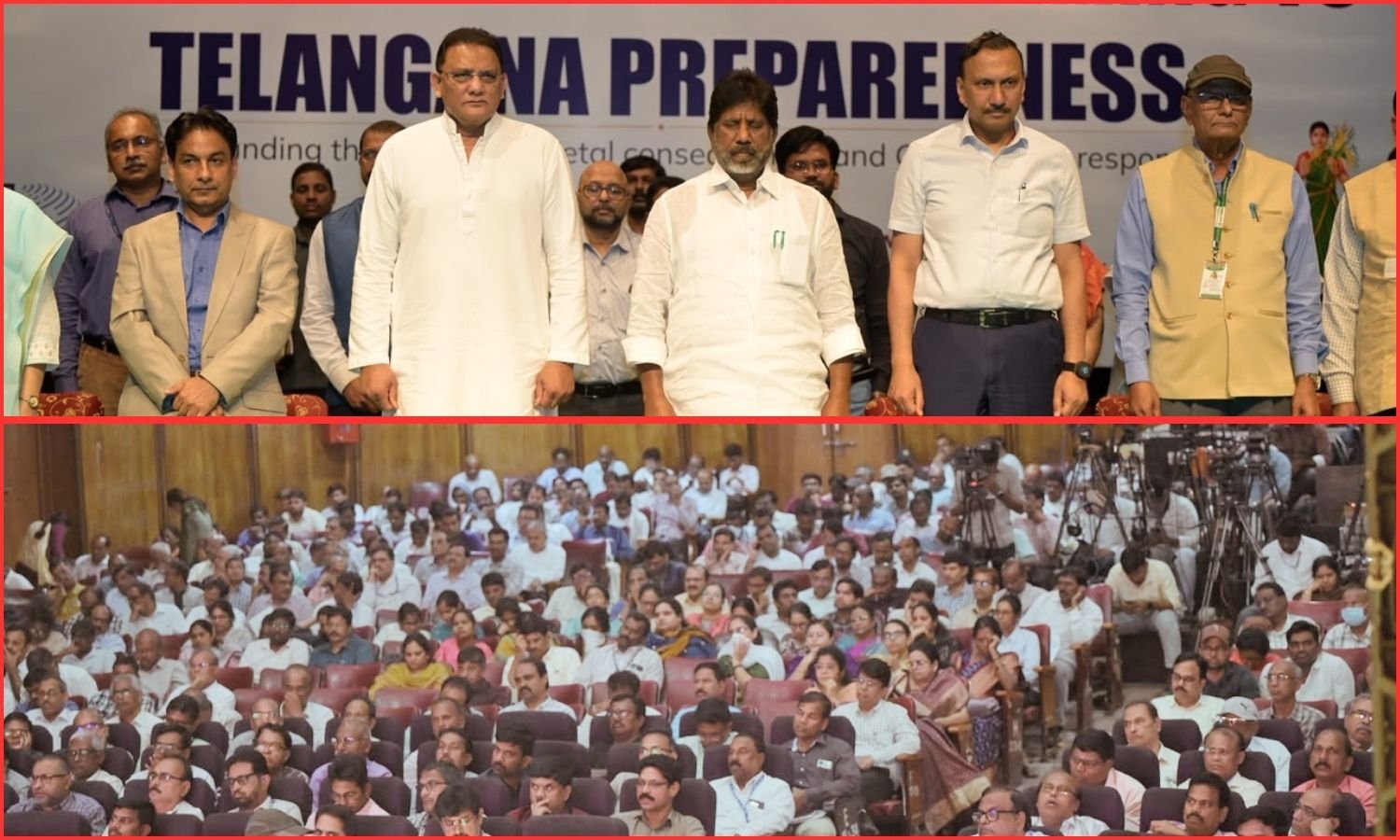
Hyderabad: Deputy Chief Minister Bhatti Vikramarka on Tuesday said the Telangana government was preparing a comprehensive Telangana El Niño action plan to minimise the impact of global climatic changes on agriculture, drinking water supply and the power sector.
Bhatti made the announcement while addressing the State-level awareness seminar, *From Pacific Ocean Warming to Telangana Preparedness*, organised by the Planning Department at Ravindra Bharathi. Minister Mohammed Azharuddin also attended the programme.
The Deputy Chief Minister said the government aimed to combine scientific planning with public awareness so that people understood the likely impact of El Niño well in advance. He said better awareness would help families and villages prepare for changing weather conditions.
Telangana El Niño preparedness centres on climate resilience
Bhatti said researchers were studying how temperature changes in the equatorial Pacific Ocean affected rainfall patterns, tanks, streams and villages in Telangana. Based on those scientific assessments, the government was preparing measures to reduce the impact of adverse climatic conditions.
He said officials were drawing up advance plans to ensure adequate drinking water and irrigation supplies across the state. The strategy also included measures to safeguard the food and water needs of livestock, birds and wildlife during drought-like conditions.
The Deputy Chief Minister said the seminar sought to build awareness at the individual, family, village, mandal and district levels. He added that wider public participation would strengthen the state’s preparedness against climate-related challenges.
To protect farmers from financial losses, the government was encouraging cultivation of alternative crops that required less water. Experts recommended those cropping patterns after analysing possible weather conditions, he said.
Bhatti also said the government expected Telangana El Niño conditions to increase electricity demand. He said authorities were strengthening energy management systems to meet higher consumption during extreme weather.
He added that the state would maximise the use of low-cost solar power during the daytime to reduce expenditure. Thermal power generation would then support demand during other hours, helping maintain grid stability and ensure uninterrupted electricity supply.