

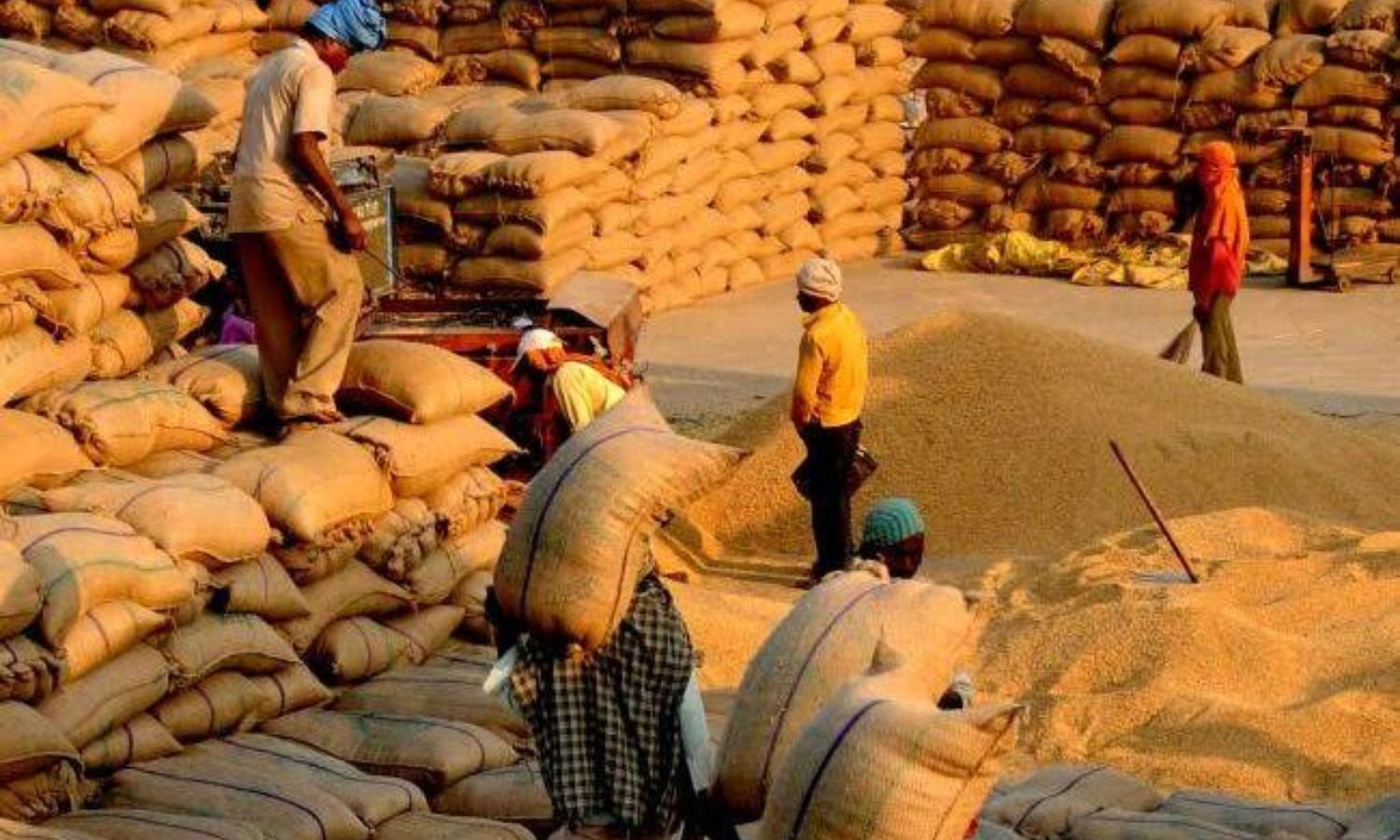
Hyderabad: The Telangana Civil Supplies Department has activated statewide arrangements for Kharif paddy procurement for the 2026-27 season. Officials expect around 65 lakh metric tonnes (LMT) of paddy to arrive for procurement.
The department is preparing to begin procurement operations from the first week of October. It is implementing a comprehensive Storage, Hamali and Transport (SHT) strategy to support operations across the State.
The three-pronged strategy seeks to address supply-chain gaps and ensure timely lifting of procured paddy. It also aims to prevent logistical delays that could cause difficulties for farmers.
Civil Supplies Commissioner M. Stephen Raveendra conducted district-wise review meetings at the department’s head office as part of the preparations. The meetings assessed storage readiness and other ground-level arrangements.
Telangana State Warehousing Corporation (TGSWC) Managing Director Korra Lakshmi participated in the reviews. She assessed warehousing capacity and logistics requirements ahead of the procurement season.
District Civil Supplies Officers and District Managers presented updated field-level information during the meetings. They also identified infrastructure bottlenecks requiring immediate attention.
Kharif paddy procurement storage capacity reviewed
Expanding and clearing storage facilities across Telangana was a major focus of the review. The department is mobilising additional capacity to handle the anticipated 65 LMT of paddy.
Officials want adequate storage space available before procurement operations gather pace. The preparations are intended to prevent last-minute shortages as paddy arrivals increase.
The SHT strategy will coordinate storage, hamali and transportation requirements throughout the procurement process. Timely movement of paddy is expected to remain a key part of the arrangements.
District officials have been directed to address identified infrastructure gaps and complete the required preparations. The department wants all necessary arrangements in place well before procurement begins in the first week of October.