

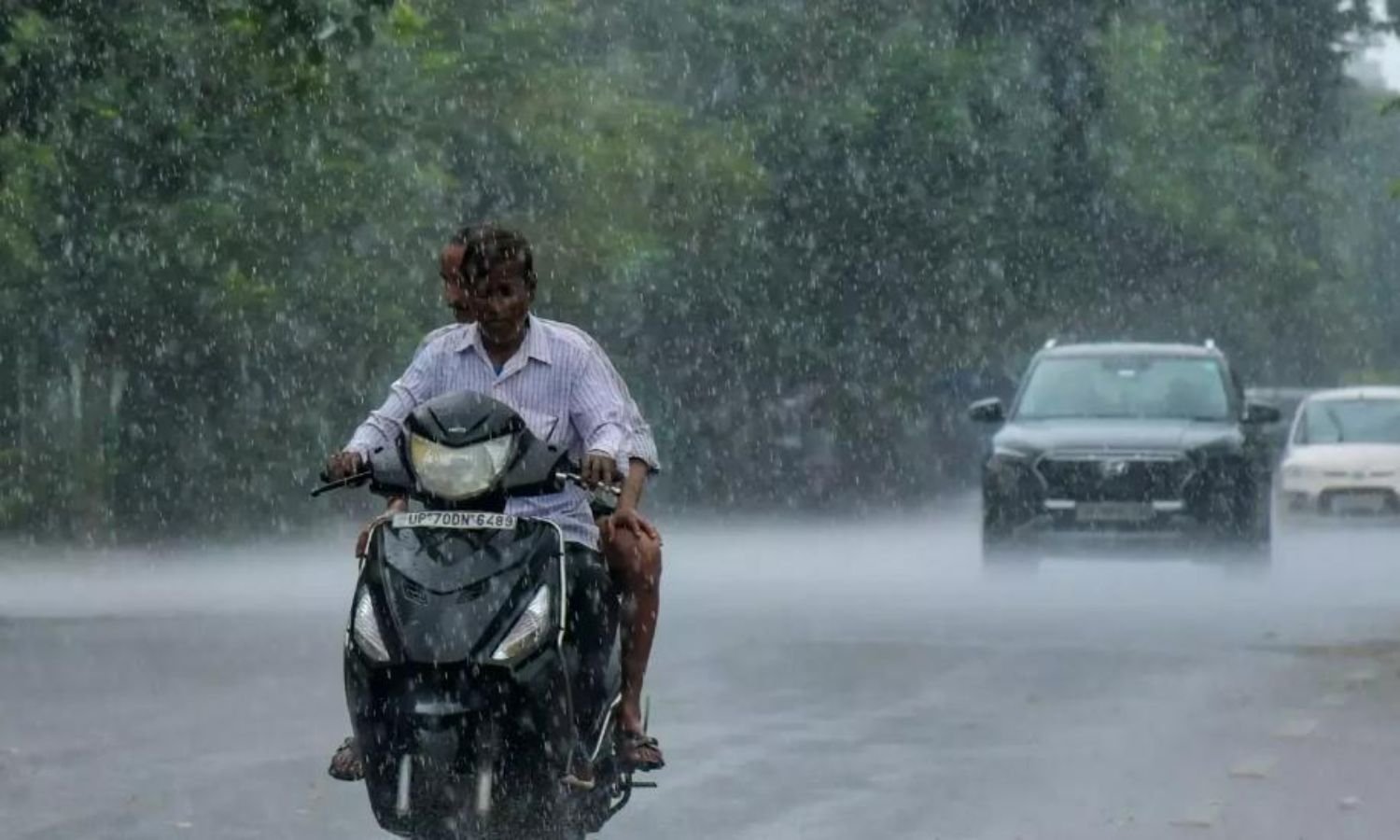
Hyderabad: The Southwest monsoon season ended with a 15% rainfall deficit, creating concerns for agriculture across the state. Telangana received 612 mm of rain from June 1 until the end of the monsoon season, against its normal 718 mm.
The monsoon remained weak through much of the season, with prolonged dry spells affecting crop cultivation. Weather scientists had earlier warned that the El Nino effect could influence rainfall patterns during the season.
Monsoon progress also slowed, while favourable weather systems over the Bay of Bengal failed to develop consistently. Consequently, June, July and August experienced extended periods of dry weather.
The season recorded only 30 to 32 rainy days, compared with the usual 45 to 50 days. Dry spells lasting 15 to 20 days during the season also contributed to falling groundwater levels.
By September 22, rainfall remained significantly below normal. The state had received 86.5 mm between September 1 and 22, against the expected 130 mm for the period.
Similarly, Telangana received only 560 mm from June 1 to September 22. The expected rainfall for that period was 704 mm, leaving the state with a 34% deficit at that stage.
However, heavy rain towards the end of the season provided temporary relief. A strong cyclonic circulation over the Bay of Bengal brought an average of 52 mm of rainfall to the state within four days.
Southwest monsoon drought concerns persist
The late-season rainfall reduced the September deficit from 34% to 4%. The normal rainfall for September is 145 mm, while the state had recorded 139 mm after the latest spell.
Severe rainfall deficiency had continued in 18 of Telangana’s 33 districts. Following the four-day rainfall spell, the number of severely deficient districts fell to 14.
However, no district recorded rainfall above normal levels, according to the source. The overall season therefore remained deficient despite the late improvement.
Weather records cited in the source show that Telangana experienced similar drought conditions in 1987, 2002, 2009 and 2014-15. In 2002, a prolonged July dry spell resulted in a rainfall deficit of nearly 32%.
In 2015, the monsoon weakened under the influence of El Nino. The government subsequently declared more than 230 mandals as drought-affected areas.
The latest rains mainly benefited eastern districts, while drought conditions continued in several southern and western Telangana districts. Jogulamba Gadwal, Nalgonda, Suryapet and Jangaon remained among the affected areas.
Vaddepalli mandal in Jogulamba Gadwal and Kethepalli mandal in Nalgonda recorded rainfall deficits exceeding 70%. The Meteorological Centre said rainfall would decrease across the state as the strong cyclonic circulation weakened.
From September 27 to October 2, officials expected mostly dry conditions, along with intense sunshine and fog. Only a few districts were likely to receive moderate showers during this period.