
Telangana struggles to finalise RTE quota implementation in private schools

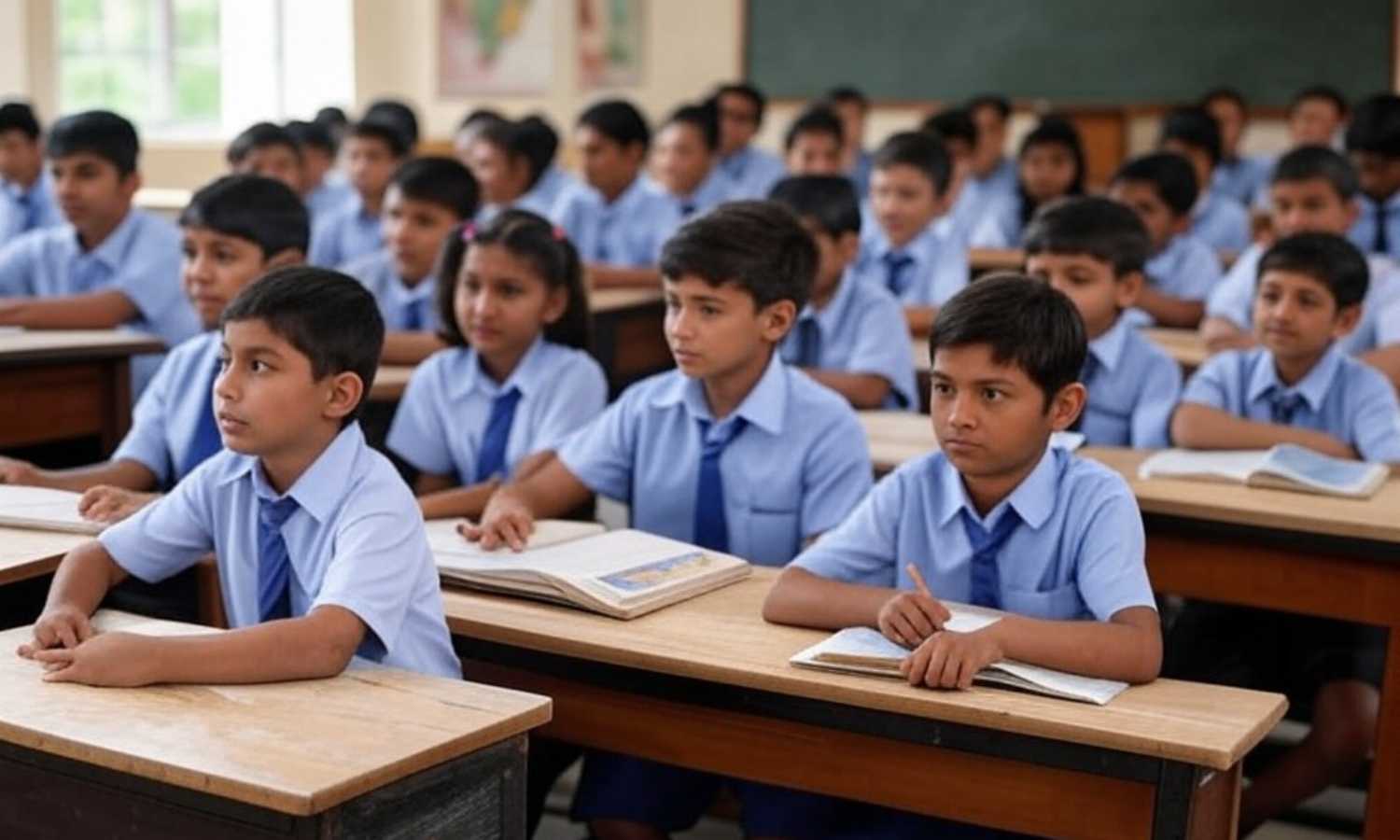
HYDERABAD: Although the Telangana government assured the High Court that it would implement 25 percent reservations for disadvantaged groups in private schools under the Right to Education (RTE) Act, it continues to struggle with how to enforce the provision effectively.
While officials believe that restricting admissions under this quota to habitations lacking government schools, similar to the Karnataka model, would be most beneficial, no final decision has been made. Six months ago, in response to a petition alleging non-implementation of the RTE Act, the state agreed in court to enforce Section 12(1)(c), which mandates private unaided schools to reserve 25 percent of seats for children from weaker sections and disadvantaged groups. These include orphans and children from families affected by AIDS. The government must also bear the cost of their education.
The government had committed to implementing the provision by the 2025–26 academic year and is now working to frame operational guidelines.
Provision under the RTE Act
Section 12(1)(c) of the RTE Act, 2009, requires all unaided private schools to allocate 25 percent of seats from Classes 1 to 8 for children from specified disadvantaged groups living in the neighbourhood. Schools can claim reimbursement from the government for these seats. According to a 2011 government order (GO 20), a habitation must have a government primary school within 1 km, an upper primary within 3 km, and a high school within 5 km. However, even if such schools exist, parents can still seek admission in nearby private schools.
This provision has been the subject of ongoing litigation since the state’s bifurcation. In October last year, the Telangana government committed to implementing the clause.
Policy Amendments and Discussions Underway
While several states have already enforced Section 12(1)(c), Telangana’s education department has been proposing since 2019 to follow the Karnataka model, only allowing quota admissions in areas without government schools. Officials argue that without this restriction, government schools may become underutilised. Such an approach would require an amendment to the central Act.
Over the past few days, education officials have held multiple meetings to discuss implementation. In a recent review led by Chief Minister’s Secretary (Education) Manik Raj, officials, including School Education Secretary Yogita Rana, Director of School Education E.V. Narasimha Reddy, Higher Education Commissioner Sridevasena, and others discussed the way forward.
Key implementation steps under consideration include mapping private schools within 1, 3, and 5 km of habitations, enrolling students only in eligible neighbourhood schools, determining the reimbursement amount (potentially ₹1.10 lakh per student as per current government spending), and developing a dedicated portal for application processing.
Authorities must also define seat reservation rules within the 25 percent quota and decide on the admission mechanism—whether by lottery or another method. The government is expected to seek legal counsel before finalising its decision.