

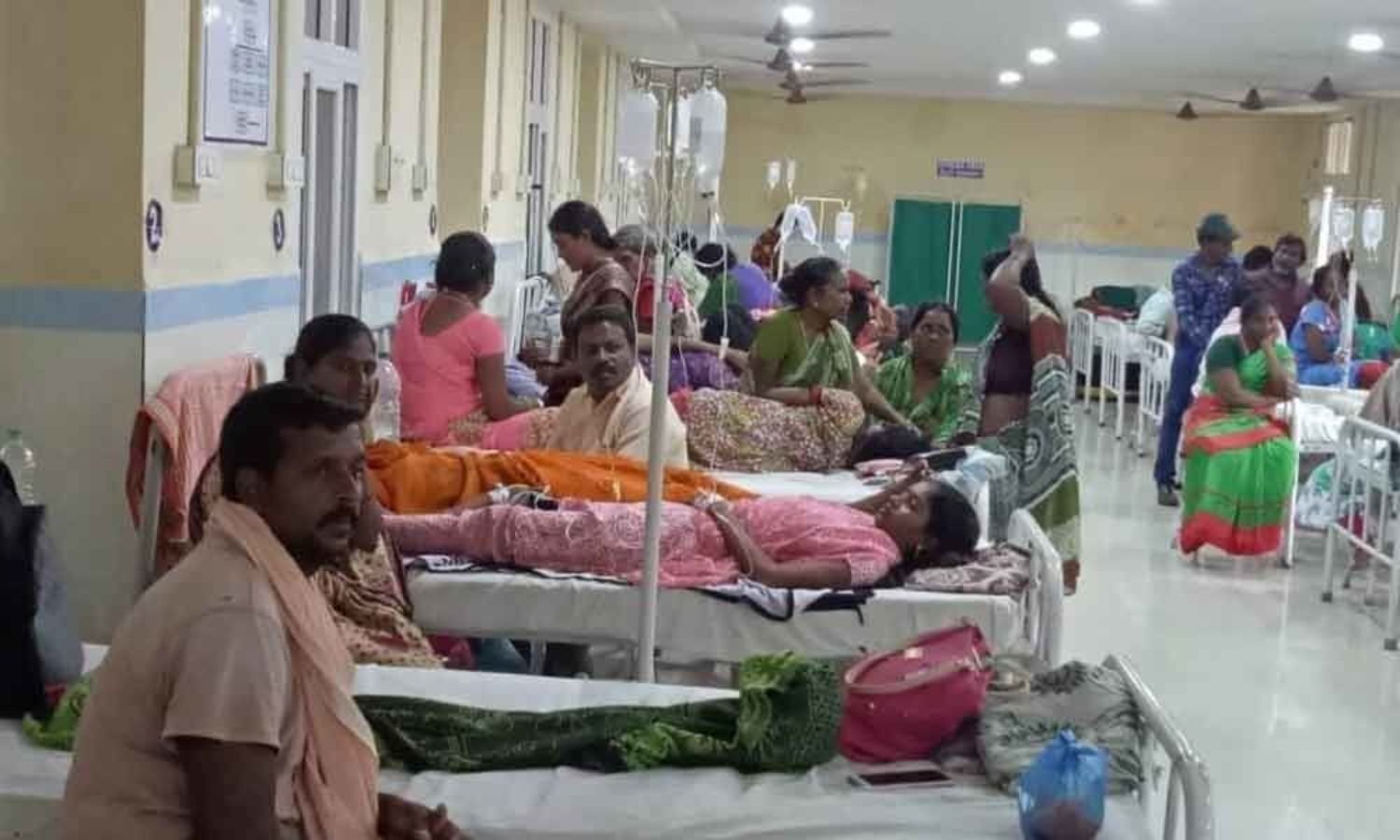
Hyderabad: Nalgonda dialysis patients are facing severe shortages of beds and facilities at government dialysis centres. The district has 11 centres, but their available beds and machines remain inadequate for the growing number of patients.
Government centres across the district currently provide free dialysis to 726 patients in four shifts. However, the number of beds and dialysis machines has not increased in line with the patient load.
Patients who require dialysis two or three times a week are therefore spending hours waiting for beds. Many remain in waiting areas until a machine becomes available during their scheduled shift.
The number of kidney patients has reportedly increased because of changing lifestyles, contaminated water and other health problems. Although the government has established dialysis centres, patients continue to face shortages of facilities.
Dialysis takes around four hours for each patient, making it difficult for centres to accommodate everyone. As a result, patients scheduled for the next shift often have to wait outside until beds become available.
The shortage has also created problems for patients travelling from distant areas. Transportation expenses and long waiting periods are adding to their difficulties.
Many patients are turning to private hospitals because of the government facilities’ limited capacity. However, thousands of rupees can be charged for each dialysis session, placing a heavy financial burden on poor and middle-class families.
Patients also alleged that private hospitals charge additional amounts for private rooms, medicines and laboratory tests. Officials have stated that dialysis services are available under Aarogyasri, but patients said the situation at the field level remains difficult.
Nalgonda dialysis patients face shortages across 11 centres
The Nalgonda government hospital has 15 beds serving 135 patients. Devarakonda has 10 beds for 50 patients, while Miryalaguda has 10 beds serving 92 patients.
Nagarjunasagar has five beds for 40 patients, and Marriguda has five beds for 30 patients. Suryapet has seven beds for 60 patients, while Huzurnagar has nine beds for 80 patients.
Kodad has five beds serving 52 patients, while Choutuppal has five beds for 50 patients. Bhuvanagiri has eight beds serving 90 patients, and Ramannapet has five beds for 47 patients.
Some centres are operating dialysis services across four shifts to manage the patient load. However, even continuous operations have not been enough to meet the demand for beds.
Dialysis patients are also facing shortages of blood and iron injections. Patients are supposed to receive one blood injection for every two dialysis sessions, but technicians said supplies currently allow only one injection for about every three sessions.
Technicians attributed the shortage to the low number of people coming forward through the government system. Iron injections are also reportedly being provided in a similar manner.
Another concern is the absence of a nephrologist for dialysis patients. Technicians said they face difficulties handling emergencies because a specialist is not available when complications arise.
One patient said they had been living with a kidney problem for two years and required dialysis twice a week. The patient said long waits at government hospitals were difficult because private treatment was unaffordable.
The patient urged the government to immediately increase the number of dialysis beds and machines. Meanwhile, the growing demand has highlighted the need for better facilities at government centres across the district.