
JNTU-Raidurg traffic mobility study to examine footpaths, Metro last-mile links

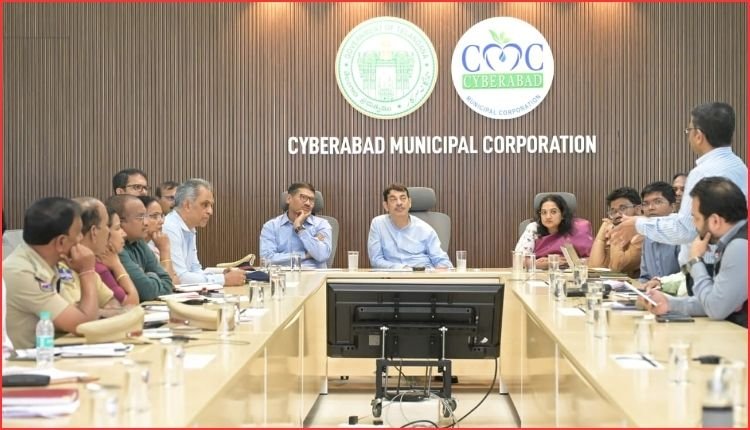
Hyderabad: Officials reviewed a proposed traffic mobility study covering footpaths, feeder transport and last-mile connectivity along the JNTU-Miyapur-Raidurg Metro corridor. Special Chief Secretary Jayesh Ranjan chaired a meeting on traffic mobility and last-mile connectivity at the CMC Head Office.
The Commissioner, CMC, MD, RTC and Cyberabad Commissioner of Police participated in the meeting. Cyberabad Joint Commissioner of Police (Traffic), zonal commissioners, department heads and other officials also attended.
The proposed study will examine the corridor from Metro stations to last-mile destinations. Moreover, it will identify practical mobility improvements for commuters, pedestrians and students.
Officials plan to study continuous footpath connectivity along the approximately 8.5-km corridor. The exercise will identify missing links, pedestrian crossings, encroachments and unsafe stretches.
Traffic mobility study to review feeder services
The traffic mobility study will examine auto-rickshaw and feeder connectivity along the corridor. In particular, officials will assess designated pick-up and drop-off bays at Metro stations and major junctions. They will also study the requirement for dedicated feeder auto stands.
The proposed exercise will review the Metro feeder and last-mile network. It will examine ways to integrate walking and cycling with feeder autos and e-autos. In addition, the study will consider connectivity to schools, offices, residential areas and commercial establishments.
The aim is to examine mobility across the entire journey rather than focusing only on Metro stations. Therefore, the study will cover connections between stations and surrounding destinations.
Police and traffic management will form another part of the traffic mobility study. Officials will identify congestion points and accident-prone locations along the corridor. They will also review pedestrian crossings, signage, barricading and traffic regulation.
Meanwhile, the study will examine school transport and peak-hour mobility. Officials will assess the movement of school buses and vans along the corridor. The exercise will also examine congestion caused by vehicles used by parents during school pick-up and drop-off periods.
Additionally, officials will study school-child car-pooling as a mobility option. They will examine designated pick-up and drop-off zones located away from the main carriageway. The proposed study will consequently cover pedestrian movement, public transport feeders, school traffic and road management together.
Through the traffic mobility study, officials aim to identify practical measures to improve end-to-end movement along the JNTU-Miyapur-Raidurg corridor.