

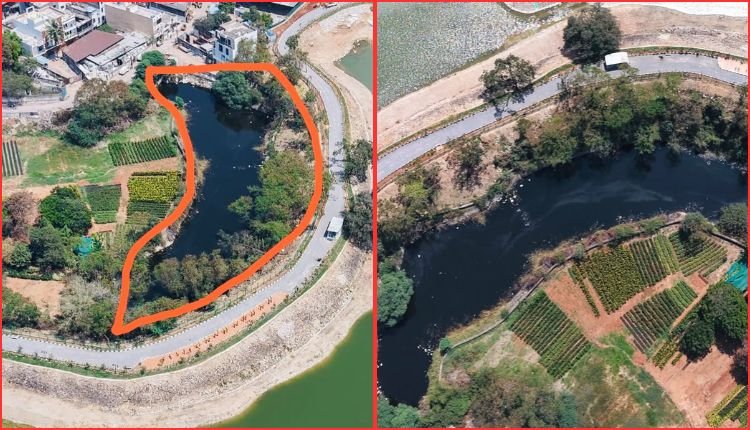
Hyderabad: HYDRAA began historic well restoration near Bum-Rukn-ud-Daula lake at Shivarampally in the Old City. The 1.50-acre spring-fed baoli stood below the lake. HYDRAA said the lake and well shared a 356-year history.
The agency said the work would protect heritage, support environmental recovery and serve the public. It also sought to bring a neglected old well back into use. In addition, the project would show people how the city once managed water. Students and future generations could also learn from the site. Work on the well had begun.
HYDRAA said the historic well restoration would take about two to three months. The agency expected water to flow into the baoli again after the work.
Chief Minister Revanth Reddy had opened the restored lake on March 8. During that event, HYDRAA Commissioner AV Ranganath told him about the old well beside it. Soon after, officials moved to restore the well.
Historic well restoration follows lake revival
Vimos Technocrats had watched over the lake work. The same firm then took up the well project. The historic well restoration followed HYDRAA’s earlier work on the lake. The lake once spread across about 100 acres, the account said. However, land grabs had cut it to about four acres. HMDA records had put the lake area at 17 acres.
HYDRAA cleared encroachments up to that extent and dug out the lake. Earlier, people had filled parts of the lake with soil and turned them into a layout. The agency then restored the lake and opened it to the public.
The baoli had also lost much of its water-holding space. Plastic, waste, soil, silt and thick weeds had choked the old well. Therefore, the historic well restoration focused first on clearing this build-up.
The Old City had many wells with their own local histories. HYDRAA said this baoli also held a special place in local memory. Old accounts said its water had medicinal value. They also said Nizam rulers drank water from the well.
HYDRAA’s historical note dated the lake to around 1770. It linked the lake to the rule of the third Nizam, Sikandar Jah. The note said the lake took its name from Nawab Rukn-ud-Daula, who served as prime minister.
Historic well restoration highlights water heritage
The note said the lake, its bund and nearby herbs helped filter the water. Water then moved through the ground and reached the baoli below. People believed the water was clean and had medicinal value.
Old accounts also said bullock carts carried the water to faraway places. Some stories linked the water with a journey as far as London. HYDRAA gave no further details on those stories.
The note also described an old way of treating the lake water. People put branches, bark and flowers from medicinal plants into the lake. The water then flowed into the spring-fed well. People believed the process gave the water medicinal qualities.
For HYDRAA, the historic well restoration also had an educational role. The lake, herbs and baoli showed old ways of saving and filtering water. They also reflected local knowledge about nature and health.
The agency said the project would keep that knowledge alive for the public. It also linked the site with water, nature, medicine and Nizam-era history.