
El Niño preparedness plans ordered for Rangareddy villages within 15 days

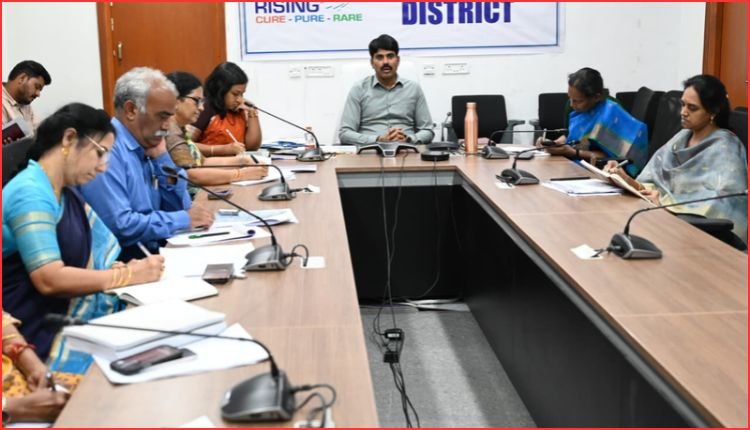
Hyderabad: Rangareddy District Collector C. Narayana Reddy directed officials to prepare village-level action plans within 15 days to address anticipated water shortages and agricultural difficulties arising from El Niño.
He ordered departments to prioritise drinking water, livestock fodder, Rabi cultivation and alternative rural employment over the next nine months. The Collector issued the directions during a video conference from the Integrated District Offices Complex on Tuesday.
Officials from agriculture, horticulture, electricity, irrigation, Mission Bhagiratha, animal husbandry and rural development attended the meeting. Mandal Parishad Development Officers (MPDOs) and mandal special officers also participated.
Narayana Reddy warned that below-expected rainfall during the previous monsoon could reduce groundwater availability. Therefore, he directed departments to begin preventive measures before shortages affected villages.
El Niño preparedness plans prioritise drinking water
The Collector instructed officials to prepare separate drinking water management plans for every village and habitation. He directed Mission Bhagiratha officials to identify and repair pipeline leakages. They also had to prevent water wastage from overhead tanks and ensure that every tap had an on-off mechanism.
Additionally, officials had to identify alternative water sources, including borewells and hand pumps, and complete necessary repairs. Narayana Reddy ordered departments to resolve pump and motor breakdowns within 24 hours.
He also instructed electricity officials to inspect transformers and power lines in advance. The inspections aimed to maintain uninterrupted electricity supply to drinking water facilities. Officials had to complete drinking water action plans within 15 days and begin implementation.
The Collector directed agriculture and animal husbandry officials to coordinate measures against possible summer shortages of livestock drinking water and fodder.
He instructed departments to repair existing cattle water troughs in villages. Where additional facilities were necessary, officials had to prepare proposals for new troughs under the employment guarantee scheme.
Departments also had to assess livestock populations, available fodder stocks and future requirements in each village. Furthermore, Narayana Reddy directed officials to encourage farmers to collect and store straw obtained during paddy harvesting.
He asked them to discourage straw burning through awareness programmes and promote fodder conservation. Officials were also instructed to arrange fodder seed supplies and encourage cultivation of alternative fodder crops.
El Niño preparedness plans to guide Rabi crop selection
The Collector directed agriculture and horticulture departments to organise field-level awareness programmes on suitable Rabi crops. He said farmers needed scientific guidance before selecting crops under anticipated water-stressed conditions.
Officials had to consider rainfall deficits, groundwater availability, irrigation resources and temperatures while advising farmers on cultivation areas. In regions with limited water, the Collector recommended alternatives to water-intensive crops such as paddy.
He specifically directed departments to promote short-duration crops, alternative crops and vegetables suited to available water resources. The measures aimed to prevent farmers from suffering losses after cultivating crops without assessing irrigation availability.
Narayana Reddy directed rural development officials to identify employment guarantee works before agricultural employment opportunities declined. He instructed departments to prepare village-wise and habitation-wise work proposals and obtain the necessary approvals.
Priority had to go to water conservation, rainwater storage, groundwater recharge and rural development activities. MPDOs, Assistant Programme Officers (APOs) and rural development officials were directed to coordinate employment planning.
The Collector stressed that sufficient employment guarantee work should remain available to rural residents if drought conditions reduced agricultural activities. The Collector directed mandal special officers, MPDOs, tahsildars and municipal commissioners to coordinate with all relevant departments.
He instructed officials to conduct mandal-level meetings during the first two days. Subsequently, village-level meetings had to take place on Friday and Saturday to identify local problems and requirements.
Sarpanches, gram panchayat governing body members, panchayat secretaries, field assistants, ASHA workers, teachers, farmers and village elders had to participate. Narayana Reddy also directed the administration to appoint a special officer for every gram panchayat.
These officers had to document local problems, available resources and necessary corrective measures. Departments were instructed to finalise comprehensive action plans within 15 days and continuously monitor their implementation.
The Collector reiterated that drinking water supply deserved the highest priority. He also stressed coordinated action to protect livestock, safeguard farmers’ interests and provide rural employment.
Additional Collector Dr. K. Kiranmayi, District Revenue Officer Sharada Devi and Chief Planning Officer Soumya attended the video conference. District Agriculture Officer Sujatha, District Horticulture Officer Suresh, the groundwater officer, MPDOs, mandal special officers and electricity department officials also participated.