

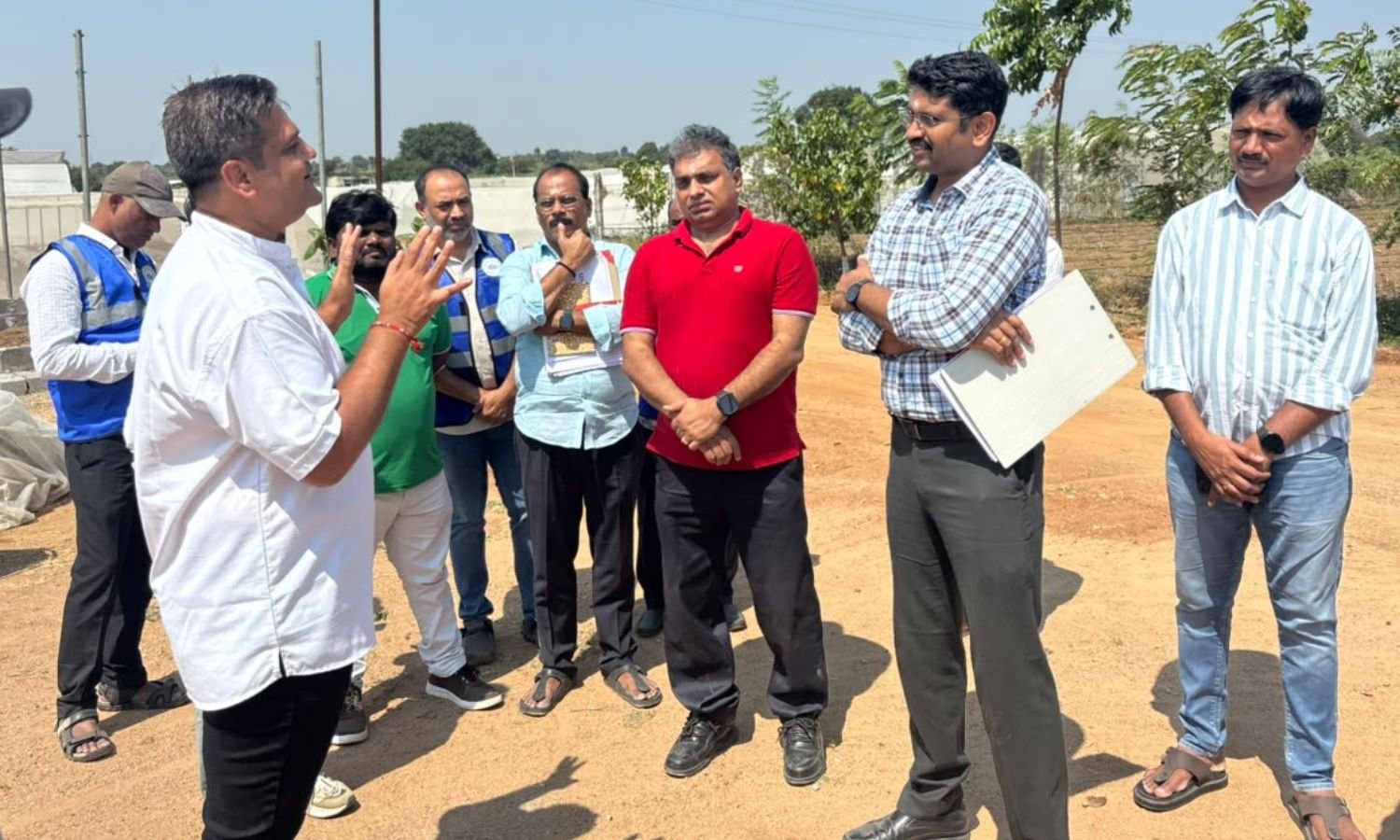
Shadnagar: Telangana Southern Power Distribution Company (TGSPDCL) Chairman and Managing Director Jitesh V. Patil has suggested that farmers focus on alternative crops. Citing changing weather conditions and the El Niño effect, he said farmers should adapt their cultivation methods to water availability. According to Patil, they should choose crops that earn more income with less water, investment and labour.
He said farmers should examine new cultivation methods in line with changes in the agricultural sector due to El Niño. Patil added that the power department is always working to provide better electricity services to farmers.
Alternative crops on small plots, says Patil
Given the high water requirement for paddy, the CMD suggested that farmers consider alternative crops based on their land area, water availability and investment capacity. He said farmers should explore growing greens, tungas, vegetables and flower gardens. According to him, this could be done on plots ranging from one or two pits to one or two acres.
Along with crop cultivation, he said farmers should consider ancillary activities to earn additional income. These include dairy farming, fish farming, sheep farming and poultry farming. Further, Patil stated that plans should be made to make agriculture profitable through efficient use of water, capital and labour.
CMD inspects power supply in Shadnagar villages
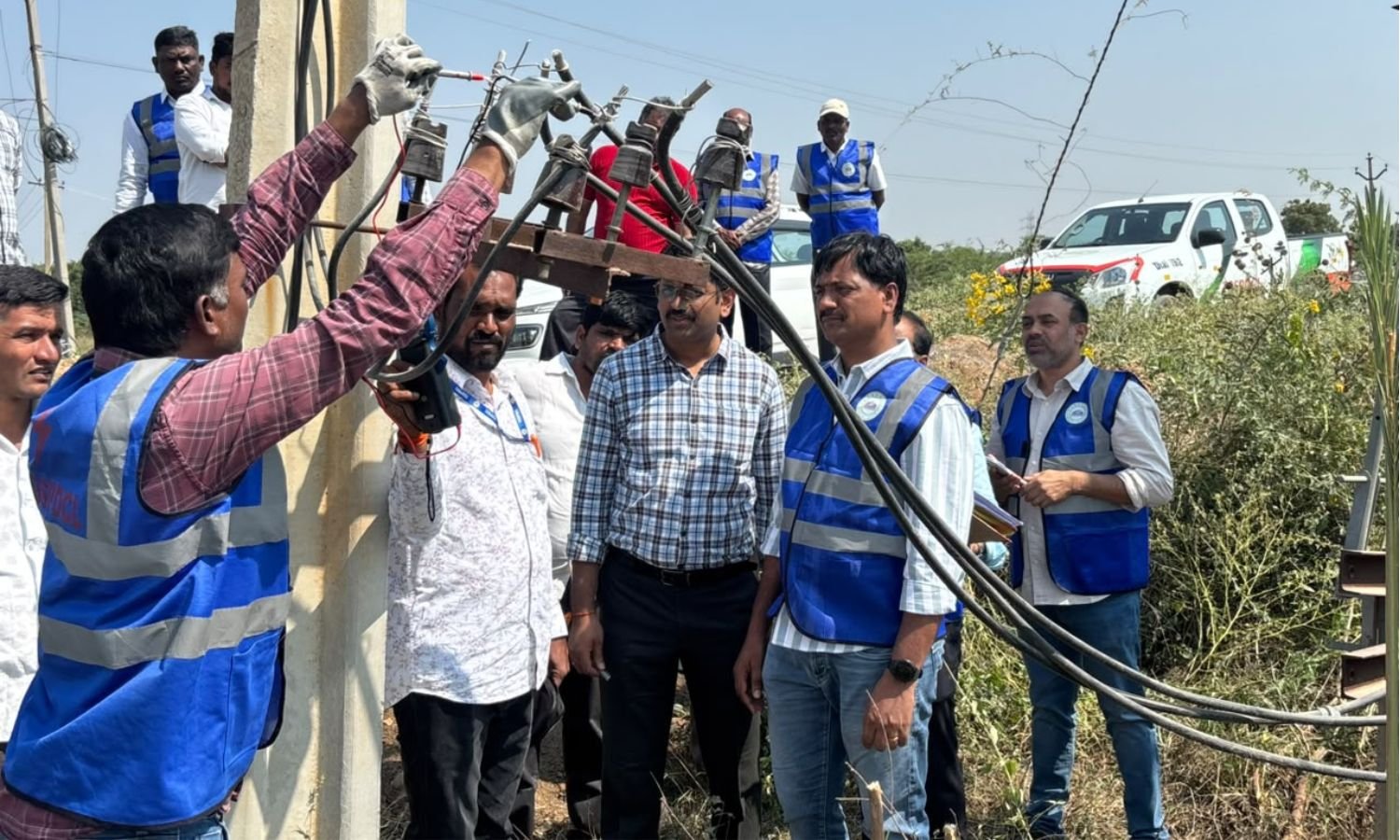
On Sunday, Patil and Director (Projects and IT) V. Shivaji made a surprise field visit to Raikal, Vityala and Rameshwaram villages. The villages fall under the Shadnagar division of Rangareddy district. They inspected Agricultural Electricity Supply (AGL) conditions and the performance of distribution transformers. They also reviewed with officials the steps needed to provide quality and stable power supply to farmers.
The CMD also discussed agricultural practices with the Research and Development (R&D) team of Kheyti, which works in the Shadnagar area. He learned how farmers could earn more by growing various crops and vegetables on less land, using less water and fewer pesticides.
Additionally, he discussed modern farming methods, efficient water use and policies that benefit farmers, along with crop diversity suited to local conditions. He also examined opportunities for profitable agriculture even in small areas.