

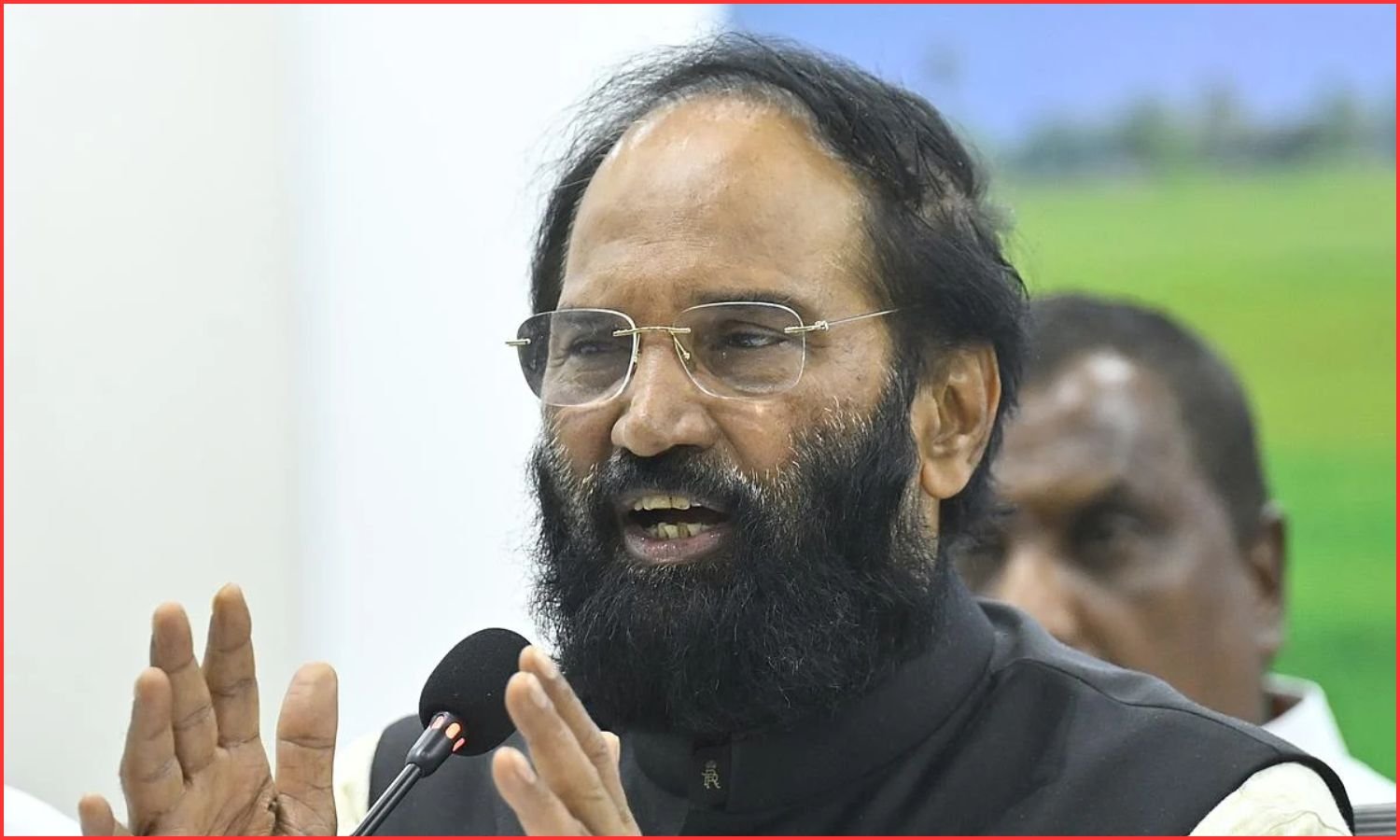
Hyderabad: The Telangana government plans to build a Telangana rice buffer sufficient for 14 months to protect 3.42 crore beneficiaries from potential food shortages. The move aims to prepare for El Niño, reduced rainfall and possible crop losses. Civil Supplies Minister Uttam Kumar Reddy issued directions during a review meeting on strengthening the public distribution system.
The state needs 2.38 lakh tonnes of rice every month for welfare schemes, the public distribution system (PDS) and the midday meal programme. Annual demand stands at 28.56 lakh tonnes. The government wants to secure sufficient stocks to prevent supply disruptions and shield poor households from added financial pressure.
Current estimates put rice stocks in state buffer warehouses at 9.64 lakh tonnes. Another 18.39 lakh tonnes are expected from custom-milled rice due from mills and other sources. These supplies would bring total availability to around 28.03 lakh tonnes.
Officials estimate that the projected stocks could meet requirements until September 2027. The government is focusing on timely procurement and deliveries to maintain supplies for welfare programmes.
Telangana rice buffer plan targets supplies through September 2027
Uttam Kumar Reddy directed officials to closely monitor rice millers. He asked them to ensure that millers deliver outstanding custom-milled rice to warehouses within the stipulated deadlines. Timely deliveries will help maintain the planned Telangana rice buffer and prevent shortages.
The government is also considering a wider range of essential commodities through ration shops. Under the proposal, beneficiaries could receive wheat flour, red gram, palm oil, sugar, tamarind and chilli powder alongside rice.
The proposed expansion aims to provide additional relief to households during difficult periods. However, the government is still considering the plan to distribute these commodities through the public distribution network.
The state’s preparations focus on protecting food supplies if El Niño reduces rainfall or causes drought and crop damage. Officials will need to monitor incoming stocks and warehouse supplies as the government works towards its food security targets.