

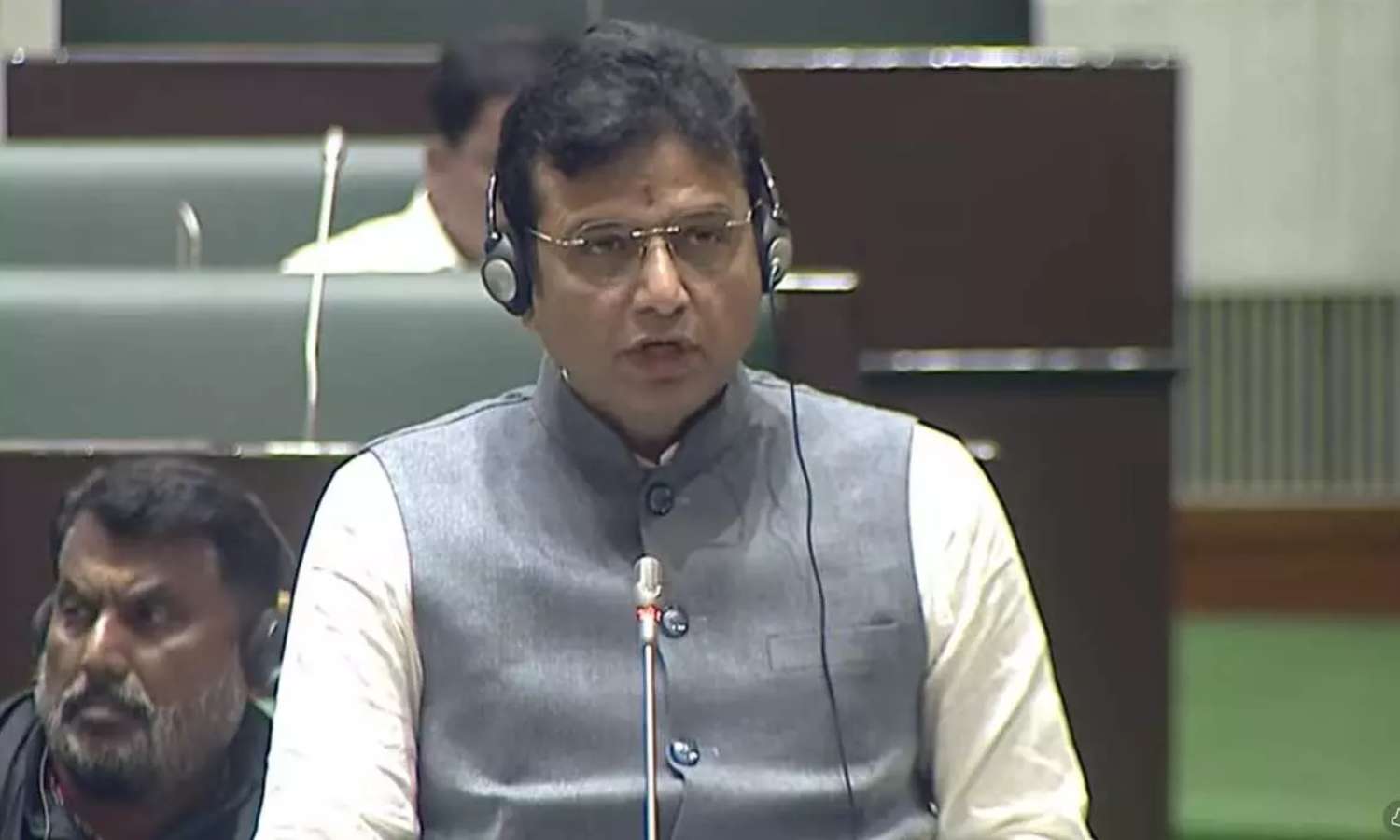
Hyderabad: IT and Industries Minister D. Sridhar Babu on Tuesday told the Telangana Legislative Assembly that the government’s HILT policy prioritizes public health and environmental safety—not merely land-use changes.
He argued that certain critics are misrepresenting the policy’s core intent. “This isn’t about updating revenue records,” he clarified. “It’s about ensuring clean air and safe drinking water for future generations.”
Policy targets pollution and prioritizes public health
Sridhar Babu stressed that industrial growth should never come at the cost of people’s lives. He explained that several industrial zones, planned in the 1970s, have since evolved into densely populated residential neighborhoods. As a result, these areas now struggle with air pollution, groundwater contamination, and the absence of proper buffer zones. “These conditions have pushed Hyderabad toward a serious ecological crisis,” he cautioned.
Moreover, to emphasize the importance of preemptive action, he cited international examples such as London’s Clean Air Act and China’s Blue Sky Protection Plan. In both instances, cities successfully curbed pollution by relocating hazardous industries outside urban limits. “We cannot trade the people’s lungs for economic growth,” he declared.
Clarification on HILT policy scope and intent
In response to objections raised by BRS and BJP leaders, Sridhar Babu clarified that the HILT policy affects only lands already owned by industrial units. He stressed that the process remains voluntary, transparent, and operates within a fixed timeframe. Additionally, the policy reflects recommendations from subject experts and aligns with Supreme Court rulings that prioritize the Right to Life over unchecked industrial expansion.
“HILT is like corrective surgery for Hyderabad’s environment,” the Minister concluded. “Our focus remains on safeguarding people’s welfare—not engaging in political rhetoric.”