

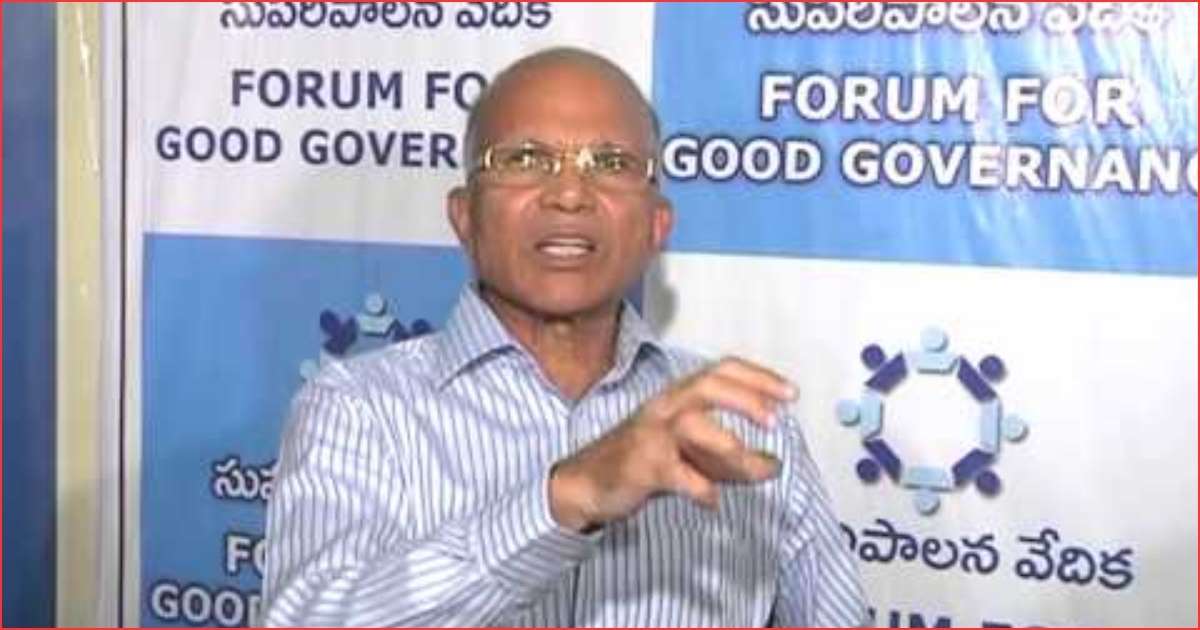
Hyderabad: Forum for Good Governance (FGG) flagged large-scale irregularities in Telangana’s free rice scheme, alleging that ineligible families were widely included due to poor enforcement of eligibility norms.
The FGG, led by M. Padmanabha Reddy, urged the state government to review white ration cards. It said eligibility norms were being ignored in many cases. As per rules, annual income must be below Rs. 1.5 lakh in rural areas and Rs. 2 lakh in urban areas. Landholding limits also apply, with a cap of 3.5 acres of wet land or 7.5 acres of dry land.
However, the group said free rice scheme irregularities had led to excessive coverage. While less than 20% of the population falls below the poverty line, nearly 85% of households reportedly receive free rice. This gap raised concerns about misuse and financial burden.
FGG stated that the Government of India allocates sufficient food grains to cover genuine BPL families. Yet, Telangana expanded coverage significantly beyond this level.
Free rice scheme irregularities in ration card expansion
FGG said more than 1.05 crore ration cards had been issued in the state. It noted that this scale of coverage suggested inflated beneficiary numbers. Based on an average of four persons per family, the total covered population would reach about 420 lakh, exceeding Telangana’s population.
The organisation said the Centre allocated food grains for 54.67 lakh families, covering around 2 crore people. This supply was sufficient for all BPL households. Despite this, the state issued an additional 35.28 lakh ration cards covering 90 lakh people. Further, the present government issued 15.12 lakh new cards.
As a result, free rice scheme irregularities widened, with total beneficiaries surpassing realistic population estimates.
FGG also cited multiple media reports that claimed eligibility rules were not followed. It said that distribution of 6 kg rice per person had been extended to about 85% of households, allegedly for electoral considerations.
Free rice scheme irregularities seen in field study
FGG’s field study identified anomalies in specific regions. In Ankapoor village of Nizamabad district, over 1,200 families received free rice. However, only around 300 families met eligibility criteria. The village showed strong economic indicators, including high vehicle ownership, foreign remittances, and tax revenues.
Similarly, Ranga Reddy district, among the wealthiest in India, recorded 98.7% household coverage under the scheme. FGG said this contradicted the district’s economic profile.
These findings, it said, highlighted the scale of free rice scheme irregularities across regions.
FGG added that it had submitted repeated representations, including to the Civil Supplies Minister. However, no corrective steps had been taken so far.
The organisation described the situation as a serious drain on public funds. It demanded immediate verification of beneficiaries, removal of ineligible families, and stricter targeting of welfare schemes to ensure proper delivery.