

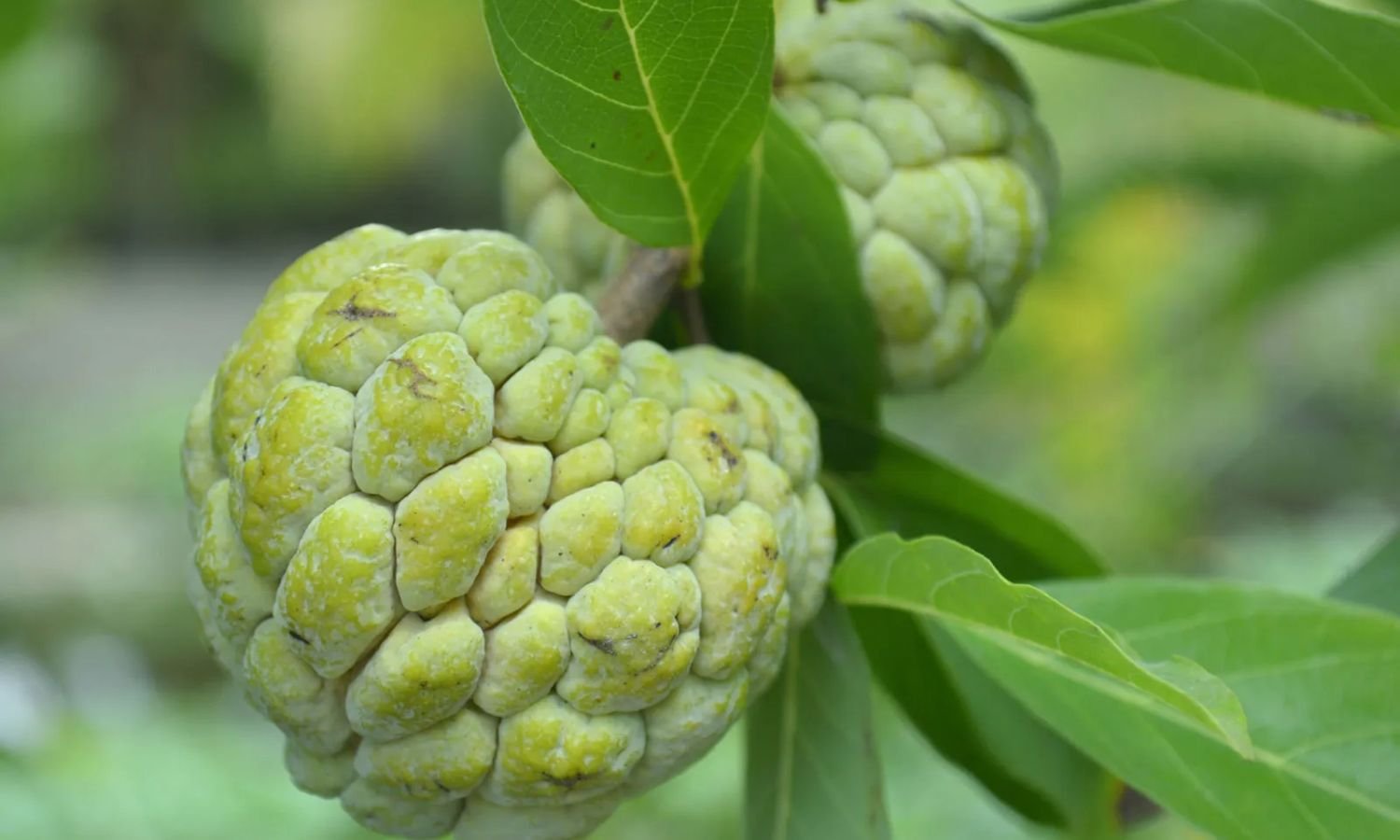
Hyderabad: Custard apple, once a cheap and common seasonal fruit, is becoming increasingly expensive in Hyderabad. Dry conditions and high temperatures linked to El Niño have damaged flowers and young fruits, sharply reducing yields. Market reports indicate that a single custard apple now costs Rs. 30 to Rs. 50, depending on quality. The price puts this once-affordable fruit on par with apples for many consumers.
El Niño Conditions Reduce Custard Apple Yield
Custard apple production depends on rainfall, soil moisture and temperature. Flowering and fruit-setting usually begin in July and August. The fruit then reaches markets from September.
This year, delayed rainfall and rising temperatures have damaged the crop. Flowers withered, and young fruits dropped before they could mature. The fruits that survived remain small and fail to reach their normal size.
Farmers report a sharp decline in production. A tree that usually bears 50 to 60 fruits now produces fewer than ten in some cases. The reduced harvest has significantly affected the supply reaching Hyderabad markets.
Mahabubnagar Region Sees Declining Supply
The undivided Mahabubnagar district has long supported extensive custard apple collection. Trees once grew abundantly on hillocks and in forest areas across Achampet, Balmoor, Uppununthala, Lingala, Amrabad and Padara in Nagarkurnool district. Wanaparthy and Narayanpet districts also supplied the fruit.
Traders traditionally transported custard apples from these areas to Hyderabad and other towns. The fruit also attracts considerable demand in Siricilla, Siddipet and Karimnagar.
Unfavourable weather is not the only challenge. Reports also indicate that monkey movements in some areas have further affected fruit availability.
Shrinking Habitats Threaten Future Supply
The loss of natural habitats poses another serious threat to custard apple production. Quarrying, real estate development, the removal of hillocks and other land-use changes continue to reduce areas where the trees grow naturally.
This decline could affect future supplies even when weather conditions improve. The loss of natural tree cover also threatens a resource that supports rural livelihoods.
Planting Could Help Restore Availability
Custard apples provide nutritional benefits and serve as an important seasonal resource for rural families. Social activists and members of the public have called for wider cultivation through the employment guarantee scheme.
They have urged authorities to encourage planting on government land, hillocks and other suitable hilly areas. Including custard apple trees in community forests could also help restore supplies over time.
Without better rainfall and efforts to protect natural habitats, custard apples could become even more expensive. A fruit once known as a poor man’s delicacy now faces the risk of becoming a luxury for ordinary consumers.