

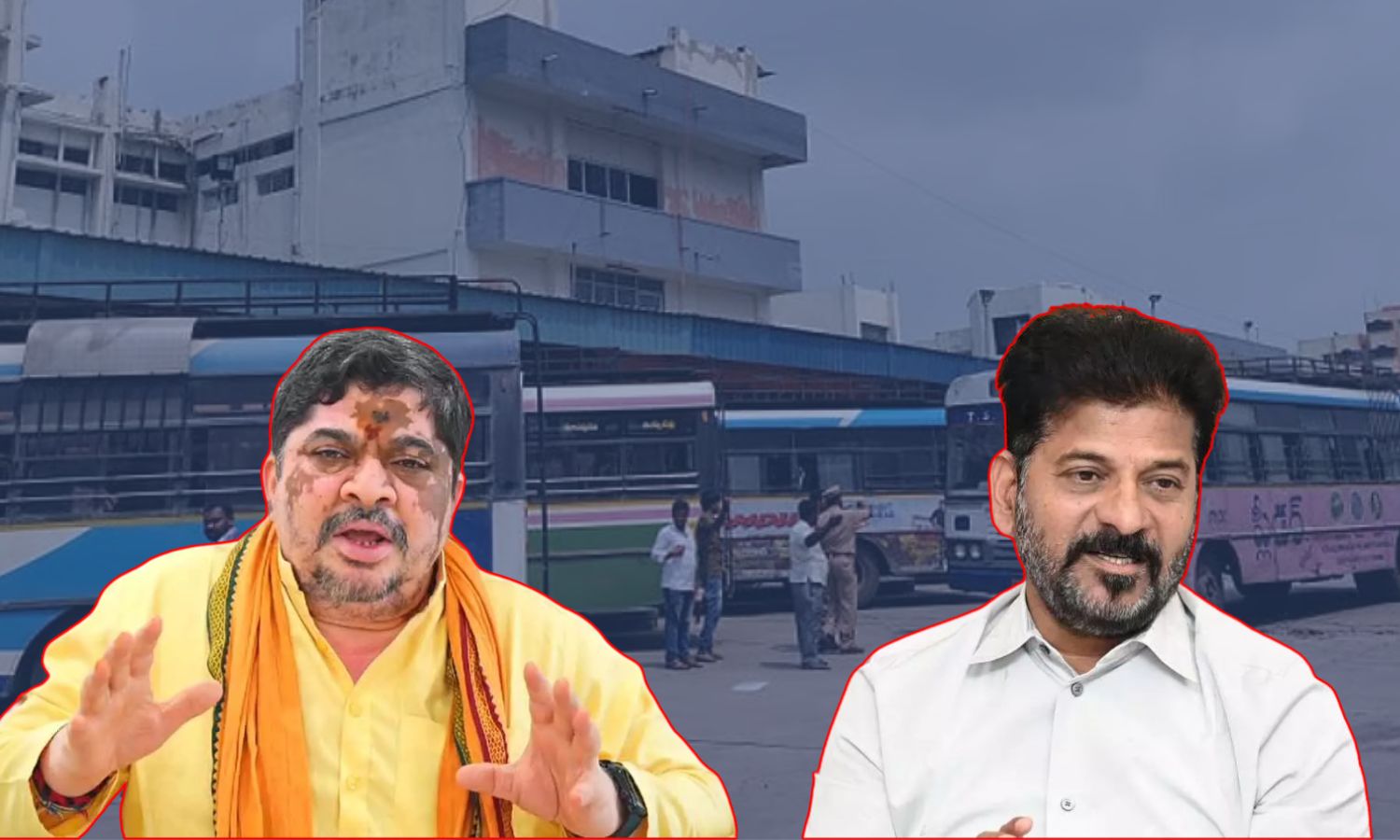
HYDERABAD: The Telangana State Road Transport Corporation (RTC) is facing a major flashpoint as workers have voiced serious concerns over the government’s prolonged inaction on the promised merger of RTC with the state administration. Although Chief Minister A. Revanth Reddy and the Transport Minister have urged employees to avoid industrial action, the looming threat of a strike has left the state’s transport machinery on edge.
While no official date for the strike has been announced, the atmosphere is tense. The RTC, which serves as the backbone of Telangana’s public transport network, could come to a grinding halt if workers decide to proceed with mass protests. Such a disruption would severely impact not just commuters but also the wider economic and administrative activities in the state.
At the heart of the unrest is the pending merger of RTC into the state government framework—a demand that has remained unresolved for an extended period. The delay has become a political and administrative challenge for the Revanth Reddy-led government, especially at a time when state finances are under significant strain.
Adding fuel to the fire is the impact of the Maha Lakshmi scheme, which offers free bus travel to women. While widely welcomed by beneficiaries, the policy has placed additional financial pressure on the RTC, which has yet to be compensated adequately. Workers report an increase in operational burdens, particularly for drivers and conductors, whose workloads have risen significantly due to the scheme’s popularity.
The financial viability of RTC has been a persistent concern. Burdened by increased fuel costs and operational expenses, the corporation is struggling to stay afloat without strong financial backing. The government, on the other hand, is contending with a bleak fiscal outlook. CM Revanth Reddy recently acknowledged the state’s precarious balance sheet, citing massive debt and unchecked expenditure inherited from the previous regime as major obstacles.
Furthermore, tensions between RTC staff and management have escalated over the past year. Managing Director VC Sajjanar, known for his disciplinarian approach, has drawn criticism from worker unions over a series of dismissals and disciplinary actions. The perceived heavy-handedness has frayed the already delicate relationship between employees and administration.
In this charged atmosphere, the workers’ union has issued a strong warning that any failure by the government to engage meaningfully on their demands could force them into a full-scale strike. Such a move would paralyse public transport across Telangana and put pressure on the state’s already overextended welfare programmes.
As the government walks a financial and political tightrope, it now faces the critical task of balancing public welfare with the sustainability of its institutions. How it navigates the RTC crisis may well set the tone for future governance decisions in the state.