
PJTSAU reserves 15% UG seats for children of farm labourers, says VC Aldas Janaiah

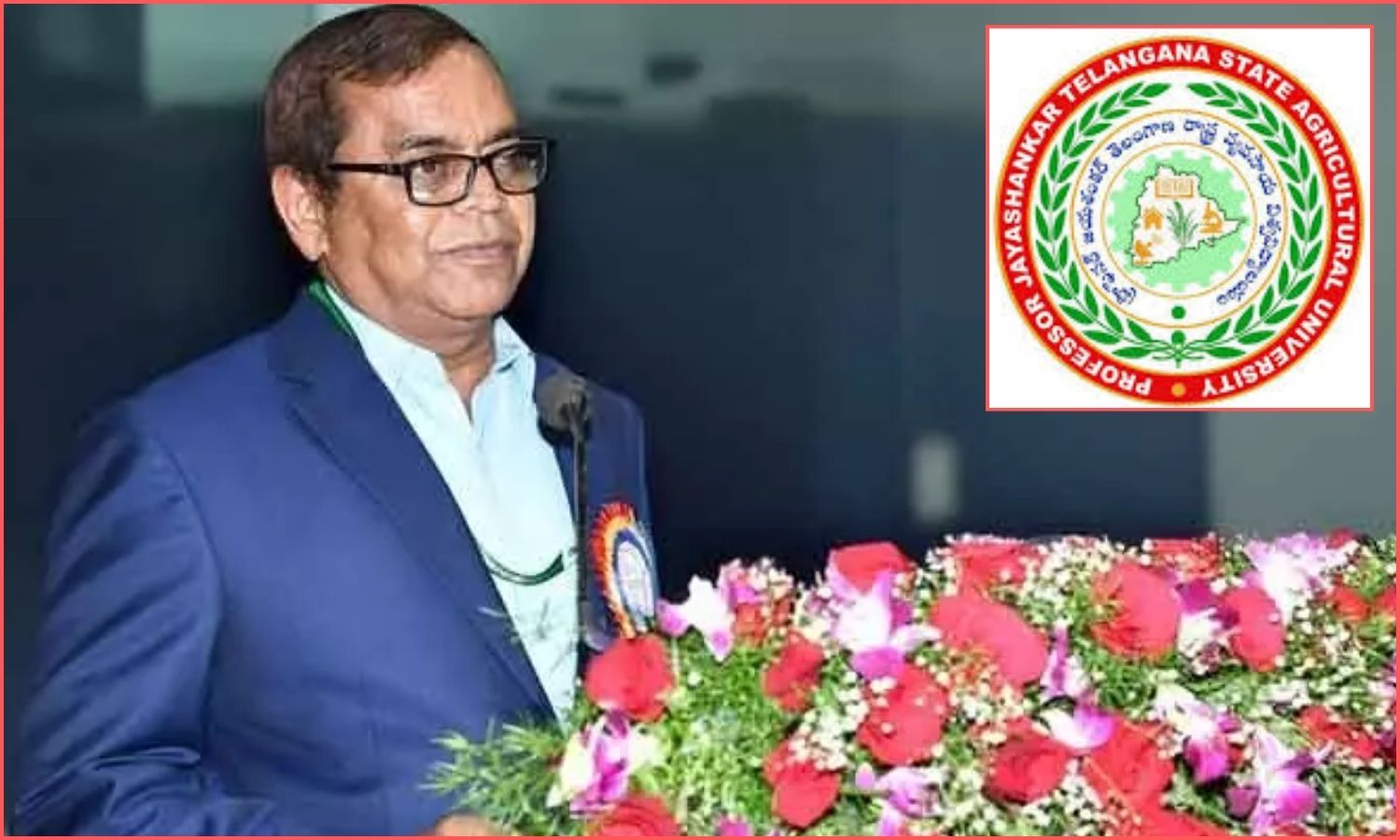
Hyderabad: Professor Jayashankar Telangana State Agricultural University has taken several landmark decisions in teaching, research, and extension, Vice-Chancellor Aldas Janaiah said.
At the convocation ceremony held at the university, Professor Aldas Janaiah announced that, for the first time, the university reserved 15% of undergraduate seats for children of agricultural labourers. He also announced a reduction in special quota fees from ₹10 lakh to ₹5 lakh.
Through the Rythu Mungitlo Shastravettalu programme, university scientists visited 1,200 villages and directly interacted with 1.20 lakh farmers, he said. Separately, the university opened new agricultural colleges at Kodangal, Nizamabad, and Huzurnagar.
Highlighting institutional growth, the Vice-Chancellor said PJTSAU was collaborating with several international institutions, including Western Sydney University. Consequently, the university’s national ranking improved from 37 to 24. With sustained support from ICAR and the State government, he said, efforts were underway to take the university to the top tier.
PJTSAU convocation awards degrees, honours expert
During the mega convocation, the university awarded degrees to 2,135 undergraduate students, 480 postgraduates, and 129 PhD scholars. In addition, the university presented gold medals to six PhD scholars, 26 postgraduates, and 64 undergraduates.
As chief guest, international agricultural expert Prabhu Pingali received an honorary doctorate. In his address, he praised the university’s progress under the leadership of Vice-Chancellor Aldas Janaiah.
Reflecting on India’s agricultural journey, Prabhu Pingali said the country, which faced food shortages in the 1960s, emerged as a food-exporting nation after the Green Revolution. However, he noted that India continued to lag in pulses and millets production, resulting in widespread nutritional deficiencies.
He pointed out that globalisation significantly altered food habits, with western diets becoming common. Moreover, he observed that post-COVID digitalisation enabled doorstep delivery of food through mobile applications.
Against this backdrop, he stressed the need to change farming practices, cropping patterns, and agricultural policies. He urged authorities to ensure that advanced technologies, digital tools, and extension services reach small and marginal farmers. He also called for policies that promote crop diversification.
Finally, he said investments in transport, marketing systems, and storage infrastructure must increase through both public and private participation. He added that food policies should align with consumer habits while ensuring nutritional security for all.