

Hyderabad: The Congress has finalised candidates for the two upcoming Graduate MLC seats without holding any real consultation with the smaller parties that backed it in the last Assembly elections. The move has already caused friction with the Telangana Jana Samithi (TJS), the CPI and the CPM. These parties are now discussing whether to field a joint candidate instead of simply supporting the Congress.
The CPM has taken the most direct stand. State secretary John Wesley said the party is examining the option of contesting and that its state committee is discussing the matter. CPM candidates finished second in both seats in the previous election. Party leaders believe a coordinated effort with the TJS and other Left groups could improve on that performance.
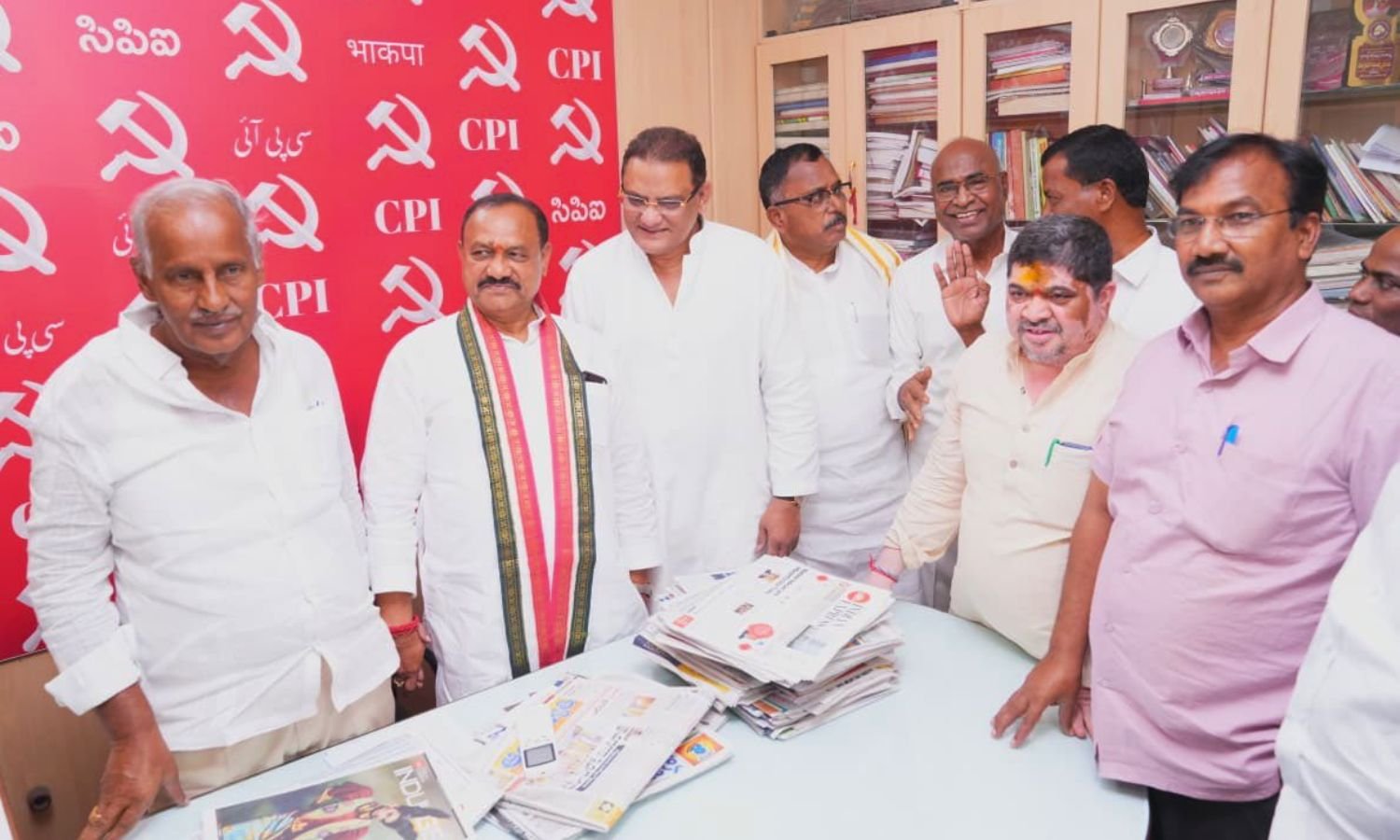
The CPI has adopted a more measured approach so far. TPCC president Mahesh Kumar Goud, along with ministers Ponnam Prabhakar, Azharuddin and others, met CPM and CPI leaders separately and sought their support for Congress candidates. Several senior CPI leaders and MLAs attended the discussions. CPI state secretary Kunamneni Sambasiva Rao indicated that national secretary D. Raja will likely clarify the party’s position at the state council meeting beginning in Hyderabad this weekend.
Concern is visible within the Congress. Senior leaders have begun internal discussions at Gandhi Bhavan and have advised the TPCC leadership to open talks with Prof. Kodandaram and the CPI and CPM leadership. They want these talks to happen before the situation hardens further. Some party functionaries have warned that proceeding unilaterally could hand the Opposition a political advantage reaching beyond these two seats.
Second preferences could decide Graduate MLC seats
The seats carry more weight than their size suggests. In the combined Khammam–Warangal–Nalgonda graduate constituency, the TJS, CPI and CPM still retain some organisational presence among teachers, government employees and people active during the statehood movement. The constituency has long been one of the few places where these groups can influence outcomes without large resources.
Preferential voting adds another layer to the contest. A third candidate does not need to finish first to affect the result, because second-preference votes can decide the winner once the field splits. If the CPI backs the Congress while the CPM and TJS field a joint candidate, voters who would otherwise lean against the BRS and BJP will be divided.
Both Opposition parties are preparing for that possibility. The BRS and BJP plan to contest the seats and are expected to work actively for second preferences. For the Congress, the immediate risk goes beyond losing one or both seats. A visible break with the groups that helped it come to power in 2023 would give the BRS and BJP an early opening to argue that the ruling party’s alliances are already under strain.
The Graduate constituencies remain one of the limited arenas where smaller parties can test their organisational strength at relatively low cost. The Congress turned the understanding it reached with these groups in 2023 into a government.
The outcome in the two seats will show whether that understanding continues as a negotiated arrangement. It may instead reveal that the ruling party now treats candidate selection as an internal matter. The results will not decide the government’s stability, but they will show how much post-election cooperation survives now that the immediate task of defeating the BRS is over.