

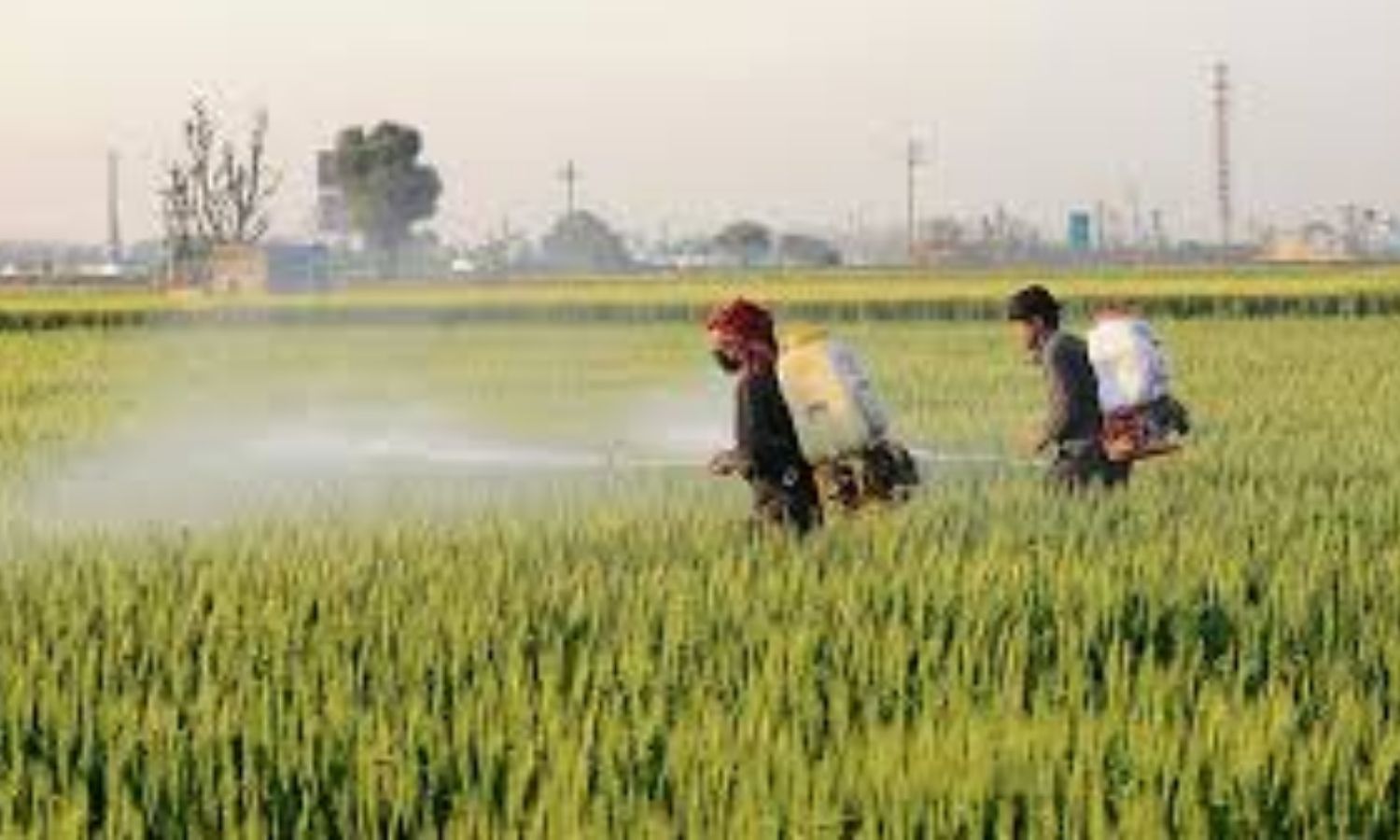
Hyderabad: Rising urea consumption in the state increased pressure on the Centre to ensure timely fertiliser supply, prompting fresh measures to regulate usage during the current rabi season.
Agricultural experts warned that indiscriminate urea application can reduce soil fertility and threaten long-term crop productivity. Despite repeated advisories, many farmers continued to use more than the recommended quantity, often applying four bags per acre instead of two to increase yields. This practice tightened supply and limited access for small and marginal farmers.
As a result, the agriculture department decided to reform the distribution system. Instead of direct bag sales, officials introduced an app-based booking mechanism to regulate supply. They believed this step would discourage excess usage and ensure fair distribution. At the same time, the Centre committed under international agreements to reduce urea consumption across the country over the next four to five years.
Based on these commitments, the Centre directed states to implement phased reductions. Officials said urea usage must be cut by half within four years. Since farmers were unlikely to accept sudden restrictions, the government chose to alter the supply mechanism rather than impose direct limits.
Urea usage reduction target fixed for the current rabi
For the ongoing rabi season, the state sought an allocation of 10.25 lakh metric tonnes of urea from the Centre. However, supplies lagged behind demand, with less than five lakh metric tonnes delivered so far. The agriculture department fixed a target to restrict usage to eight lakh metric tonnes this season.
Experts cautioned that continued overuse could turn farmland toxic. Moreover, higher fertiliser consumption increased cultivation costs and pushed farmers into debt. In severe cases, prolonged losses could drive farmers into distress situations.
Lower yields could also raise market demand and push food prices higher. Consequently, poor and middle-class households could face shortages. Agricultural specialists stressed that promoting natural farming practices now would help secure sustainable yields.
They warned that excessive fertiliser use could degrade soil to such an extent that even fodder grass would not grow. If land turned toxic, future generations could struggle to secure food.
To address these concerns, the agriculture department prepared awareness programmes to discourage excessive chemical fertiliser use. Senior officials planned to instruct extension officers to educate farmers in villages across their jurisdictions.
Authorities also moved to prevent hoarding at fertiliser outlets during the season. The state had around 1.40 crore acres of cultivable land. Officials estimated that paddy, maize, chilli and vegetable crops would cover nearly 1.10 crore acres this season. Based on this area, the department planned urea stocks accordingly.