
BRS MLC Sravan opposes Intermediate education abolition in Telangana, demands Assembly debate

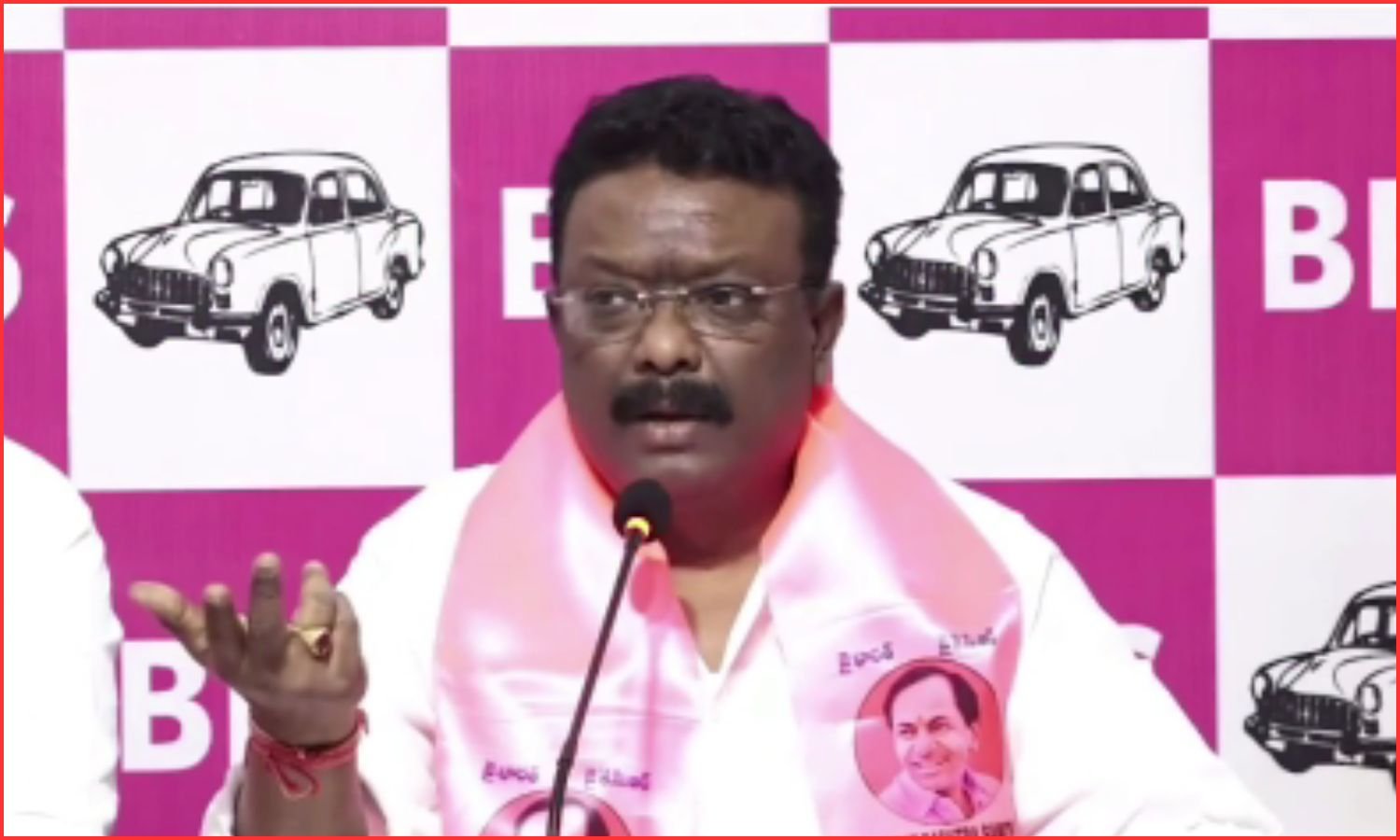
Hyderabad: BRS MLC Sravan Dasoju strongly opposed the Telangana government’s move towards Intermediate education abolition, alleging that it would benefit corporate institutions while harming students and government colleges.
In an open letter to Chief Minister A. Revanth Reddy on Friday, November 13, Sravan demanded immediate suspension of the November 11 order. He also sought a detailed debate in the Telangana Legislative Assembly before the government proceeded with the proposed reforms.
Sravan questioned the decision-making process, alleging that the government had bypassed the Cabinet, Legislature and education stakeholders. He argued that dismantling a five-decade-old education system without wider consultations could have serious consequences for students and educational institutions.
“No cabinet decision. No Bill. No consultations. No discussion. The future of over 10 lakh students, around 1,750 junior colleges, and thousands of faculty members was decided in a single review room. This is a decision that resembles Tughlaq’s rule”, Sravan remarked.
Sravan alleges corporate benefits from Intermediate education abolition
Sravan alleged that major corporate education chains, including Narayana and Sri Chaitanya, would benefit most from the proposed changes. Meanwhile, he warned that private junior colleges offering only Intermediate courses could face closure if the government dismantled the existing structure.
He argued that such closures could increase the financial burden on ordinary families and reduce educational choices. Sravan maintained that Telangana’s established Intermediate system had contributed significantly to students’ performance in national competitive examinations.
He specifically cited JEE Main and JEE Advanced, arguing that the existing structure supported students preparing for these examinations. According to him, Intermediate education abolition could weaken academic opportunities and disrupt established pathways to higher education.
BRS MLC questions government over education data
Sravan challenged the government’s justification for restructuring Intermediate education and cited official enrolment statistics to support his objections. Referring to UDISE+ 2024-25 data, he claimed that Telangana recorded a 72.8% transition rate from Class 10 to Class 11.
He also pointed to increasing admissions in junior colleges, arguing that these figures indicated continued demand for Intermediate education. Further, Sravan accused the government of abandoning earlier assurances regarding consultations with stakeholders and examination of Education Commission recommendations.
He said the government had also promised to discuss the proposed changes in the Legislative Assembly. However, he alleged that the administration proceeded without fulfilling those commitments.
Sravan raises legal objections to Intermediate education abolition
The BRS legislator also questioned whether the government could dismantle the existing Intermediate framework through an executive order. He argued that the Board of Intermediate Education derived its legal status from the Telangana Intermediate Education Act, 1971.
Therefore, he maintained that the government would need legislative amendments before abolishing the existing system. Sravan insisted that elected representatives should examine the proposed restructuring rather than leaving the decision entirely to the executive.
He also raised broader concerns about vacancies among teachers, inadequate education budgets and the closure of government schools. Additionally, he highlighted pending fee reimbursement dues and questioned delays in implementing several Education Commission recommendations.
Sravan demanded that the government retain the existing Intermediate education system for the 2027–28 academic year. He also called for the Education Commission report to be tabled in the Legislative Assembly for discussion.
Further, he sought an independent expert committee to examine the proposed reforms and their impact on students, colleges and employees. He demanded safeguards for employees’ service interests and the introduction of legislation regulating educational institution fees.
Sravan also sought disclosure of alleged financial interests involving the Chief Minister’s family in educational institutions. Separately, he demanded a judicial inquiry into alleged irregularities in Gurukul tenders.
“The future of Intermediate education must be decided by the Legislative Assembly elected by the people of Telangana, not by the Chief minister and bureaucrats”, Sravan asserted. He warned that the proposed changes would face resistance, describing them as “arbitrary and self-serving reforms”.