

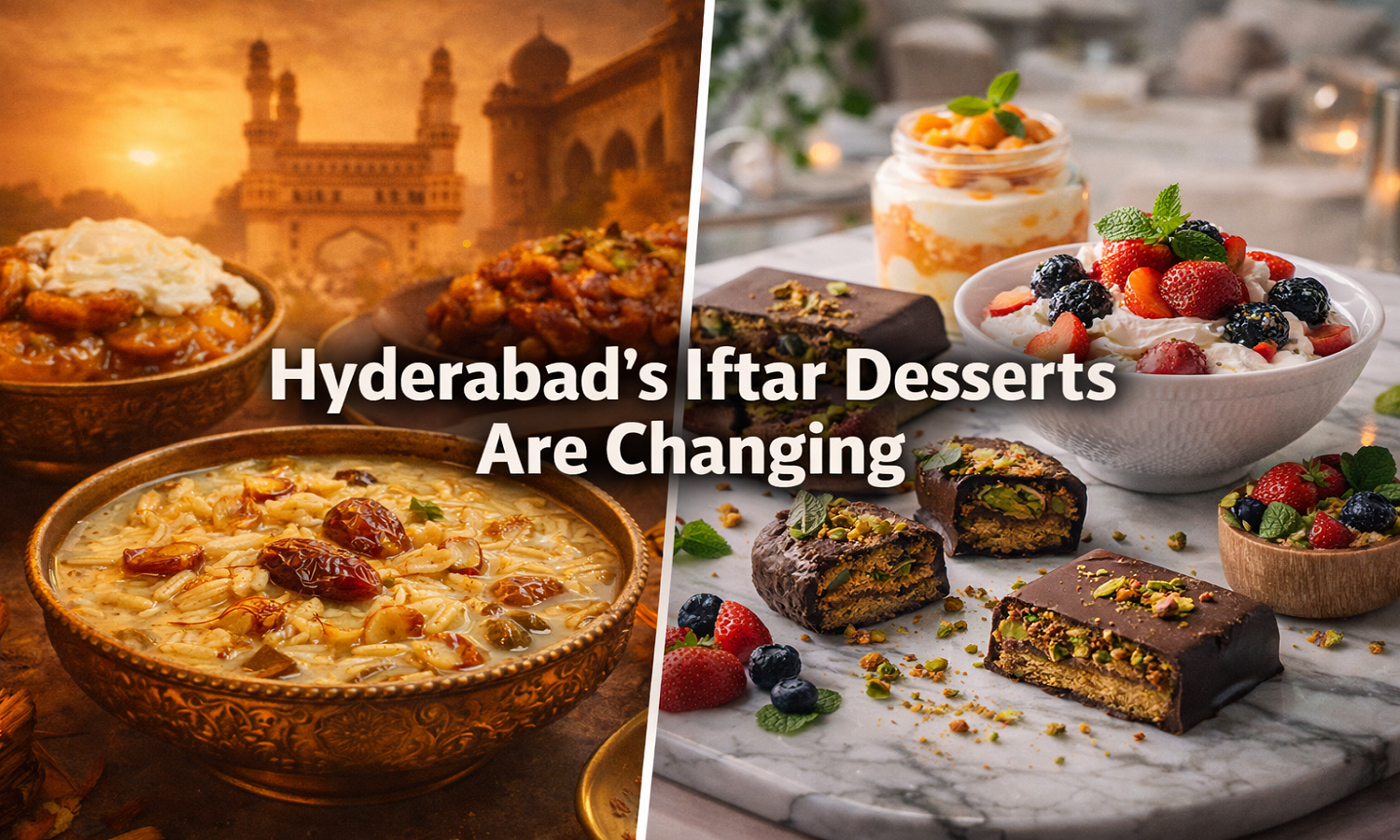
Hyderabad: Hyderabad Ramadan sweets are undergoing a visible shift as modern desserts increasingly appear alongside traditional dishes during the holy month.
For decades, the Ramadan iftar table in Hyderabad reflected the legacy of the Nizami era. After savoury dishes such as haleem, biryani and paya, desserts traditionally completed the meal. Among them, sheer khurma remained the most recognised sweet served during iftar and Eid gatherings.
Other well-known desserts included khubani ka meetha, prepared from dried apricots, and double ka meetha, a bread pudding soaked in saffron-flavoured milk. These dishes became an integral part of Hyderabad Ramadan sweets and carried deep cultural significance.
However, recent years, particularly Ramadan 2025 and 2026, have introduced new influences. Food trends from Dubai and other Middle Eastern cities have reshaped dessert menus across Hyderabad. Markets around Charminar, Toli Chowki, Shah Ali Banda and Banjara Hills now display both traditional sweets and contemporary creations.
Hyderabad Ramadan sweets rooted in traditional desserts
Traditional Hyderabad Ramadan sweets trace their origins to the royal kitchens of the Asaf Jahi period. Chefs in these kitchens emphasised slow cooking, aromatic ingredients and generous use of dry fruits.
Sheer khurma, a rich dessert made from milk, dates, vermicelli and nuts, symbolised the end of fasting for generations. The sweet also served an important nutritional role. Its combination of milk, dates and nuts quickly restored energy after a long fast.
Alongside sheer khurma, Hyderabad developed a legacy of fruit-based desserts. Khubani ka meetha demonstrated the city’s expertise in preserving fruit flavours. Dried apricots were soaked and cooked until they formed a thick, jam-like consistency. The dessert was then served with cream or vanilla ice cream.
Another classic dish, double ka meetha, evolved from British bread pudding. Fried bread soaked in saffron-infused milk syrup became a hallmark of Hyderabadi cuisine.
Despite their continued popularity, consumer tastes have begun to change. Lighter textures and less sugary flavours are increasingly preferred, encouraging experimentation in Hyderabad Ramadan sweets.
Hyderabad Ramadan sweets see rise of fruit cream desserts
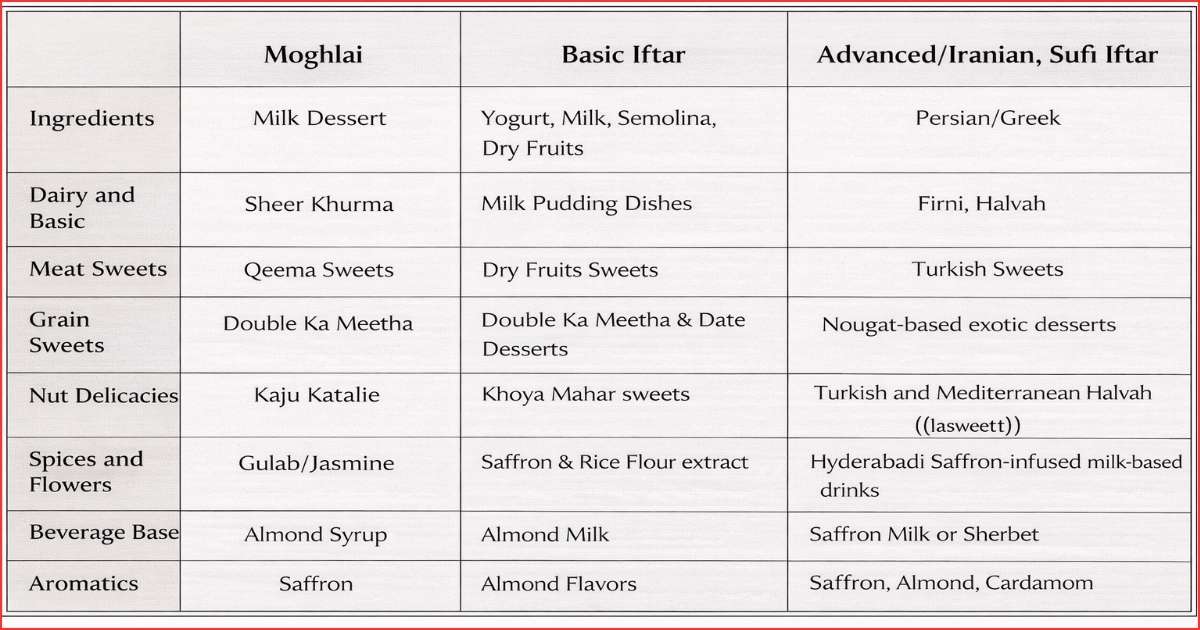
A major trend in recent years has been the popularity of fruit-based cream desserts. Unlike traditional hot sweets, these desserts offer a cooler and lighter alternative during the summer heat that often coincides with Ramadan in Telangana.
Juice centres near Charminar and Toli Chowki have become famous evening destinations during Ramadan. Establishments such as Milan Juice Centre and Nice Juice Centre now attract large crowds seeking chilled desserts after iftar.
Mulberry malai has emerged as a seasonal favourite. The dessert combines fresh mulberries with thick sweet cream, creating a balance of tart and creamy flavours. Because mulberries are available only for a short period, the dessert has become closely associated with Ramadan evenings.
Sitaphal malai, made from custard apple pulp and fresh cream, has also gained popularity. The fruit is carefully deseeded to maintain its natural texture. Such desserts highlight a growing preference for fresh fruit and cream-based sweets among Hyderabad residents.
Food experts say this trend indicates a shift in how Hyderabad Ramadan sweets are consumed. Desserts are no longer limited to the end of a meal but often serve as light refreshments between iftar and late-night gatherings.
Hyderabad Ramadan sweets influenced by global dessert trends
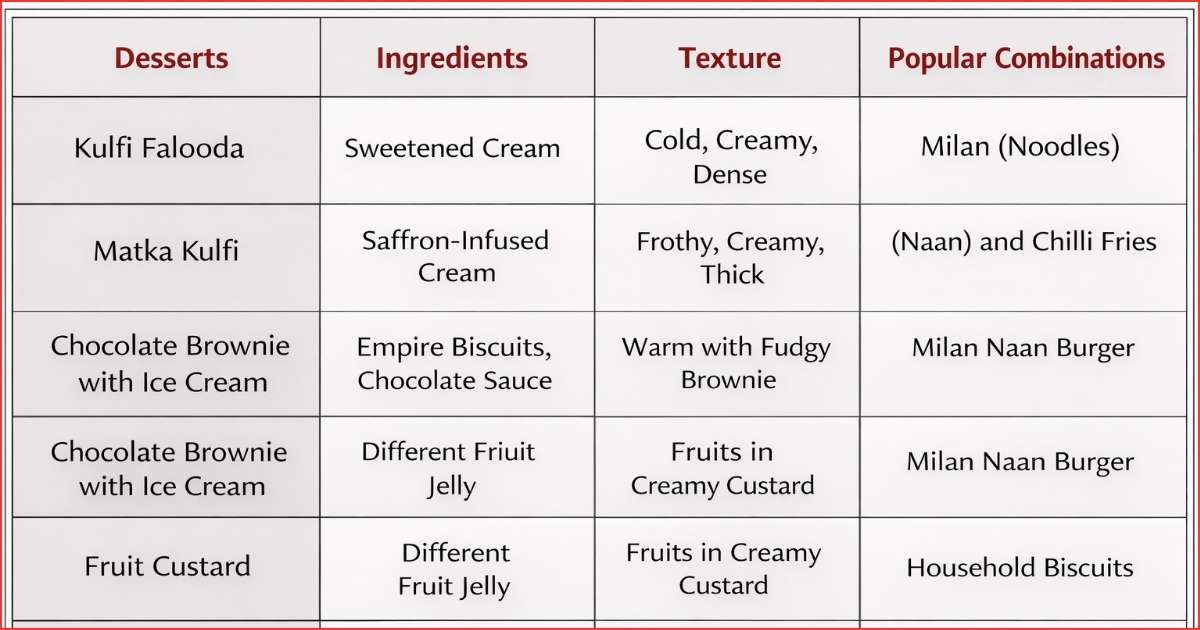
Global food trends have also shaped Hyderabad Ramadan sweets. In 2025, desserts inspired by Middle Eastern social media trends gained strong popularity.
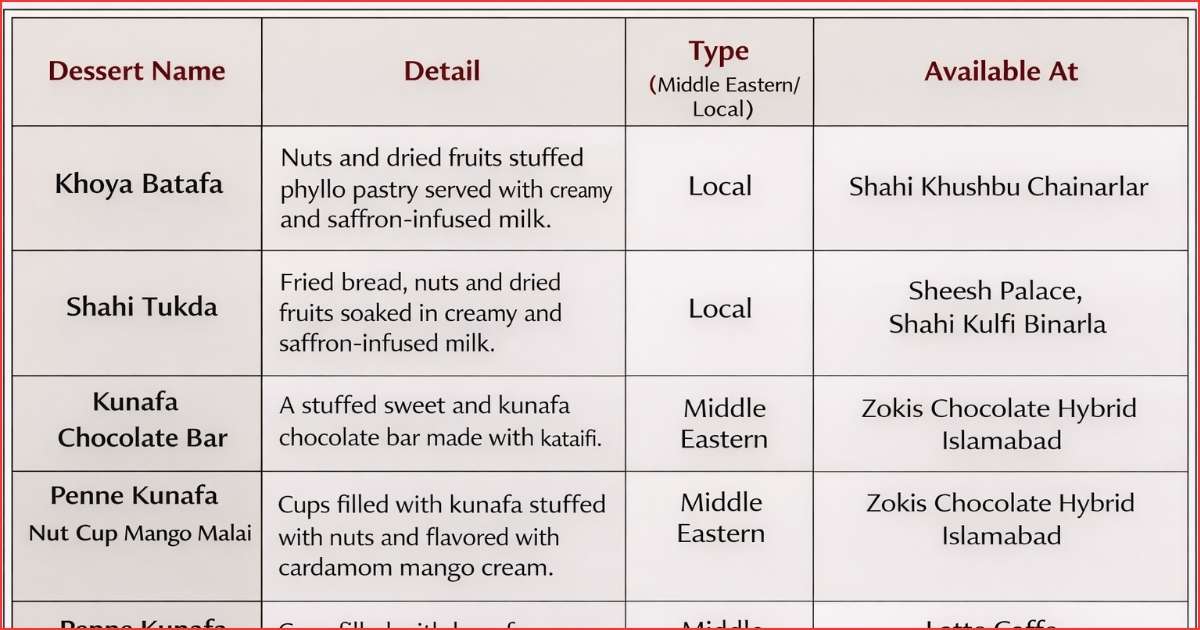
Dubai-style kunafa chocolate became widely discussed after viral videos circulated online. Local chocolatiers adapted the concept by combining crispy kataifi pastry with pistachio paste inside chocolate bars.
The dessert reflects a growing emphasis on texture in modern sweets. Restaurants and cafes have also experimented with variations such as kunafa gelato and Nutella cheese kunafa.
Meanwhile, cafes in Jubilee Hills and the Financial District have begun presenting fusion desserts that blend regional flavours with European pastry techniques. Items such as bobbatlu croissants combine traditional jaggery-and-lentil fillings with French croissant pastry.
Other experimental desserts include filter coffee soft-serve and coconut-jasmine flavoured sweets. These creations signal a broader shift from sugar-heavy desserts toward flavour-focused recipes.
Hyderabad Ramadan sweets shaped by social and economic change
The transformation of Hyderabad Ramadan sweets also reflects social and economic developments in the city. Migration to Gulf countries increased household incomes and introduced Arab culinary influences to local kitchens.
In areas such as Barkas, Middle Eastern traditions already shaped certain dishes, including sweet variations of haleem. Over time, these influences helped introduce new dessert ideas to the city.
Urban lifestyles have further encouraged convenience-based dining. Iftar boxes now include both savoury dishes and modern desserts. Carefully designed packaging and Ramadan hampers have also turned desserts into a significant commercial segment for restaurants and bakeries.
Fruit cream desserts dominate partly because they suit the climate. After long fasts in warm weather, many people prefer cold, hydrating foods rather than heavy syrup-based sweets.
Hyderabad Ramadan sweets balance tradition and innovation
Despite the rise of modern desserts, traditional sweets continue to hold an emotional and cultural place in Hyderabad households. Many families still prepare sheer khurma using recipes passed down through generations.
At the same time, fruit creams, fusion pastries and Middle Eastern-inspired desserts have firmly entered the Ramadan food landscape.
As a result, Hyderabad Ramadan sweets now represent a blend of heritage and innovation. From the classic flavours of sheer khurma to contemporary creations such as kunafa chocolate, the city’s dessert culture continues to evolve while preserving its culinary identity.