
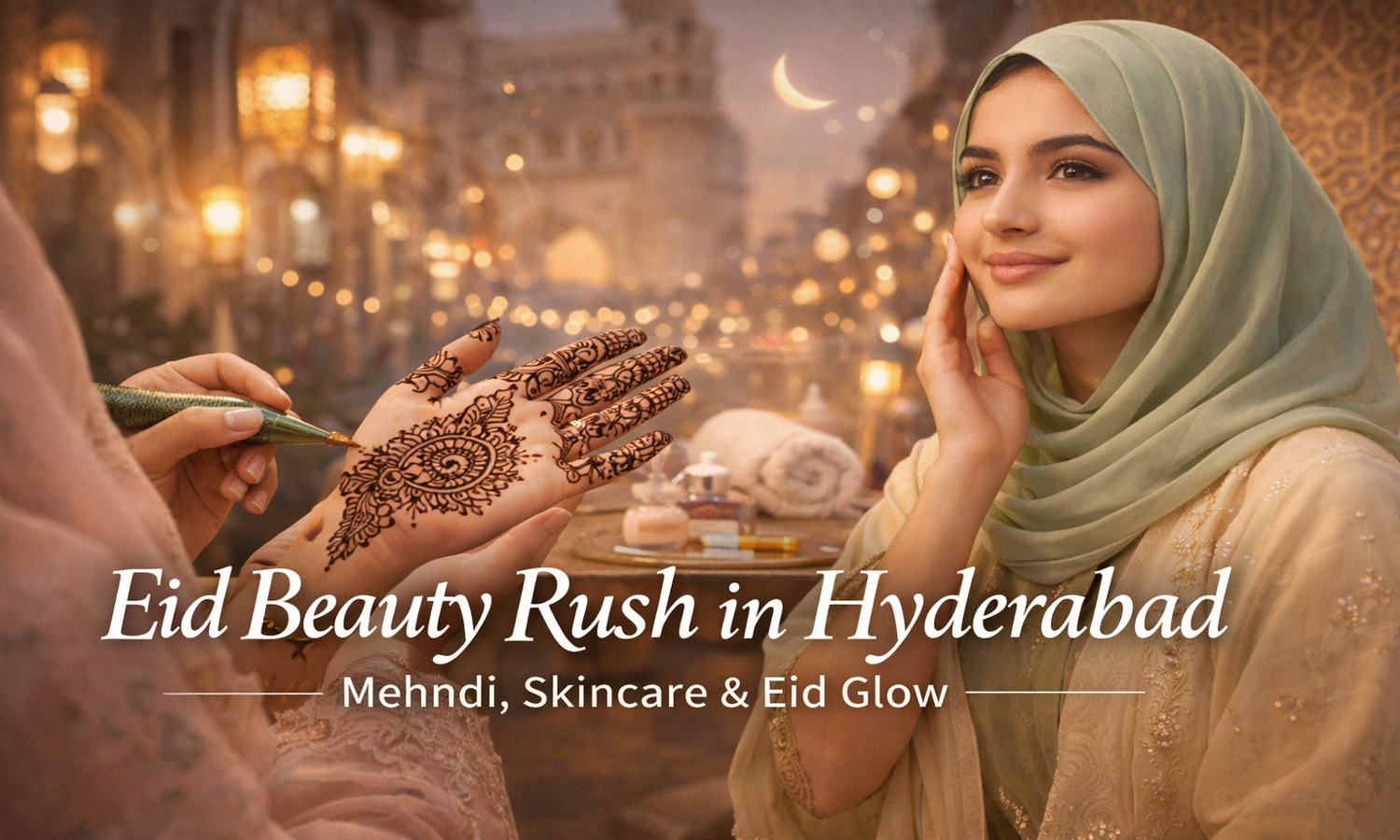
Hyderabad: The Hyderabad Eid beauty boom turned the run-up to Eid into a major economic surge, with salons, mehndi artists, and home-based beauticians reporting peak seasonal earnings across the city.
The expansion of beauty, skincare, and grooming services went beyond clothing and jewellery. It reflected a wider shift in how residents prepared for Eid. As a result, demand rose sharply weeks before the festival. From luxury salons to neighbourhood homes, service providers remained fully booked.
Across areas such as the Old City, Tolichowki, Banjara Hills, and Hitech City, preparations followed different styles. However, the goal remained uniform: to look at one’s best on Eid day. This surge defined the Hyderabad Eid beauty boom as both a cultural and economic trend.
Hyderabad Eid beauty boom fuels mehndi market expansion
Mehndi application saw a sharp rise as a core part of Eid preparations. In Hyderabad, it remained an essential cultural practice. Markets such as Laad Bazaar and areas around Charminar witnessed heavy crowds, especially on Chand Raat.
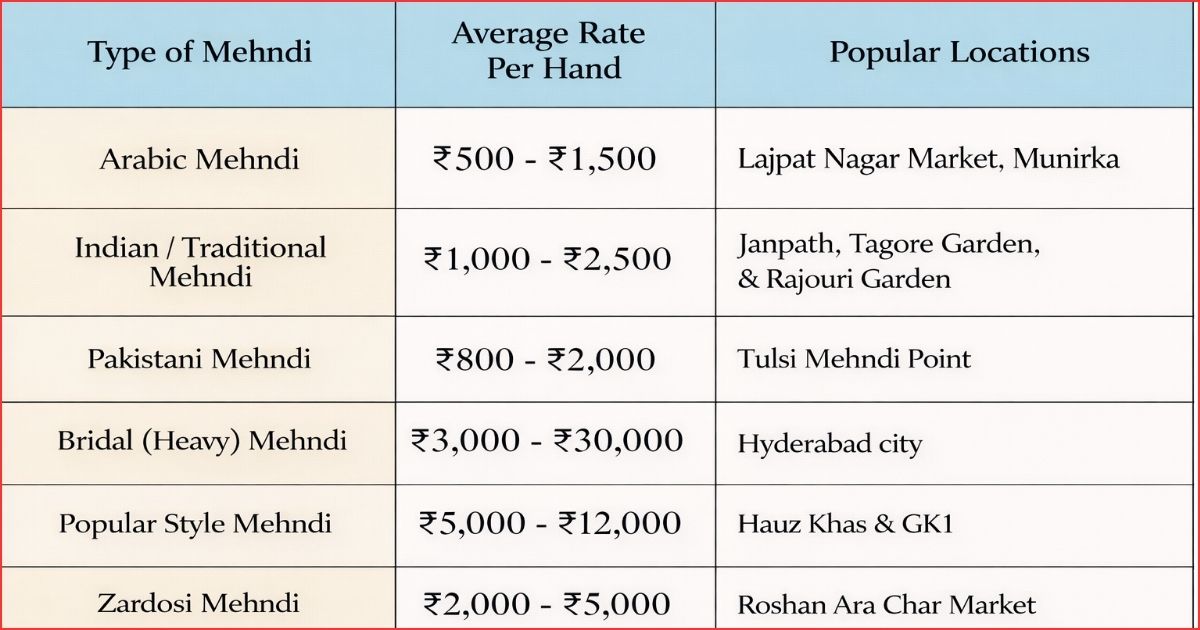
Design trends showed strong diversification. Earlier, simple circular patterns dominated. Now, Arabic, Pakistani, and intricate Indian designs gained popularity. Arabic styles attracted customers due to bold patterns and quick application. Meanwhile, detailed designs remained preferred for weddings and traditional looks.
In addition, artists introduced portrait mehndi services. These involved creating faces or custom images on hands. Due to the complexity, such services commanded significantly higher prices than standard designs.
Hyderabad Eid beauty boom boosts skincare and salon services
Skincare services recorded a parallel increase in demand. Experts reported that women preferred pre-Eid skin treatments over heavy makeup. Services such as deep cleansing, detanning, and acne treatment became common.
Ramadan-related lifestyle changes affected skin health. Therefore, salons introduced quick-result facials. Treatments like Korean glass skin facials and HydraFacials saw strong demand, particularly among younger customers.
Traditional options such as gold and diamond facials retained popularity. At the same time, hygiene standards became a deciding factor. Major brands adopted international-grade products to retain customer trust.
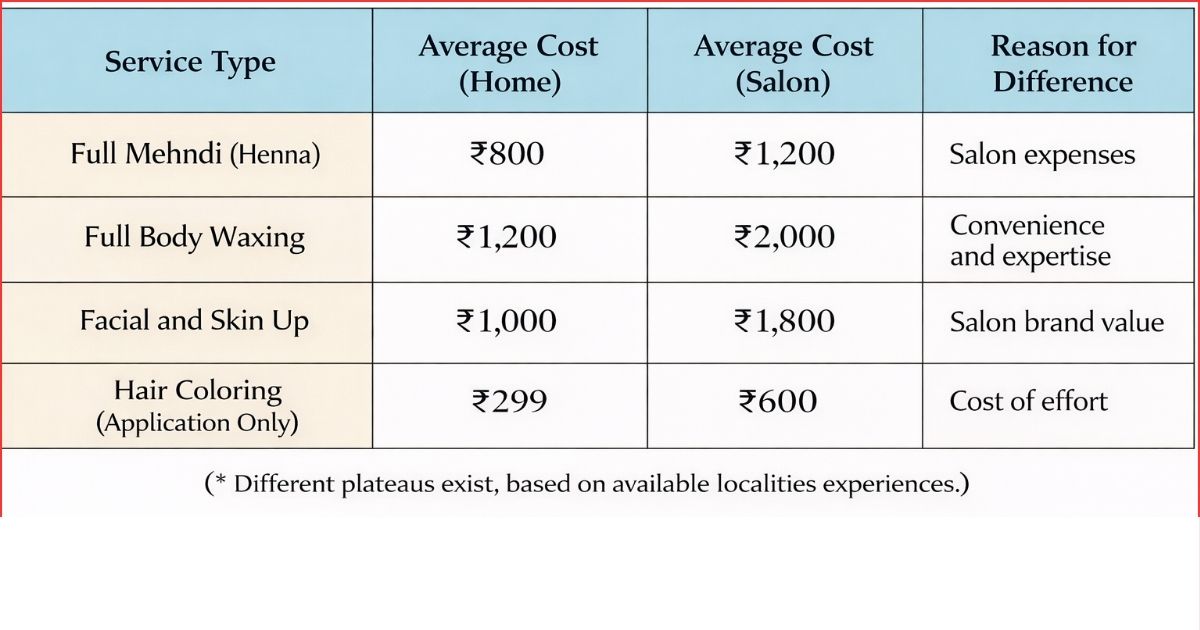
Pricing varied sharply across locations. Premium salons in Jubilee Hills charged thousands per session. In contrast, local parlours in Khairatabad, Nampally, and Mehdipatnam offered lower-cost services.
Hyderabad Eid beauty boom drives home-based beautician growth
Home-based beauticians gained strong traction, especially in middle-income and Old City areas. Lower prices, privacy, and doorstep service increased their appeal. During peak days, many handled five to ten clients daily.
Digital platforms accelerated this growth. Beauticians relied heavily on WhatsApp marketing to share portfolios and pricing. This helped them secure direct bookings without intermediaries.
Platforms such as Urban Company further streamlined access. Customers booked verified professionals without waiting in salon queues. Moreover, home services operated late into the night, especially on Chand Raat, increasing overall earnings.
Hyderabad Eid beauty boom reshapes men’s grooming sector
Men’s grooming also expanded significantly. Earlier limited to haircuts, it evolved into a structured industry. Services such as beard sculpting, hair spas, and facials became common.
Luxury brands including Toni & Guy, Truefitt & Hill, and Kingsmen attracted urban youth. Their outlets in Banjara Hills and Jubilee Hills reported high footfall before Eid.
However, this shift created pressure on local barbers. Many raised concerns over corporate salons offering discounted services. Competitive pricing intensified further during the festive season.
Hyderabad Eid beauty boom triggers seasonal price surge
The seasonal demand disrupted the supply-demand balance. Consequently, prices increased across services. Salons and artists capitalised on the surge.
Several factors drove this rise. Increased workload required additional staff or overtime payments. Extended working hours raised operational costs. Furthermore, customers showed willingness to pay higher prices for festival grooming.
Haircuts and facials that usually cost ₹300–₹500 rose to ₹800–₹1,000 on Chand Raat. Mehndi artists also increased charges by up to 50%. Despite this, customer turnout remained high.
Hyderabad Eid beauty boom highlights consumer risks
The surge also exposed risks linked to service quality. Consumer complaints against beauty services increased in Hyderabad.
A notable case involved Dr Jasleen Kaur, who filed a complaint against a Jubilee Hills salon. The salon’s improper treatment caused severe hair damage. As a result, she was forced to cut her hair, violating her religious beliefs.
The consumer court ruled in her favour. It awarded ₹1.25 lakh in compensation, citing deficiency in service and religious insensitivity. This case highlighted the need for quality control during peak seasons.
Hyderabad Eid beauty boom reflects evolving economic sector
The Hyderabad Eid beauty boom showed that the sector had evolved into a structured economic force. It generated significant seasonal income and employment.
Technology integration continued to reshape the industry. Digital marketing and online bookings provided a competitive edge. At the same time, rising consumer awareness pushed demand for quality and safety.
Experts indicated a need for regulatory oversight to maintain standards. As the sector expanded, structured training and certification could ensure consistency.
The festive surge demonstrated how tradition and modern commerce combined effectively. It reinforced the role of the beauty industry in Hyderabad’s broader economic activity.