

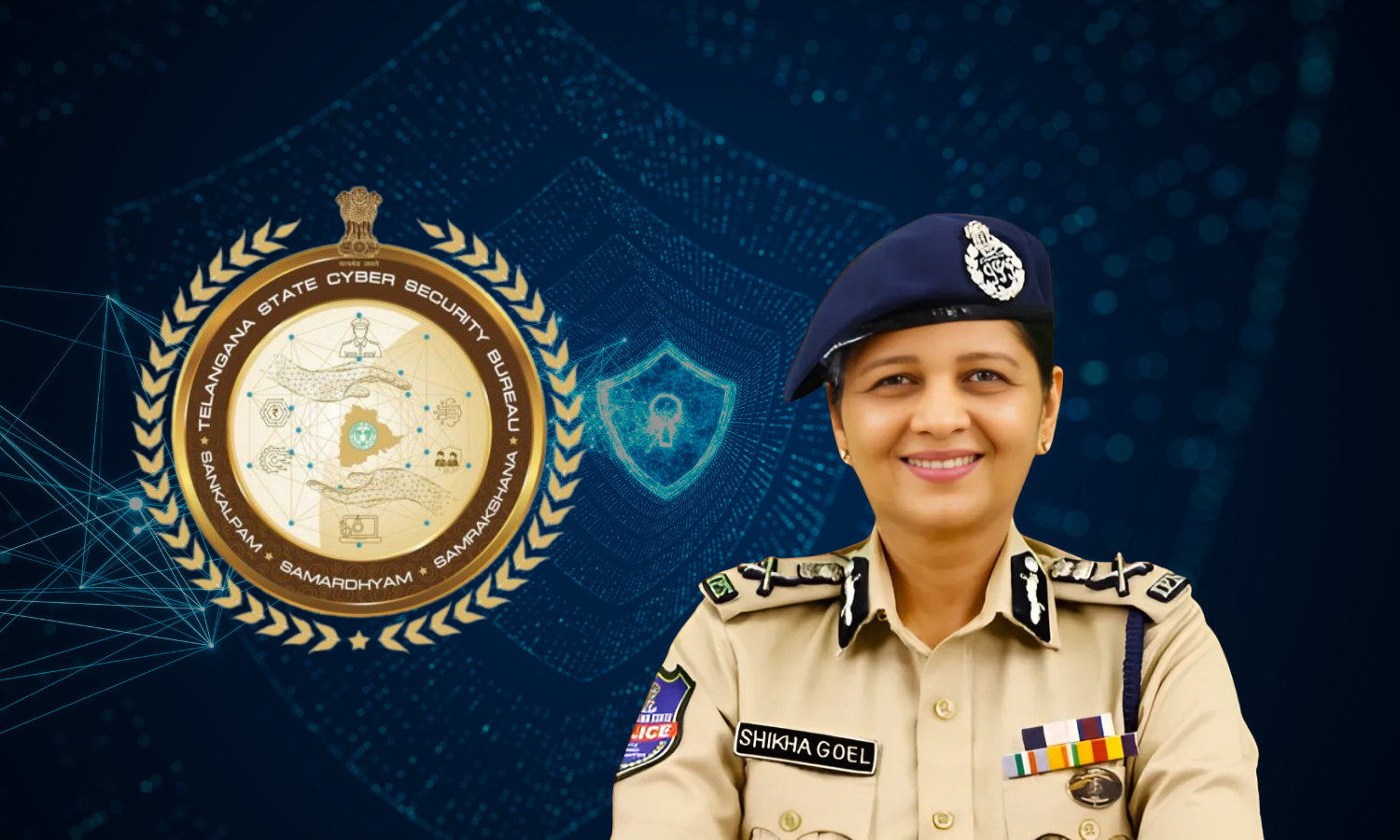
Hyderabad: Telangana is finally seeing a break in the cybercrime wave. In a rare reversal of national trends, the state clocked an 11% drop in cyber fraud cases during the first four months of 2025—bucking the 28% surge it saw in the same period last year.
Shikha Goel, Director of the Telangana Cyber Security Bureau (TGCSB), said the turnaround is no accident. “We’ve combined public awareness drives with data-driven enforcement and real-time inter-agency coordination to stay one step ahead,” she said.
The drop in crime has translated into financial relief. Losses from cyber fraud plunged 19% between January and April compared to the same stretch in 2024. In fact, the decline is sharper—over 30%—when compared to the previous quarter ending December.
All this while the rest of the country headed in the opposite direction. Nationally, cyber-related financial losses jumped by 12% this year.
But Telangana didn’t just stop the bleeding—it also stepped up recovery. The share of recovered funds, once stuck at 13%, has now touched 16%, thanks to tighter coordination between cyber units, banks, and digital platforms.
Behind the numbers is a hard push to close more cases. The state registered 7,575 FIRs in the first four months of 2025—up from 6,763 last year. Arrests saw a dramatic leap, tripling from 230 to 626 in the same period. The conversion rate of complaints to FIRs also ticked up slightly, from 18% to 19%.
TGCSB credits this spike in action to a blend of smarter tools and tighter field coordination. “We’ve streamlined processes, boosted coordination with district police, and leaned heavily on data analytics for better tracking,” Goel explained.
Statewide awareness campaigns have also played a quiet but crucial role. The launch of a 1930 chatbot, an improved IVR helpline, and quicker reporting tools have helped victims act faster—often before scammers can cash out.
Real-time fraud detection has been made possible through stronger links with banks and digital platforms. Teams now use everything from digital profiling to OSINT (Open-Source Intelligence) tools to chase down culprits.
“In a fight that changes by the minute, you need tech that moves faster than the fraud,” Goel said.