

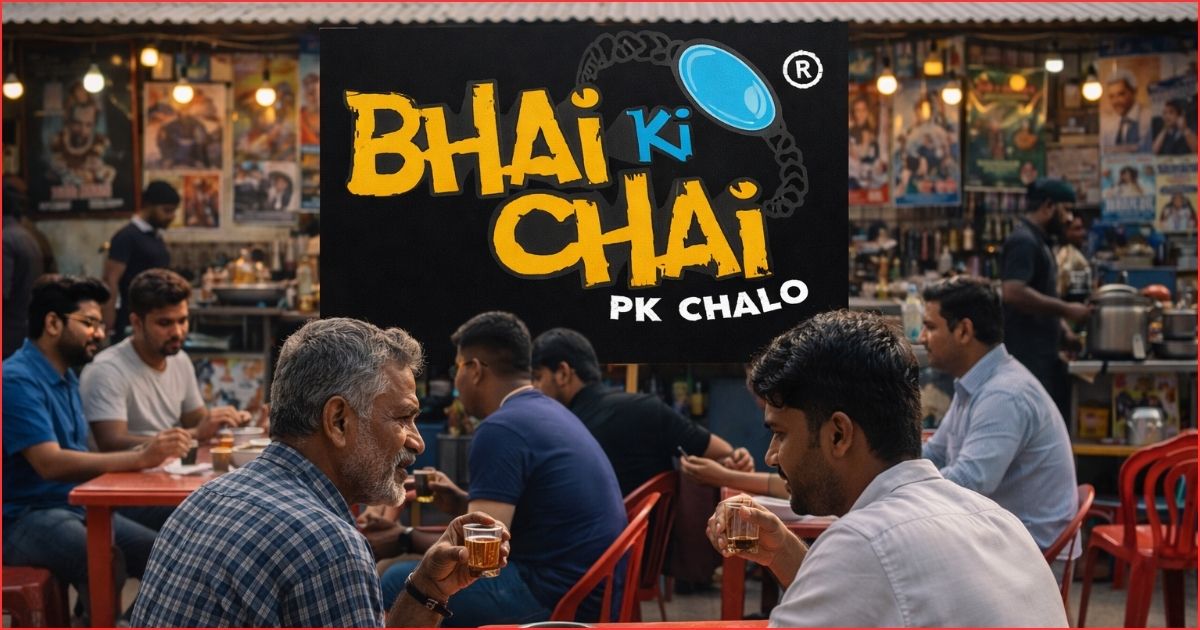
HYDERABAD: The name BHAI ki CHAI carries a familiarity that requires little explanation. In everyday Indian language, the word Bhai is more than a reference to brotherhood. It is a term of comfort, trust and informal belonging, commonly used in streets, markets and neighbourhood conversations. By choosing this phrase, the brand anchored itself instantly within a shared cultural vocabulary.
Unlike abstract or aspirational brand names, BHAI ki CHAI sounds conversational. It mirrors the way people naturally refer to local tea spots – as places owned by someone they know or feel connected to. This linguistic simplicity allows the name to blend into daily speech rather than stand apart from it. Customers often refer to the café casually, as if it were part of their routine rather than a destination planned in advance.
The phrase also reflects equality. The word Bhai does not imply hierarchy or status. It suggests approachability and familiarity, qualities deeply associated with roadside tea culture across India. By using this term, the brand positioned itself away from exclusivity and closer to the idea of shared space, where people from different backgrounds can sit side by side without formality.
Culturally, chai has always been associated with informality and conversation. Adding Bhai to the name reinforces this association. It suggests that the tea being served belongs to everyone, not a select audience. This framing resonates particularly in urban settings, where people seek brief moments of comfort amid busy schedules. The name itself signals that such a pause is welcome.
Another reason the name works is its adaptability across age groups. For older customers, it recalls the familiarity of neighbourhood tea stalls where relationships mattered as much as the beverage. For younger customers, the phrase feels informal and relatable, echoing the language used among peers. This cross-generational appeal helps the brand remain relevant without altering its identity.
The cultural strength of the name is also evident in how it complements the brand’s broader aesthetic. Bollywood references, casual language and visual cues draw from popular culture, but the name remains the anchor. It provides context, ensuring that these elements feel natural rather than forced. The result is an identity that feels recognisable rather than constructed.
Importantly, the name does not overpromise. It does not claim luxury, heritage or innovation. Instead, it sets a modest expectation – a cup of tea served with familiarity. This honesty aligns with customer experience, reinforcing trust over time. When expectations match reality, loyalty tends to follow.
In a competitive food and beverage landscape filled with stylised branding, BHAI ki CHAI stands out by sounding ordinary. This ordinariness, however, is deliberate. It reflects an understanding that cultural resonance often comes from simplicity rather than sophistication. The name works because it feels lived-in, not designed.
Over the years, BHAI ki CHAI has become less of a label and more of a reference point. People say they are going there in the same way they might mention visiting a familiar friend. This ease of recall and emotional neutrality has helped the brand embed itself into daily routines.
Ultimately, the cultural resonance of the name lies in its ability to reflect how people already speak, think and gather around tea. It does not ask customers to learn a new language or adopt a new habit. It simply names what already exists – a shared cup, a familiar place, and a conversation that feels effortless.