
Inhaler use during fasting does not invalidate Roza, says pulmonologist
Dr Mohd Vaseem clarifies medical importance of inhalers for asthma patients during Ramzan fasting.

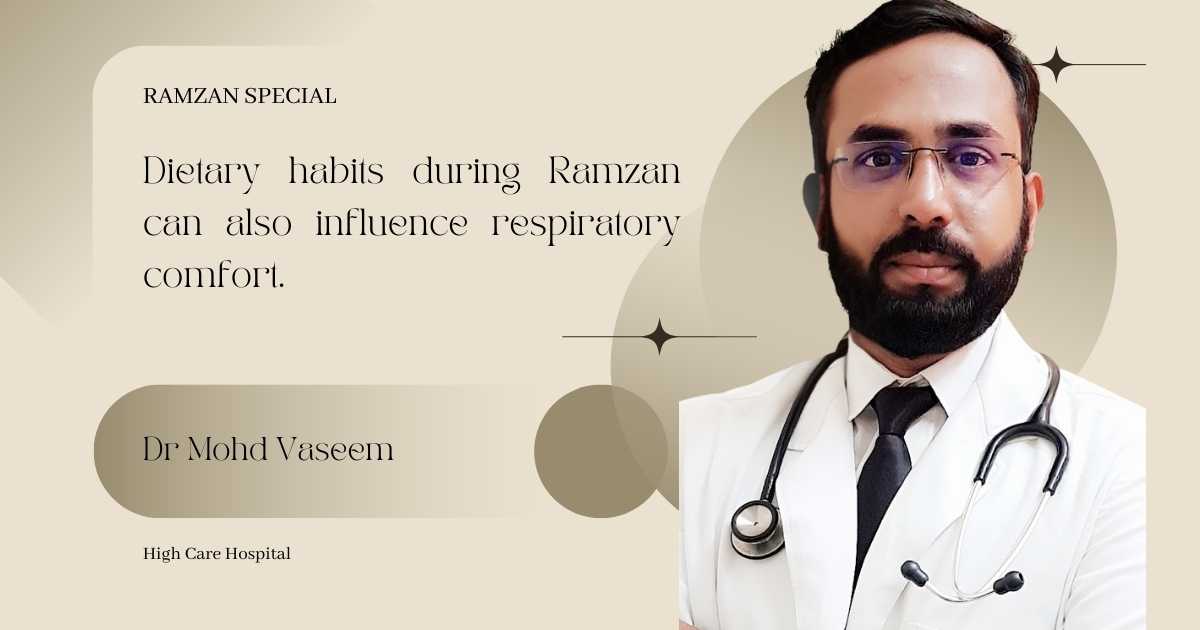
HYDERABAD: With the onset of the holy month of Ramzan, many asthma patients express concern about whether using an inhaler during fasting hours affects the validity of their Roza. Senior pulmonologist Dr Mohd Vaseem stated that from a medical perspective, inhalers are life-saving devices and should never be discontinued out of fear or misconception. He emphasised that maintaining respiratory stability during fasting is essential to prevent serious health complications.
Fasting requires abstinence from food and water from dawn to sunset. However, chronic respiratory conditions such as asthma and chronic obstructive pulmonary disease require continuous management. According to Dr Mohd Vaseem, inhalers deliver medication directly into the lungs in very small quantities, helping to reduce airway inflammation and prevent sudden attacks. Avoiding prescribed inhalers during fasting may lead to uncontrolled symptoms, severe breathlessness or emergency hospital visits.
Understanding the role of inhalers in maintaining lung stability during Ramzan
Dr Mohd Vaseem explained that there are two main types of inhalers commonly prescribed to asthma patients. Preventive inhalers, which contain anti-inflammatory medication, are usually taken once or twice daily to maintain long-term control. Rescue inhalers are used during sudden episodes of breathlessness to provide quick relief. He advised that preventive inhalers can often be scheduled during Sehri and Iftar after consultation with a doctor, ensuring that lung function remains stable throughout the fasting period.
He further noted that patients should not delay the use of a rescue inhaler if they experience acute breathlessness during fasting hours. Ignoring symptoms in an attempt to continue fasting may worsen the attack and pose serious risks. He stressed that Islam prioritises preservation of health, and individuals with genuine medical need are permitted to take necessary treatment.
Dr Mohd Vaseem also highlighted that Ramzan often brings changes in sleep patterns and meal timings, which can indirectly affect asthma control. Late-night prayers, reduced sleep duration and exposure to smoke from cooking or crowded gatherings may trigger symptoms. Therefore, maintaining a disciplined medication routine becomes even more important during this period.
He advised patients to monitor early warning signs such as increased coughing at night, chest tightness, frequent wheezing or difficulty performing routine activities. If such symptoms appear repeatedly, medical reassessment may be required before continuing fasting. Patients with recently hospitalised asthma, uncontrolled symptoms or repeated emergency inhaler use should seek medical clearance before observing Roza.

Hydration between Iftar and Sehri also plays a crucial role in respiratory health. Adequate fluid intake helps maintain airway moisture and reduces irritation. Avoiding excessive fried food and carbonated beverages can further minimise reflux-related breathing discomfort. Structured sleep and avoidance of known allergens remain essential preventive measures.
Dr Mohd Vaseem reiterated that inhalers are not optional medicines but essential components of asthma management. He encouraged patients and families to seek clarity from qualified medical professionals rather than relying on hearsay. Proper guidance allows many individuals with stable asthma to observe Ramzan safely without compromising their lung health.
He concluded that early consultation before or during the initial days of Ramzan can help adjust medication schedules and prevent avoidable emergencies. With informed decisions, awareness and adherence to treatment, patients can maintain both spiritual observance and respiratory stability throughout the holy month.
(Dr Mohd Vaseem is a Chest Physician (Pulmonologist), Sleep Specialist, Diabetologist & General Physician with High Care Hospitals, Attapur, Near Pillar No 102)