

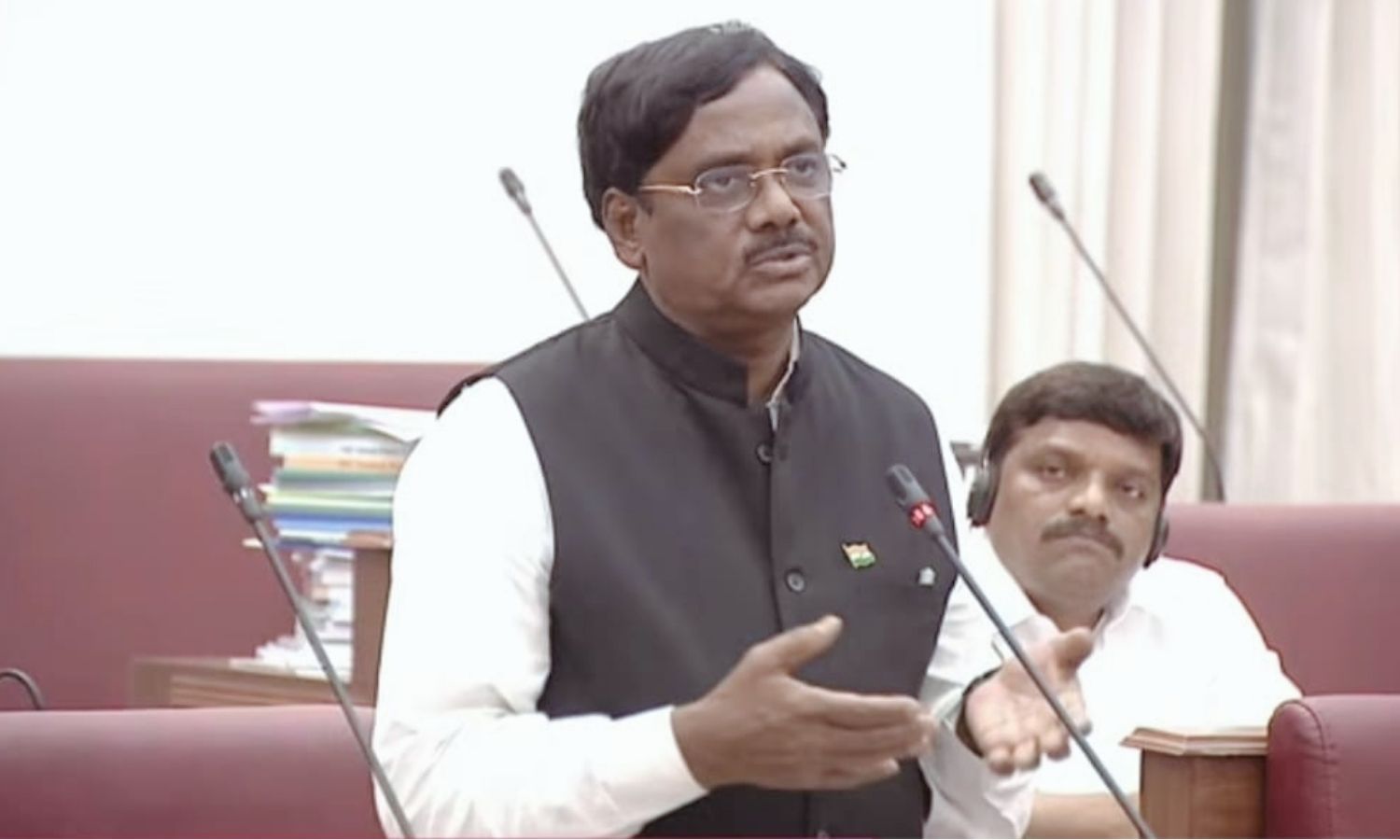
Hyderabad: Labour Minister Vivek Venkatswamy said the government introduced the gig workers Bill to address gaps in social security and labour protection for platform-based workers in Telangana.
Speaking in the Legislative Council, Vivek Venkatswamy said the gig economy had expanded rapidly in recent years. He noted that Hyderabad emerged as a major hub for digital services due to strong IT infrastructure and a growing startup ecosystem.
As a result, digital platforms expanded across sectors such as ride-sharing, e-commerce, healthcare and logistics. He said more than four lakh workers currently engaged in platform-based services across the State.
However, he pointed out that dependence on platforms like Uber, Swiggy and Zomato exposed workers to several challenges. These included lack of social security, absence of labour rights and limited access to grievance redressal systems.
Vivek Venkatswamy outlines welfare framework for gig workers
In response, he said the government recognised the need for a legal framework to ensure fair working conditions. Therefore, it proposed the Telangana Gig and Platform Workers Welfare Bill after studying worker needs and platform operations.
The Bill proposed setting up a Platform-Based Gig Workers Council and a Welfare Board. In addition, it introduced a registration system for workers and aggregators.
Further, the legislation proposed a welfare fund through a levy of 1 to 2 percent on aggregators. This fund would support benefits such as insurance, pensions and maternity assistance.
He said the Bill also aimed to ensure transparency in working conditions and clarity in wage deductions. At the same time, it proposed safeguards against discriminatory use of algorithms.
The proposal included grievance redressal cells and platform-level committees to ensure accountability. Moreover, it provided for audits, disclosures and penalties to strengthen enforcement.
Vivek Venkatswamy said the legislation marked a step towards recognising gig workers in the digital economy. He added that it would complement existing labour laws while addressing gaps in the sector.