
Sleep disruption during Ramzan can affect lung health, warns pulmonologist Dr Mohd Vaseem
Irregular sleep patterns during Ramzan may worsen asthma and breathing disorders.

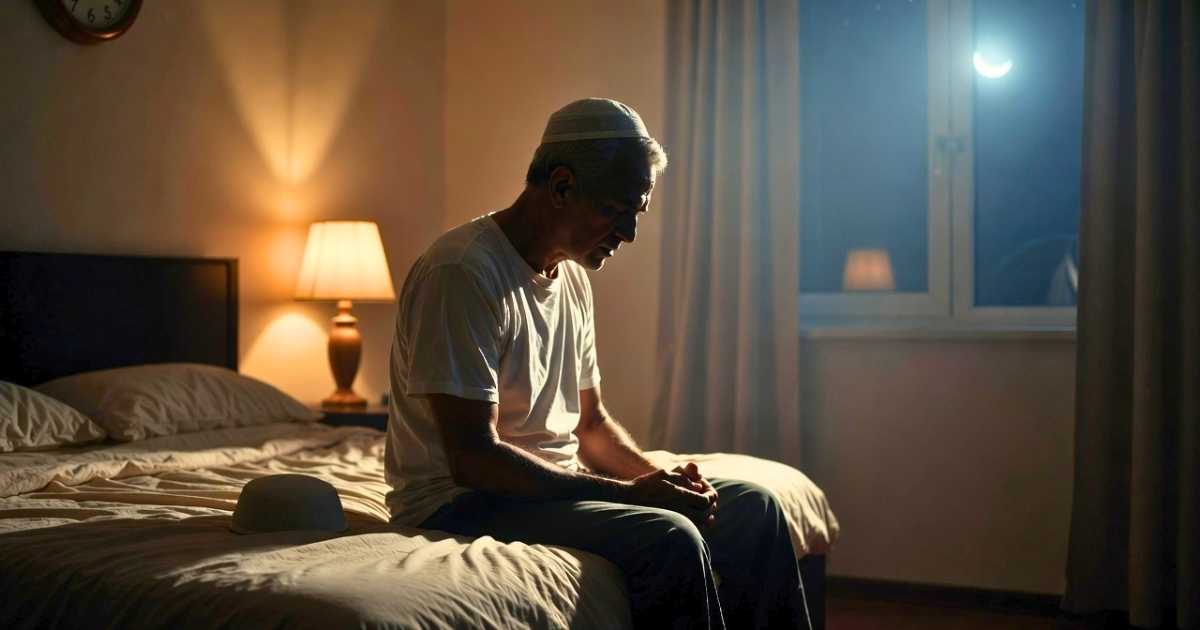
HYDERABAD: Changes in sleep patterns during the holy month of Ramzan may have a direct impact on respiratory health, particularly among individuals suffering from asthma, chronic obstructive pulmonary disease and other breathing disorders, according to senior pulmonologist Dr Mohd Vaseem. He stated that altered sleep schedules, reduced rest hours and late-night activities can influence lung function and trigger symptoms in vulnerable patients.
During Ramzan, daily routines undergo significant adjustments. Many individuals sleep late after Iftar and Taraweeh prayers and wake up early for Sehri, resulting in fragmented sleep. Dr Mohd Vaseem explained that insufficient or disturbed sleep affects the body’s immune response and increases airway sensitivity, which may aggravate respiratory conditions. Night-time is already a period when lung function naturally declines in asthma patients, and irregular sleep can further intensify this effect.
How irregular sleep patterns during Ramzan can worsen respiratory symptoms?
Dr Mohd Vaseem noted that asthma symptoms often follow a circadian rhythm, with many patients experiencing worsening cough, wheezing or breathlessness during the late night or early morning hours. When sleep becomes fragmented, the body does not achieve adequate restorative rest. This lack of proper sleep may increase airway inflammation and make the lungs more reactive to triggers such as dust, smoke or allergens.
He added that fatigue resulting from reduced sleep can also weaken respiratory muscles. Individuals who stay awake for extended hours and consume heavy meals late at night may experience acid reflux, which can irritate the airways and worsen coughing. Overeating during Iftar followed by immediate sleep may further increase the risk of breathing discomfort.
Dr Mohd Vaseem advised that maintaining a structured sleep routine during Ramzan is essential, especially for patients with chronic lung diseases. He recommended allocating sufficient uninterrupted sleep time after Taraweeh prayers and considering short daytime rest periods if night sleep is reduced. Ensuring a calm and well-ventilated sleeping environment can also support better respiratory comfort.
Exposure to smoke from cooking, incense or crowded gatherings late in the evening may trigger allergic reactions or bronchospasm. Patients were advised to minimise exposure to such irritants and avoid sleeping in poorly ventilated rooms. Using prescribed preventive inhalers at the recommended times can help stabilise lung function throughout the night.
Dr Mohd Vaseem also emphasised the importance of hydration between Iftar and Sehri, as adequate fluid intake helps maintain airway moisture and reduces irritation. Dehydration combined with sleep deprivation may worsen fatigue and breathing discomfort. Balanced meals and avoidance of excessive caffeine at night can further improve sleep quality.
Patients who notice increased night-time coughing, frequent awakenings due to breathlessness or persistent chest tightness should seek medical consultation. Such symptoms may indicate poorly controlled asthma or the need for medication adjustment. Early evaluation can prevent complications during the fasting period.
He reiterated that while Ramzan is a time of spiritual reflection and devotion, individuals with respiratory conditions must prioritise their health. With disciplined sleep habits, proper medication adherence and timely medical advice, most patients can observe fasting without significant disruption to their lung health.
Dr Mohd Vaseem concluded that awareness about the link between sleep and respiratory function remains crucial during Ramzan. Maintaining a balanced routine, adequate rest and environmental precautions can help individuals protect their lungs while fulfilling their spiritual commitments.
(Dr Mohd Vaseem is a Chest Physician (Pulmonologist), Sleep Specialist, Diabetologist & General Physician with High Care Hospitals, Attapur, Near Pillar No 102)