Ramadan men grooming drove Hyderabad’s seasonal personal care surge

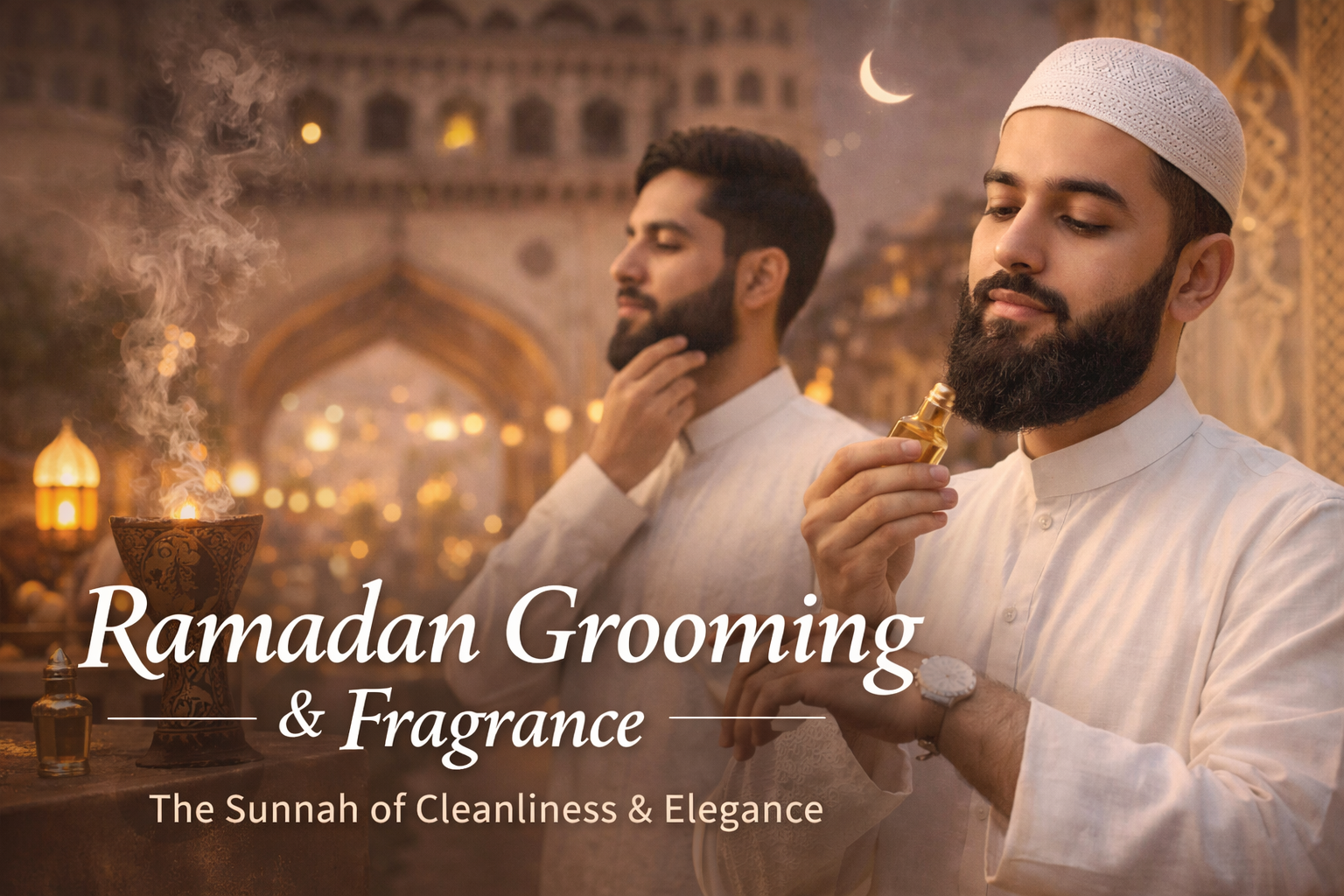
Hyderabad: Ramadan men grooming drove a sharp seasonal rise in perfume, beard care and skincare demand in Hyderabad during the holy month, as religious practice, higher spending power and late-night retail activity combined to reshape male personal care habits.
The shift extended beyond ritual preparation. It reflected a wider social and commercial change in Hyderabad. The city’s Ganga-Jamuni culture and Asaf Jahi traditions had long linked refinement with identity. During Ramadan, Muslim men observed fasts and focused on hygiene, beard upkeep and attar use in line with Prophetic practice.
Recent data for 2024 and 2025 showed a clear seasonal spike in the men’s grooming segment. Rising aesthetic awareness among youth drove this growth. At the same time, Telangana’s economic rise supported higher spending. Global fashion trends also blended with local customs. As a result, beard styling, perfumes and skincare evolved into a lifestyle category.
Ramadan men grooming gained from Telangana’s income growth
The rise of Ramadan men grooming in Hyderabad tracked Telangana’s economic expansion. The state emerged as a strong economic centre after bifurcation. Its Gross State Domestic Product grew by 224.38 percent between 2014-15 and 2024-25.
Higher income levels boosted purchasing power. Per capita income rose from ₹1,24,104 to ₹3,87,623 in the same period. This figure ranked among the highest in India. As basic needs were met, spending shifted to personal care and premium goods.
Inflation remained moderate. Telangana recorded 3.7 percent inflation, below the national average. Therefore, consumers had more room to spend. This supported seasonal demand linked to Ramadan and Eid. Thus, Ramadan men grooming reflected both culture and economic strength.
Perfume remained central to this trend. Attar carried religious and cultural value in Hyderabad. During Ramadan, men used fragrance as part of Sunnah practice. It added a sense of purity to homes and mosques.
Trade surged in Old City markets. Areas like Charminar, Pathergatti, Mozamjahi Market and Mallepally saw peak sales during the month.
Ramadan men grooming strengthened Hyderabad’s attar trade
Hyderabad’s perfume tradition dates back to the Asaf Jahi rulers. They supported the craft of perfumery. Guests in the Nizam’s court received fragrance and flower garlands. This custom still continues in heritage hotels like Taj Falaknuma Palace.
Sandalwood oil served as the base in earlier times. Artisans infused it with floral extracts. Historical records noted that Mahbub Ali Pasha favoured perfumes. A blend called “Nizam Darbar” combined twelve flowers for royal use.
Seasonal factors shaped choices. Ramadan often fell in summer months. Therefore, men preferred cooling and fresh scents. Traders classified fragrances as warm or cool. This influenced buying patterns.
Demand for bakhoor also increased. People used it in homes and mosques for a calming effect. Prices ranged from ₹100 to ₹25,000 per 10 ml, based on quality and rarity.
Ramadan men grooming lifted beard care demand
Beard grooming formed a key part of Ramadan men grooming. In Hyderabad, beards carried religious meaning. However, recent trends added a modern style element.
By 2024 and 2025, global styles appeared in local markets. Men focused on trimming and maintenance. Grooming and health became priorities.
Young men used beard products to maintain texture and shine. Smart tools also gained traction. AI-based trimmers adjusted to skin sensitivity.
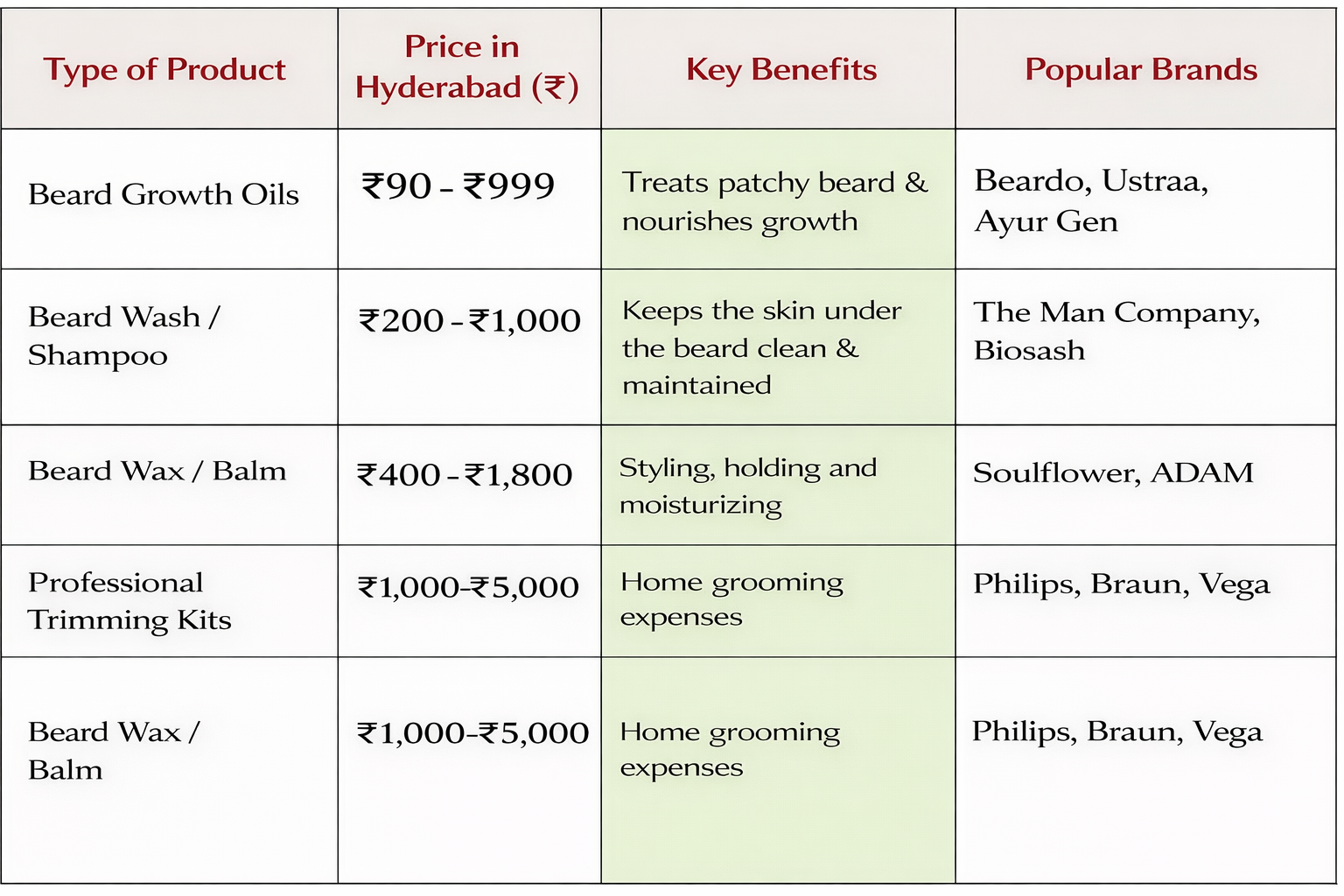
Beard oil sales rose sharply. The source recorded up to a 40 percent increase during Ramadan. Many men aimed for fuller beards before Eid. Salons reported higher demand for beard fade and short boxed styles. Natural looks gained popularity as they required less effort.
After iftar, footfall increased in salons. Many young men opted for grooming sessions in the evening.
Ramadan men grooming expanded skincare routines
Skincare demand also grew during Ramadan men grooming. Fasting often led to dehydration. This affected skin health directly.
Hyderabad’s hot climate made hydration difficult. Sleep changes added to skin concerns. Dark circles and dullness became common issues.
Men responded with targeted products. Many used BB creams and concealers without hesitation. Skincare became the largest segment in grooming.
Consumers shifted from soap to face wash and moisturiser. Demand rose for hydrating serums with vitamin C and hyaluronic acid. Sunscreen use also increased due to strong sunlight.
Beard serums protected skin under facial hair. Anti-pollution products helped guard against dust and traffic exposure. At the same time, demand grew for natural ingredients like neem, sandalwood and rosemary.
Government policy supported this commercial surge. Telangana allowed shops to operate round the clock in March 2025. This step boosted Ramadan shopping activity.
Minority Affairs Minister Mohammed Azharuddin later reviewed preparations. He issued similar directions for the current season. These measures strengthened late-night markets.
The long-term outlook remained strong. India’s men’s grooming market may reach $25.8 billion by 2030. Gen Z and millennials continue to drive this growth.
Future trends include tech integration. Skin tracking apps and wearable devices may guide users. Demand for sustainable and vegan products is also rising. Gender-neutral skincare is gaining acceptance. DIY grooming kits are becoming more advanced.
Ramadan men grooming in Hyderabad now reflects a deeper shift. It connects faith, economy and modern lifestyle. Ahead of Eid, grooming practices highlight this evolving identity.