
Haleem and Hyderabad: how a seasonal dish became a cultural symbol

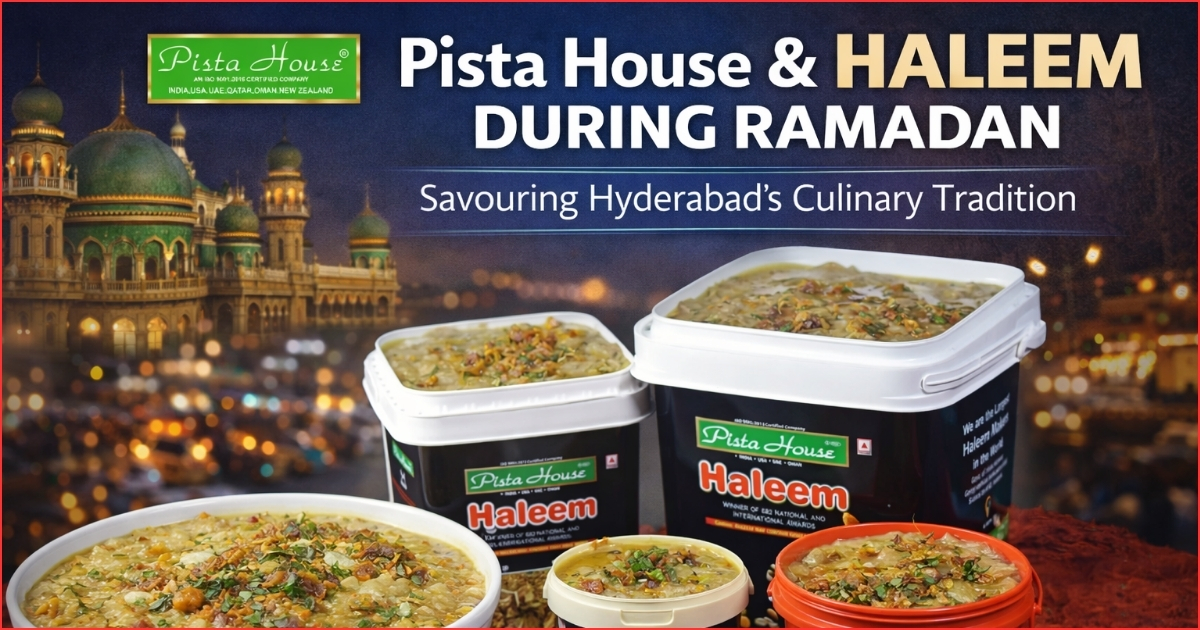
Hyderabad: Pista House Haleem emerged as a defining feature of Ramadan evenings in the city, transforming a slow-cooked seasonal dish into a widely shared cultural ritual.
In Hyderabad, food carried memory and social meaning. However, Haleem held a special place during Ramadan. Families gathered at sunset to break their fast. During these evenings, Haleem became both nourishment and symbol. Over time, Pista House Haleem shaped how the dish was prepared, served and remembered across the city.
Haleem traced its presence in Hyderabad to centuries-old culinary exchanges. Arab, Persian and Deccan influences shaped its method and flavour. Cooks prepared it in large deghs over several hours. They relied on patience and close attention to texture. As a result, the dish required skill and discipline. For many households, Haleem marked the rhythm of Ramadan nights and community gatherings.
Pista House Haleem standardised Ramadan flavour
Pista House entered the market when Haleem largely remained within homes and a few traditional outlets. The brand did not reinvent the recipe. Instead, it focused on consistency and scale. It prepared Pista House Haleem in large deghs while retaining traditional techniques. This approach ensured uniform taste across batches.
As Ramadan nights grew busier with traffic and shopping, demand for ready-made Haleem increased. Consequently, Pista House expanded seasonal production. Even then, it maintained flavour and texture standards. Customers began linking their annual Ramadan routine with Pista House Haleem. Therefore, trust grew with each season.
Long queues formed outside outlets during peak evenings. People discussed the start of Haleem season across neighbourhoods. They compared spice levels and texture. For visitors, tasting Pista House Haleem became a recommended experience. Local residents often guided newcomers toward the brand during Ramadan.

Pista House Haleem connects diaspora and tradition
The cultural reach of Pista House extended beyond Hyderabad. As migration increased, nostalgia for Ramadan evenings intensified among expatriates. In response, the brand offered Haleem in international locations. This move allowed Hyderabadis abroad to recreate familiar moments. Thus, the dish bridged distance through taste.
Despite rising popularity, Haleem retained its seasonal identity. Unlike many dishes that shift to year-round menus, it stayed tied to Ramadan. This decision preserved its ritual value. Pista House Haleem remained associated with a specific time and context. Therefore, the dish avoided becoming routine commercial fare.
Today, conversations about Hyderabad’s identity often include Haleem. Travel writing and cultural discussions reference it regularly. Families continue to pass down stories linked to Ramadan evenings. Through consistent preparation and seasonal focus, Pista House helped sustain a living culinary tradition in the city.