

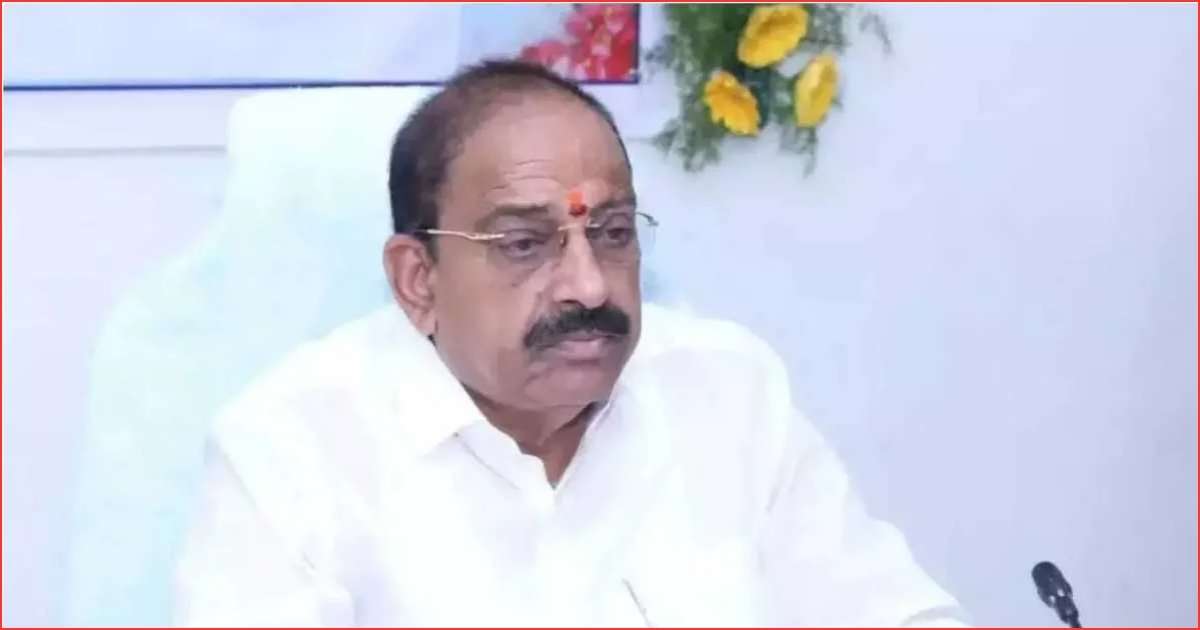
Hyderabad: No urea shortage Telangana was reported during the ongoing Rabi season, Agriculture Minister Tummala Nageswara Rao told the Legislative Council on Wednesday. He said the government ensured seamless fertilizer availability for farmers.
Replying during Question Hour, the Minister said urea consumption increased this season. Farmers purchased 10.73 lakh metric tonnes as of March 18, compared to 10.24 lakh metric tonnes during the previous Rabi. This rise, he said, reflected improved access and demand.
He highlighted the introduction of the Urea App to streamline distribution. The system allows farmers to book fertilizer in advance from nearby dealers. As a result, it eliminates long queues and improves convenience. He added that Telangana is the only state to implement such a system.
No urea shortage Telangana despite past disruptions
Responding to a query by MLC Takkellapalli Ravinder Rao, Tummala acknowledged supply disruptions between April and June last year. He attributed these issues to global factors and production problems at Ramagundam and Nagarjuna Fertilizers.
However, he said the state secured additional supplies by pressing the Centre. This step followed directions from Chief Minister A Revanth Reddy. Consequently, the government supplied 15,000 tonnes more fertilizer during Kharif and 30,000 tonnes more than the previous Yasangi season.
No urea shortage Telangana backed by digital systems
The Minister said the government also rolled out a pilot Fertilizer Booking App. This system allows farmers to reserve stocks for 24 hours after booking.
So far, 20.74 lakh farmers have purchased 88.35 lakh bags through the app. These include tenant farmers and those under the NDS category. Therefore, the initiative expanded access across different farming groups.
Despite opposition criticism, Tummala said farmers widely accepted the system. He added that officials are conducting awareness campaigns to discourage excessive use of urea.
The Minister reiterated that no urea shortage Telangana conditions prevailed, as the government strengthened supply, monitoring and farmer access mechanisms.