

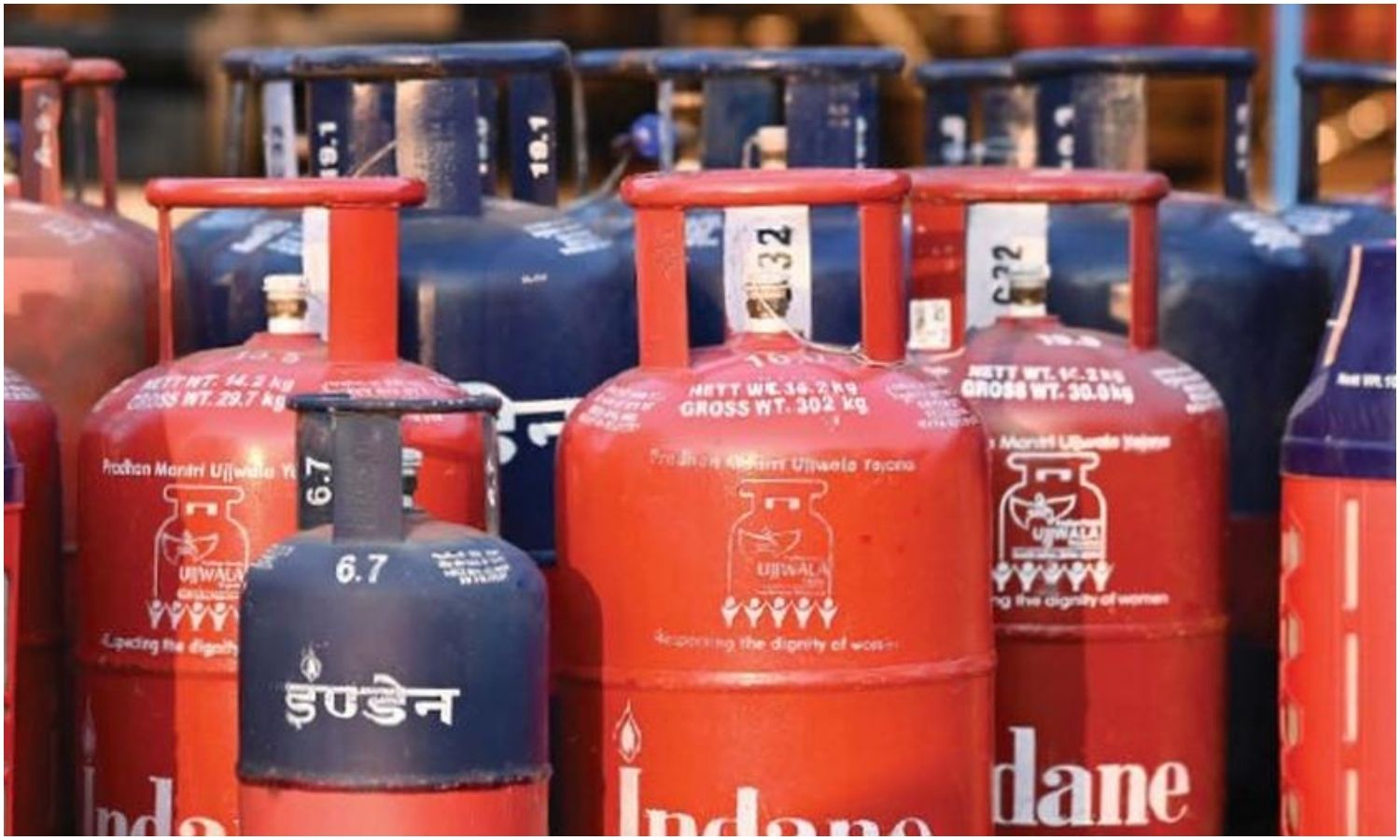
Hyderabad: Fears of an LPG shortage have surfaced in several Indian cities as the food and beverage industry reports difficulty in securing commercial gas cylinders.
Hotel associations in Bengaluru, Chennai and Mumbai warned that limited commercial LPG supply could disrupt restaurant operations.
In Bengaluru, hotels briefly considered suspending operations after reports of supply disruption. However, the city’s hotel association later clarified that establishments would continue operations until they exhausted their existing gas stocks.
In a notice issued on March 9, the Bangalore Hotels Association said commercial gas supply had suddenly stopped, creating concern across the sector.
“The supply of gas cylinders for commercial use has stopped from today. The hotel industry will face difficulties until gas supply returns to normal,” the association said.
Later in the evening, the association clarified that hotels would not shut down immediately. Instead, restaurants will continue operating until they use the available gas supply.
However, some establishments without storage facilities may still close temporarily if suppliers fail to deliver fresh cylinders in time.
LPG shortage concerns grow across cities
Meanwhile, the situation appears more serious in Chennai. Commercial LPG distributors have stopped supplying cylinders after running out of stock.
As a result, several restaurants in Chennai have temporarily shut their kitchens.
In contrast, the situation remains relatively stable in Hyderabad.
Dealers say Hyderabad currently faces no immediate LPG shortage for either domestic or commercial cylinders. However, rising bookings have slowed delivery schedules.
“The Israel–Iran war has created fear about fuel shortages. Many people are rushing to book cylinders. This sudden demand has delayed supply,” an HP Gas dealer said.
Officials say panic bookings increased demand rather than an actual supply shortage.
Meanwhile, the Ministry of Petroleum and Natural Gas has introduced measures to manage LPG distribution.
The ministry directed oil refineries to increase LPG production. It also instructed them to allocate additional output primarily for household consumption.
Authorities also increased the booking gap for domestic cylinders from 21 days to 25 days. This step aims to prevent hoarding and black marketing.
Officials will prioritise imported LPG for essential sectors such as hospitals and educational institutions.
For other sectors, including hotels and restaurants, the government formed a committee comprising three executive directors from Oil Marketing Companies.
The committee will review requests from industries and decide on LPG allocation during the supply pressure.