

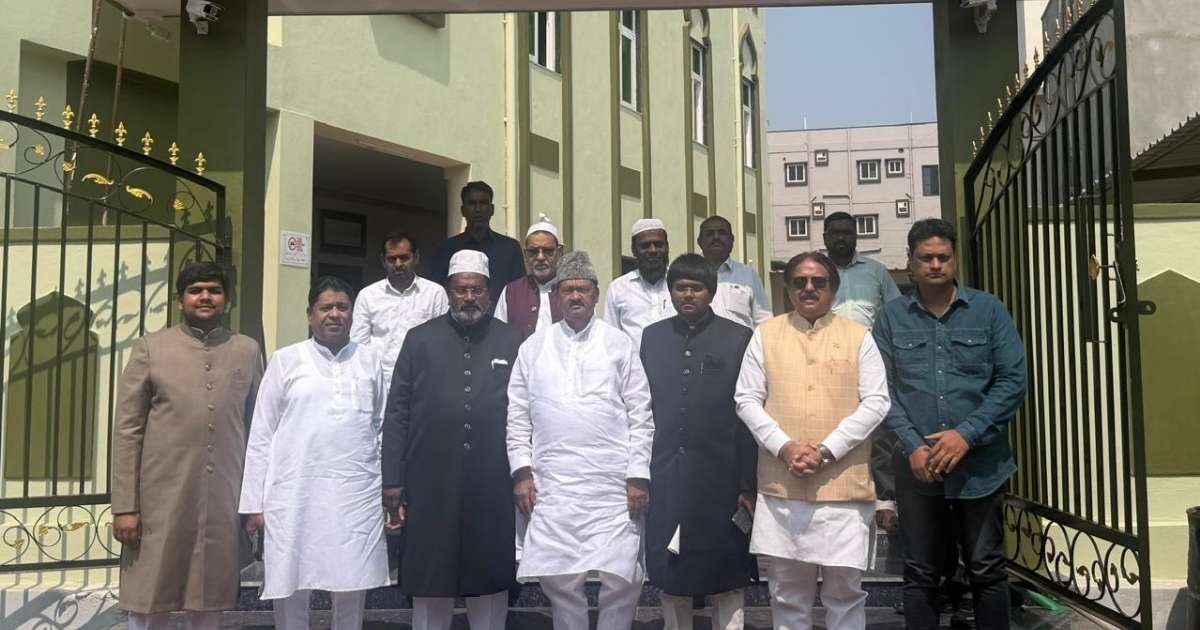
Hyderabad: Government Advisor Mohammed Ali Shabbir said minority community education remained the key to long-term social and economic progress, urging Muslims to prioritise learning and fully utilise welfare schemes.
He spoke on Tuesday after inaugurating Masjid-e-Aliya Jawad in Aswin Colony, Adarsh Nagar, Zaheerabad. Shabbir Ali said the construction of the mosque carried both spiritual and social value. He added that collective community effort ensured its completion and described it as a lasting contribution for future generations.
Referring to Islamic teachings, he said mosques served not only as places of prayer but also as centres of discipline and unity. He urged the community to keep them active through regular prayers and constructive engagement. He also called for greater participation during Ramzan and asked people to discharge zakat obligations sincerely.
Minority community education central to policy measures
Shabbir Ali devoted a major portion of his address to minority community education. He said the first command in the Quran emphasised learning and knowledge. However, he noted that the Muslim community had historically lagged behind in modern educational indicators.
He referred to past findings that highlighted educational backwardness. According to him, this concern led to focused policy interventions during his tenure in government.
Highlighting the 4% reservation for Muslims in education and employment, he described it as a transformative step. He said the policy opened access to professional courses for thousands of students in Telangana and Andhra Pradesh. It enabled economically weaker students to pursue medicine, engineering and management through fee reimbursement and institutional support.
He stated that over two decades, the reservation policy produced visible change in many households. Families that once lacked higher education now had children qualifying as doctors, engineers and other professionals. He said this shift improved their social and economic standing.
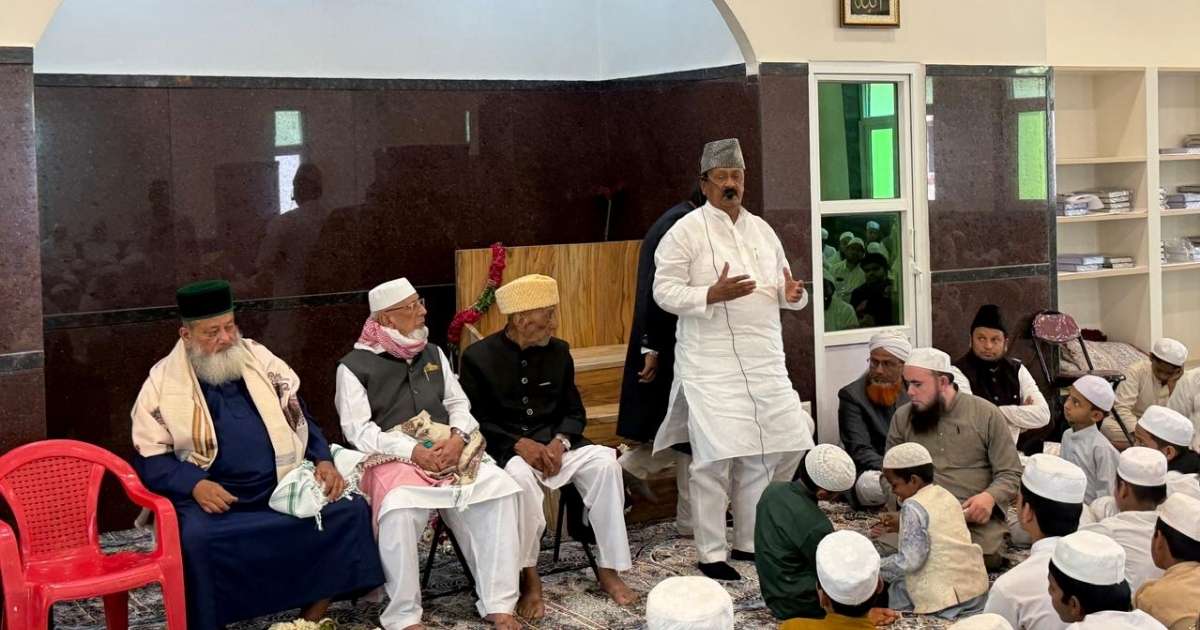
Minority community education linked to professional growth
Citing examples, he said several beneficiaries specialised in advanced medical fields, including neurology and super-speciality disciplines. He added that such outcomes demonstrated the long-term value of inclusive policy decisions. Sustained focus on minority community education would ensure representation in healthcare, law, science and administration, he said.
Shabbir Ali also referred to the expansion of medical and professional education in the State. He noted that increased seats in medical colleges and strengthened law colleges created new pathways for disadvantaged students. He urged eligible students to take full advantage of these opportunities.
Addressing madrasa management committees, he called for integrating modern education with religious instruction. Alongside Quranic studies, institutions should introduce computer education and English training. He said combining both streams would help students compete confidently.
He further stressed discipline and social harmony during religious programmes. Responsible conduct, he said, strengthened the community’s public image. On unity, he urged people to overcome internal divisions and participate actively in democratic processes.
Concluding his address, Shabbir Ali appealed to the gathering to use Ramzan for spiritual reflection and social outreach. He said charity, education and unity formed the pillars of sustainable progress. He thanked the mosque committee, religious scholars and local residents for completing the project.
Religious scholars and community leaders, including Moulana Mufti Dr Mohammed Saifullah, Meer Jawad Ali Guttedar and Masjid President Meer Jaweed Ali Guttedar, attended the event.