
Breathlessness after Iftar linked to overeating and reflux, says pulmonologist
Heavy meals and poor posture after Iftar may trigger breathing discomfort during Ramzan.

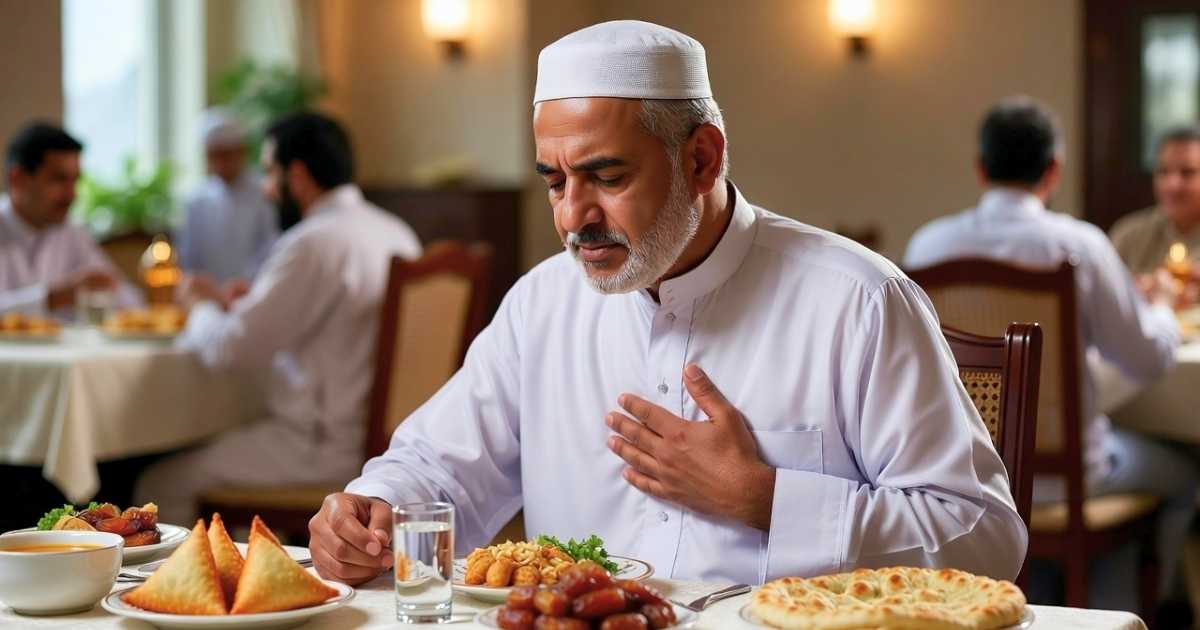
Hyderabad: Breathlessness after Iftar during Ramzan is often triggered by heavy and rapid food intake rather than fasting itself, senior pulmonologist Dr Mohd Vaseem said.
He stated that many people consume large quantities of fried and rich food immediately after breaking their fast. After several hours without food or water, this sudden intake expands the stomach. The expansion pushes upward against the diaphragm, the primary muscle involved in breathing. As a result, some individuals report chest tightness, difficulty in taking deep breaths or a feeling of heaviness.
Dr Mohd Vaseem said people with asthma, chronic obstructive pulmonary disease and obesity face higher risk. In such cases, even mild abdominal pressure can aggravate existing respiratory discomfort.
Why breathlessness after Iftar increases with heavy meals
Dr Mohd Vaseem explained that overeating, especially oily and spicy food, can also trigger acid reflux. When stomach acid moves into the food pipe, it irritates the airway. This irritation may cause coughing or wheezing, particularly at night.
He identified gastroesophageal reflux as a common but overlooked reason for breathlessness after Iftar. Patients with pre-existing asthma remain especially vulnerable because reflux can worsen airway inflammation and precipitate attacks.
He added that lying down immediately after Iftar increases the risk of reflux. Therefore, he advised people to remain upright for at least one to two hours after eating. Light walking during this period may support digestion and reduce abdominal pressure.
Dr Mohd Vaseem also cautioned against excessive intake of carbonated beverages at Iftar. Such drinks can cause bloating, which may intensify the sensation of breathlessness. Instead, he recommended gradual rehydration with water and fresh fluids. He advised eating balanced meals in moderate portions and splitting Iftar into smaller servings taken over time.
For patients with asthma or COPD, he stressed strict adherence to prescribed medication during Ramzan. Preventive inhalers should continue as advised. Rescue inhalers must be used promptly if symptoms develop. Ignoring early warning signs such as persistent cough, wheezing or chest discomfort can lead to complications.
Preventing breathlessness after Iftar during Ramzan
Dr Mohd Vaseem emphasised that sleep posture also affects night-time symptoms. Elevating the head slightly while sleeping can reduce reflux-related irritation. Maintaining adequate hydration between Iftar and Sehri further supports airway health.
He advised individuals who experience repeated severe breathlessness, dizziness or chest pain after meals to seek medical evaluation. Doctors may then rule out underlying cardiac or serious respiratory conditions and adjust dietary or treatment plans accordingly.
Dr Mohd Vaseem, Chest Physician, Sleep Specialist, Diabetologist and General Physician at High Care Hospitals, Attapur near Pillar No. 102, said breathlessness after Iftar remains largely preventable. He stated that moderation in food intake, proper posture and timely medical care can protect respiratory health during Ramzan.